
Key Highlights
- Your Party members express support for the Speaker's stance on Hamas.
- The Speaker emphasizes the need for nuanced dialogue over condemnation.
- Critics argue that Hamas's actions warrant condemnation and raise concerns about civilian impacts.
In a surprising and divisive decision, members of Your Party have rallied behind the Speaker's refusal to condemn Hamas following the recent escalation of violence in the Middle East. During a press conference, the Speaker stated that condemning Hamas would not contribute to a meaningful dialogue and emphasized the need for a nuanced understanding of the complex situation. This statement has sparked significant discussion within political circles.
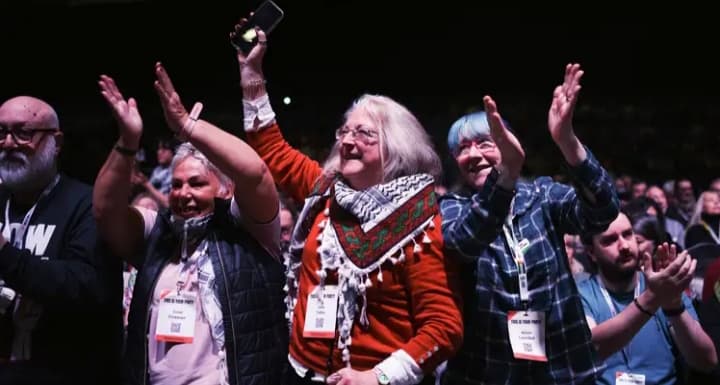
Party members applauded the Speaker’s stance, arguing that it reflects a commitment to acknowledging the grievances that have fueled ongoing conflicts in the region. Supporters claim that such an approach advocates for peace and demonstrates an understanding of varying perspectives, rather than a unilateral condemnation that could hinder reconciliation efforts. This perspective aligns with a growing sentiment among some political factions that prioritize dialogue over condemnation in conflict resolution.
However, the Speaker’s remarks have ignited backlash from critics, including opposition leaders and human rights advocates who argue that Hamas's actions cannot be overlooked. Critics accuse the Speaker of failing to recognize the impact of violence on civilians and the broader implications of supporting a group labeled as a terrorist organization by many governments, including the United States. This criticism highlights the tension between advocating for peace and acknowledging the realities of violence in the region.
The reactions have been polarized, with some constituents expressing concern over the implications for national and international policies on conflict resolution. This development has opened a rift within the party itself, revealing differing opinions on how to address foreign policy and support for Israel and Palestine. The internal debate reflects a broader struggle within political parties to navigate complex international issues while maintaining party unity.
As the debate continues, Your Party is facing increasing pressure to clarify its position on the conflict and to articulate a coherent strategy that addresses the multifaceted issues at play. The Speaker's refusal to condemn Hamas may reflect a broader shift in political dynamics, paving the way for continued discussions on how best to approach Middle Eastern relations in a time of heightened tensions. The outcome of this debate could significantly influence the party's future direction and its stance on international relations.
Published by Banx Network. This article is part of the Banx decentralized media programme, powered by the BXE token on the XRP Ledger.



