

Key Highlights
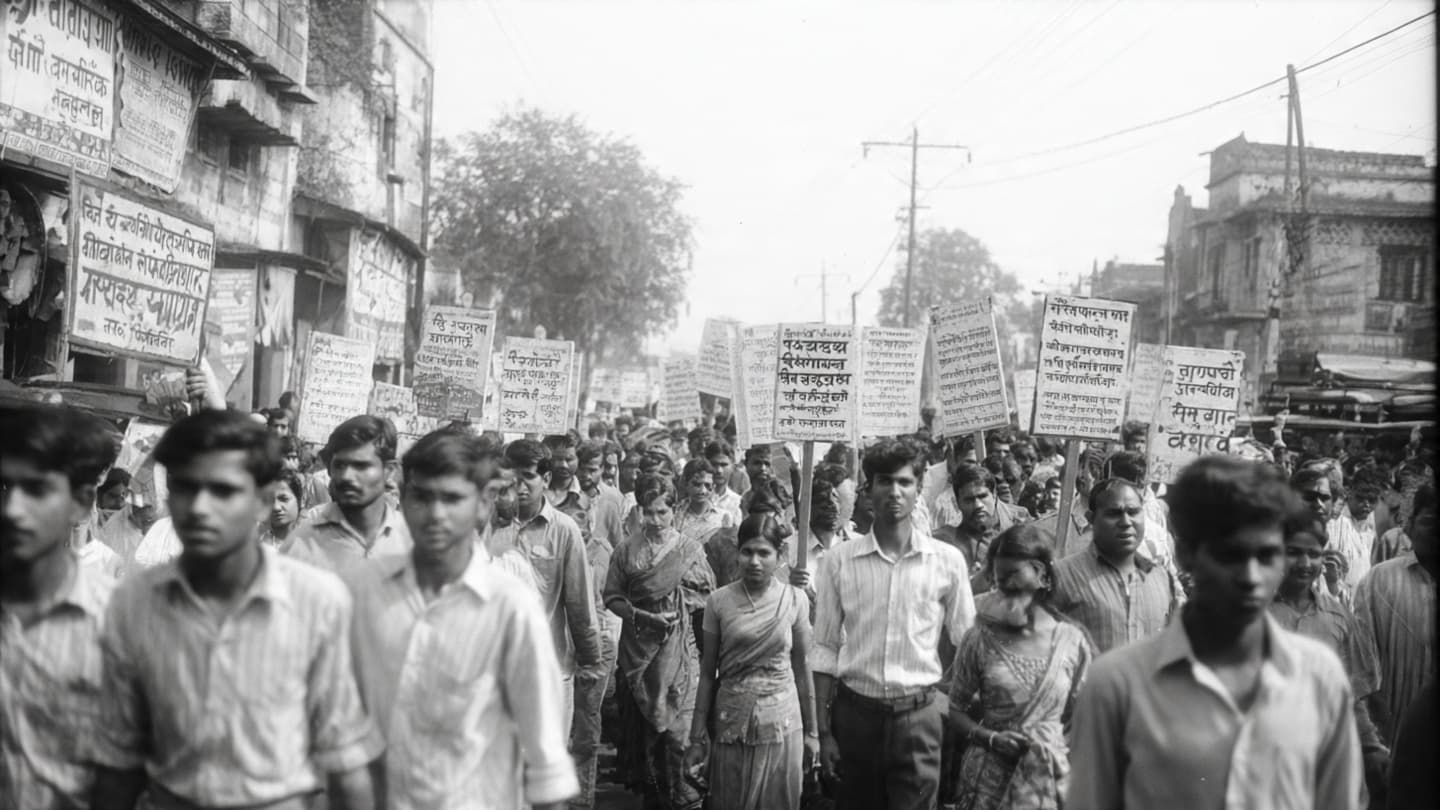
- Protests:Youth-led demonstrations in India focus on education system issues.
- Concerns:Students demand transparency and fairness in national examinations.
- Engagement:Creative methods used to attract public attention and dialogue.
The education system in India, often likened to a ladder of opportunity, has recently faced scrutiny as youth-led protests have emerged, spotlighting significant concerns regarding fairness and transparency in national examinations. These demonstrations have gained momentum in response to a series of controversies surrounding the administration of national tests, raising questions about accountability and integrity within the educational framework.
The protests began after students expressed frustration over alleged irregularities in examination processes. Reports of mismanagement and lack of transparency have fueled public outcry, prompting students and advocacy groups to organize rallies and online campaigns. The urgency of their message has resonated widely, as millions of students rely on these examinations for university admissions and future employment opportunities.
What sets these protests apart is the innovative approach taken by many participants. Instead of traditional protest methods, students have employed satire, visual arts, and social media to convey their messages. This creative engagement has not only captured national attention but has also fostered a broader dialogue about the challenges facing the education system in India.
India's education system is one of the largest in the world, serving a vast student population. Each year, millions compete for limited spots in universities and professional programs, making the integrity of examination processes crucial. Students argue that without transparency and fairness, public trust in these systems erodes, potentially jeopardizing their futures.
In response to the protests, government officials have acknowledged the concerns raised by students and the public. They have emphasized ongoing investigations into reported issues and highlighted reforms aimed at enhancing the integrity of examinations. However, many students remain skeptical, calling for more robust oversight and clearer communication from educational authorities.
Education experts note that the challenges facing large-scale testing systems are multifaceted. As participation numbers rise, balancing accessibility, fairness, and security becomes increasingly complex. The current protests reflect not only immediate concerns but also broader societal discussions about opportunity and social mobility in India.
As the protests continue, they underscore the critical need for trust in educational institutions. The outcome of these demonstrations could lead to significant reforms, policy changes, and a renewed commitment to ensuring that every student has a fair chance at success. The conversation surrounding these issues is likely to persist, shaping the future of education in India for years to come.
Published by Banx Network. This article is part of the Banx decentralized media programme, powered by the BXE token on the XRP Ledger.




