
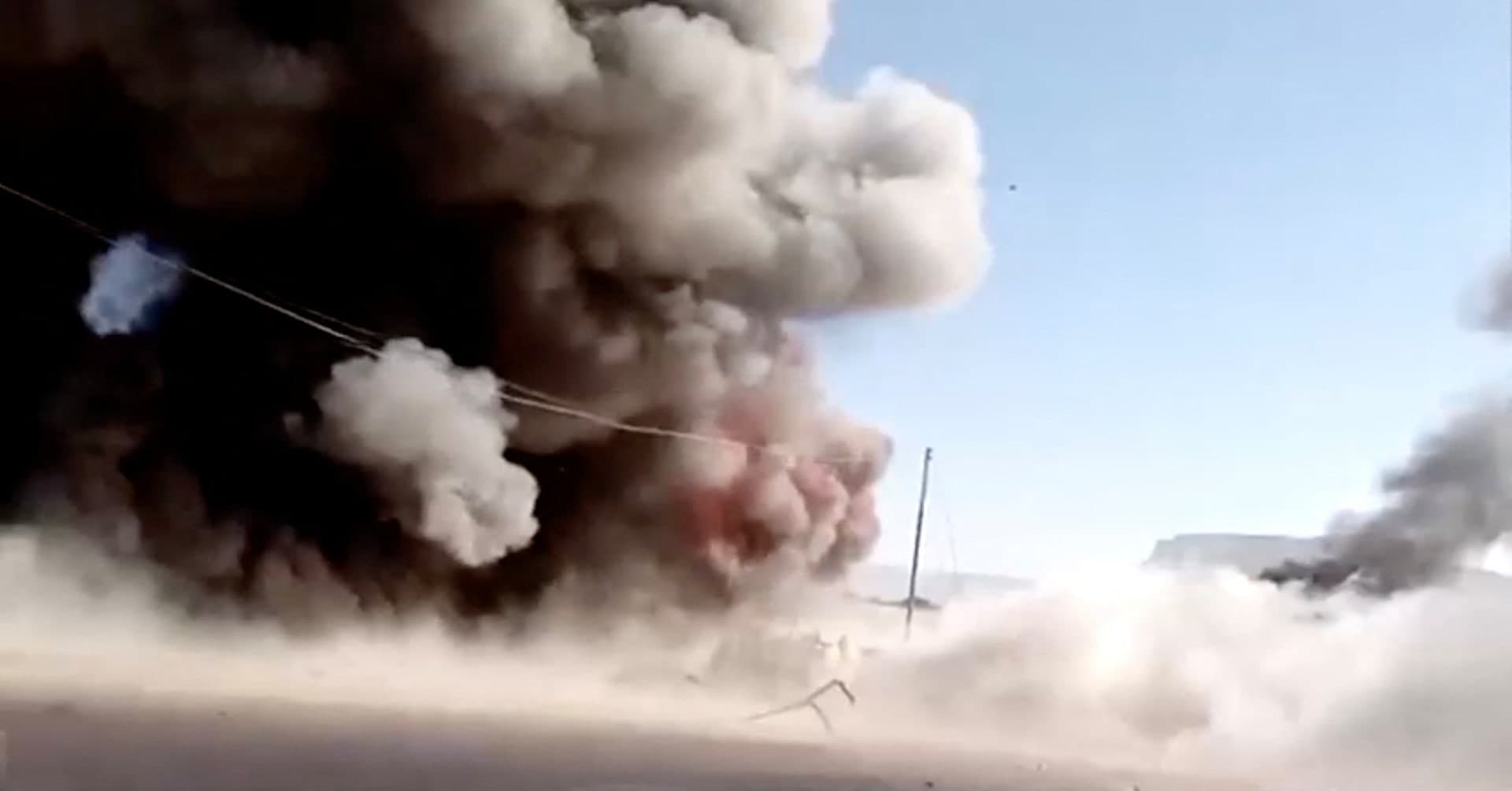
Key Highlights
- Southern separatists in Yemen are calling for a recognized path to independence.
- Recent clashes have intensified in key regions, raising concerns over stability.
- The international community fears that this push for independence could complicate peace efforts.
In the midst of escalating violence in Yemen, southern separatists have formally called for a recognized path toward independence, expressing their intent to establish a separate state. This declaration comes amid heightened clashes in key regions that are crucial for control over resources and territory. The separatist movement has gained momentum, as regional disputes over governance and territorial integrity have become increasingly pronounced.
The ongoing civil war has deeply fractured Yemen, with various factions competing for power. The southern separatists, primarily represented by the Southern Transitional Council (STC), argue that their claims for sovereignty are rooted in historical grievances and the desire for self-determination. They assert that the central government has failed to address their concerns adequately, leading to a growing sentiment for independence among the southern population.
Recent fighting has erupted in strategically important areas, including the port city of Aden, which has been a focal point of conflict. The STC's push for independence is seen as a response to perceived neglect by the Yemeni government, which they claim has not adequately represented the interests of southern Yemenis. This situation has led to increased tensions, with both sides accusing each other of exacerbating the conflict.
The international community has expressed concern over this renewed push for independence, fearing it could further complicate efforts to achieve peace and stability in Yemen. Humanitarian issues, already dire due to the ongoing conflict, are exacerbated by the fighting. Civilians caught in the crossfire face worsening conditions, with access to basic necessities becoming increasingly limited.
As the conflict continues, the response from both local and international actors will be crucial in determining the future of Yemen. The calls for independence from the south may reshape the dynamics of the civil war and challenge existing power structures within the country. Analysts are closely monitoring developments, as the potential for a fragmented Yemen looms larger in the backdrop of a prolonged crisis.
The situation remains fluid, and the coming weeks will be critical in assessing how the international community responds to the separatists' demands and the ongoing violence. The need for a comprehensive peace strategy that addresses the root causes of the conflict is more pressing than ever, as Yemen stands at a crossroads between further fragmentation and the hope for a unified future.
Published by Banx Network. This article is part of the Banx decentralized media programme, powered by the BXE token on the XRP Ledger.



