The rhythm of the school day is marked by the distinctive yellow of school buses, vehicles that carry the most precious cargo of any community: its children. On Vancouver Island, as elsewhere, these buses are a familiar sight, navigating residential streets and rural roads with a sense of purpose. However, the safety of this daily ritual depends entirely on the vigilance of other drivers. Recent reminders from authorities urge motorists to stay alert and strictly adhere to laws regarding school bus stops. This call to action is not just about compliance; it is a moral imperative to protect the vulnerable and ensure that every child returns home safely. It invites us to reflect on our shared responsibility for the well-being of the next generation.
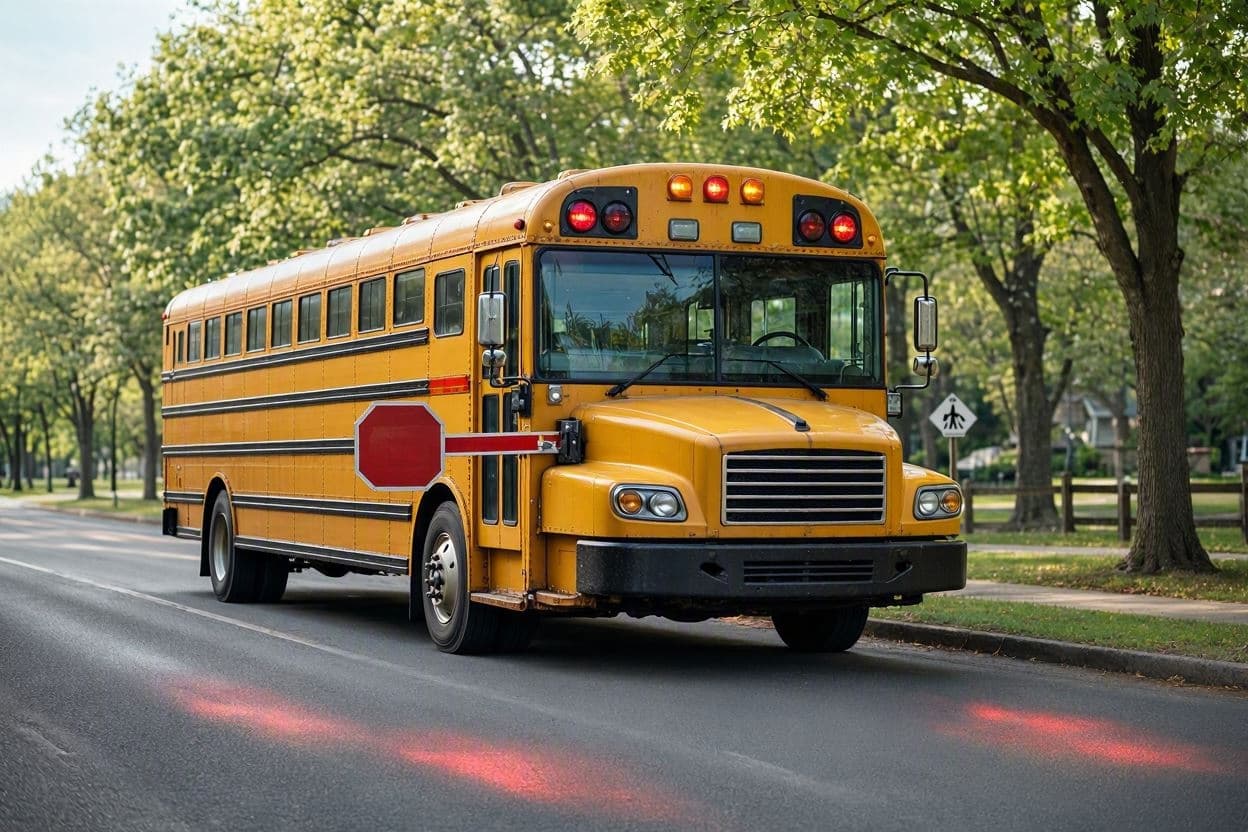
School bus safety laws are designed to create a protective buffer around students as they board and exit the vehicle. When a bus activates its flashing red lights and extends its stop arm, traffic in both directions must come to a complete halt. This rule applies regardless of the number of lanes or the speed limit, emphasizing the absolute priority of student safety. Despite these clear regulations, violations still occur, often due to distraction, impatience, or a lack of awareness. Each infraction poses a significant risk to children who may be crossing the road or stepping off the bus.
Authorities on Vancouver Island have launched campaigns to reinforce these rules, using social media, signage, and community outreach to educate drivers. The message is simple but critical: stop when the lights flash. Enforcement efforts include increased police presence in school zones and near bus routes, with penalties for violations serving as a deterrent. These measures aim to create a culture of caution, where drivers instinctively slow down and look out for young pedestrians.
The consequences of failing to yield can be devastating. Children are small and sometimes unpredictable, making them difficult to see in blind spots or poor lighting conditions. A momentary lapse in attention can lead to tragedy, leaving families and communities grieving. By following the rules, drivers contribute to a safer environment, reducing the likelihood of accidents and fostering a sense of security for parents and students alike.
Bus drivers also play a crucial role in maintaining safety. They are trained to monitor their surroundings and ensure that all vehicles have stopped before allowing students to disembark. However, they rely on the cooperation of other motorists to fulfill this duty effectively. Mutual respect between bus drivers and the public is essential for smooth and safe operations. Recognizing the challenges bus drivers face can encourage more empathetic and patient driving behavior.
Community involvement is key to sustaining this safety culture. Parents, teachers, and local leaders can model good behavior and educate younger drivers about the importance of school bus laws. Neighborhood watch programs and school councils often collaborate with police to identify hazardous areas and propose improvements. This collective effort strengthens the social fabric, demonstrating that safety is a shared value.
Seasonal changes, such as shorter days in winter or rainy weather, can further reduce visibility and increase risks. Drivers are urged to adjust their habits accordingly, allowing extra time and distance when approaching school buses. Being proactive rather than reactive helps prevent accidents before they happen. It is a small adjustment in behavior that can have a profound impact on public safety.
As the school year progresses, the reminder to stay alert remains relevant. Consistency in following the rules ensures that safety becomes second nature. Every driver has the power to make a difference, simply by paying attention and respecting the law. It is a gesture of care that protects the future of the community.
Drivers on Vancouver Island are urged to remain vigilant and obey school bus safety laws. It is a collective responsibility to protect children and ensure their safe passage. Let us drive with care and consideration.
AI Image Disclaimer: The visuals accompanying this piece are AI-generated interpretations intended for illustrative purposes only.
Sources: BC Ministry of Transportation and Infrastructure RCMP Vancouver Island District Local School Districts
Published by Banx Network. This article is part of the Banx decentralized media programme, powered by the BXE token on the XRP Ledger.