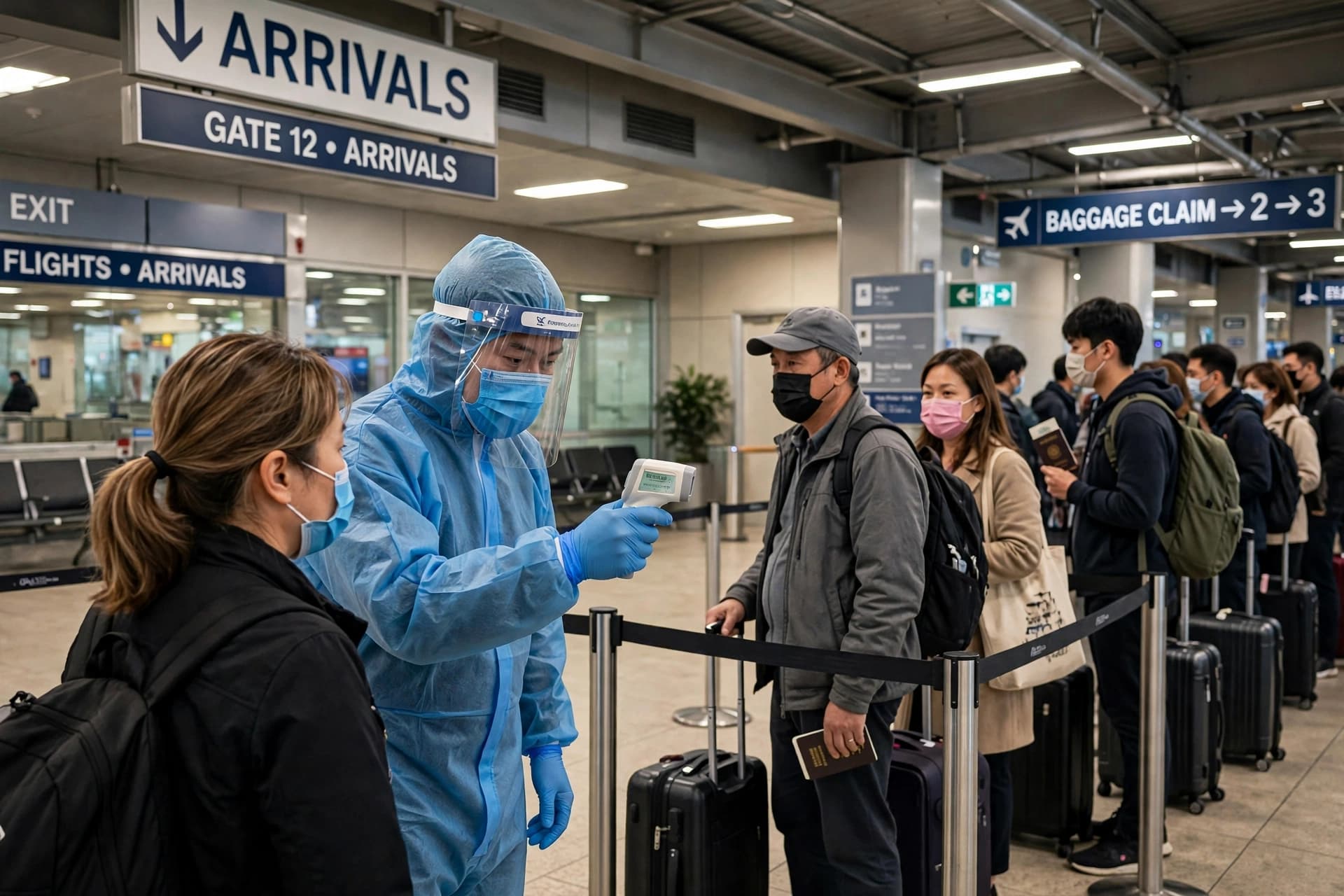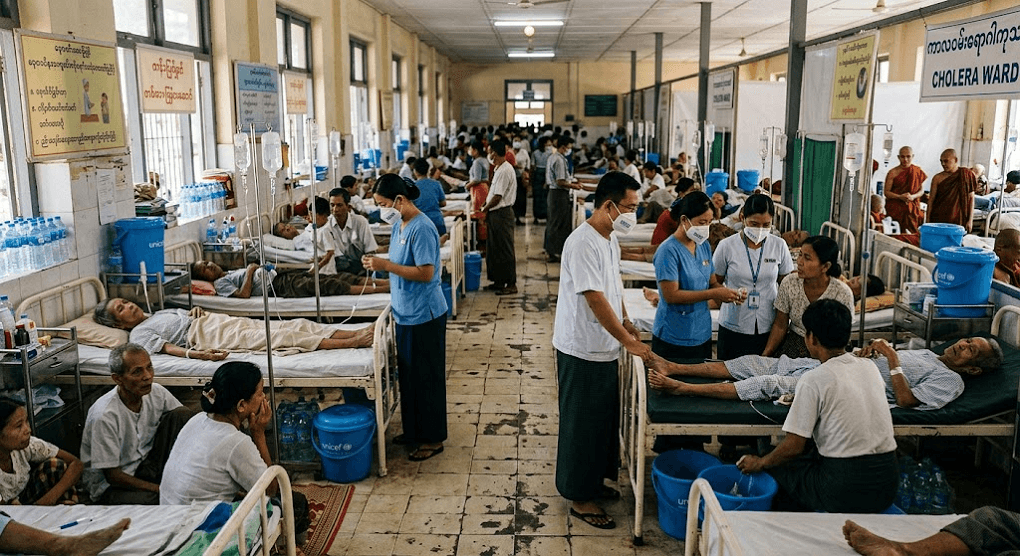
YANGON, Myanmar — Health authorities in Myanmar are scrambling to contain a growing health emergency as at least 500 people have been hospitalized with severe diarrhea and cholera symptoms across Yangon, the country’s largest city.
Regional health officials confirmed that hospital admissions spiked dramatically over the past week, with rapid diagnostic testing revealing nearly 150 positive cholera cases. Laboratory analysis by national health institutions has formally identified Vibrio cholerae bacteria in multiple patients, marking the region's first official confirmation of a cholera outbreak following days of rising admissions.
The outbreak hits as Myanmar’s medical infrastructure faces severe strain following prolonged political conflict and economic disruption. Local hospitals and emergency wards have seen daily influxes of patients suffering from acute dehydration and severe gastrointestinal distress.
Epidemiological teams and emergency medical crews have been deployed to high-risk townships across the region to set up containment protocols, monitor water supplies, and distribute rehydration therapies. Authorities are urging residents to boil drinking water, ensure thorough food sanitation, and seek immediate medical care at the earliest signs of severe illness.
To prevent further transmission, municipal crews have begun door-to-door water testing and sanitation efforts in densely populated informal settlements, where access to clean drinking water remains severely limited. Community health volunteers are distributing oral rehydration salts, water purification tablets, and educational flyers detailing proper hand washing techniques to slow the bacteria's rapid spread through contaminated water sources.
International health agencies and non-governmental organizations are working alongside local responders to airlift crucial medical supplies and intravenous fluids to overwhelmed clinical centers. Medical experts warn that without immediate investments in clean water infrastructure and emergency sanitation measures, the outbreak risks expanding into neighboring townships as the monsoon season continues to heighten flood risks across low-lying urban sectors.
As health officials rush to stabilize affected areas, residents are advised to stay vigilant and strictly adhere to public health guidelines. Community leaders continue to emphasize that immediate intervention and transparent reporting will be vital to containing the spread and preventing further strain on the region's healthcare system.
Published by Banx Network. This article is part of the Banx decentralized media programme, powered by the BXE token on the XRP Ledger.