.jpg&w=3840&q=75 "XRP Ledger Tokenized Assets Surge While Institutional Adoption Accelerates")
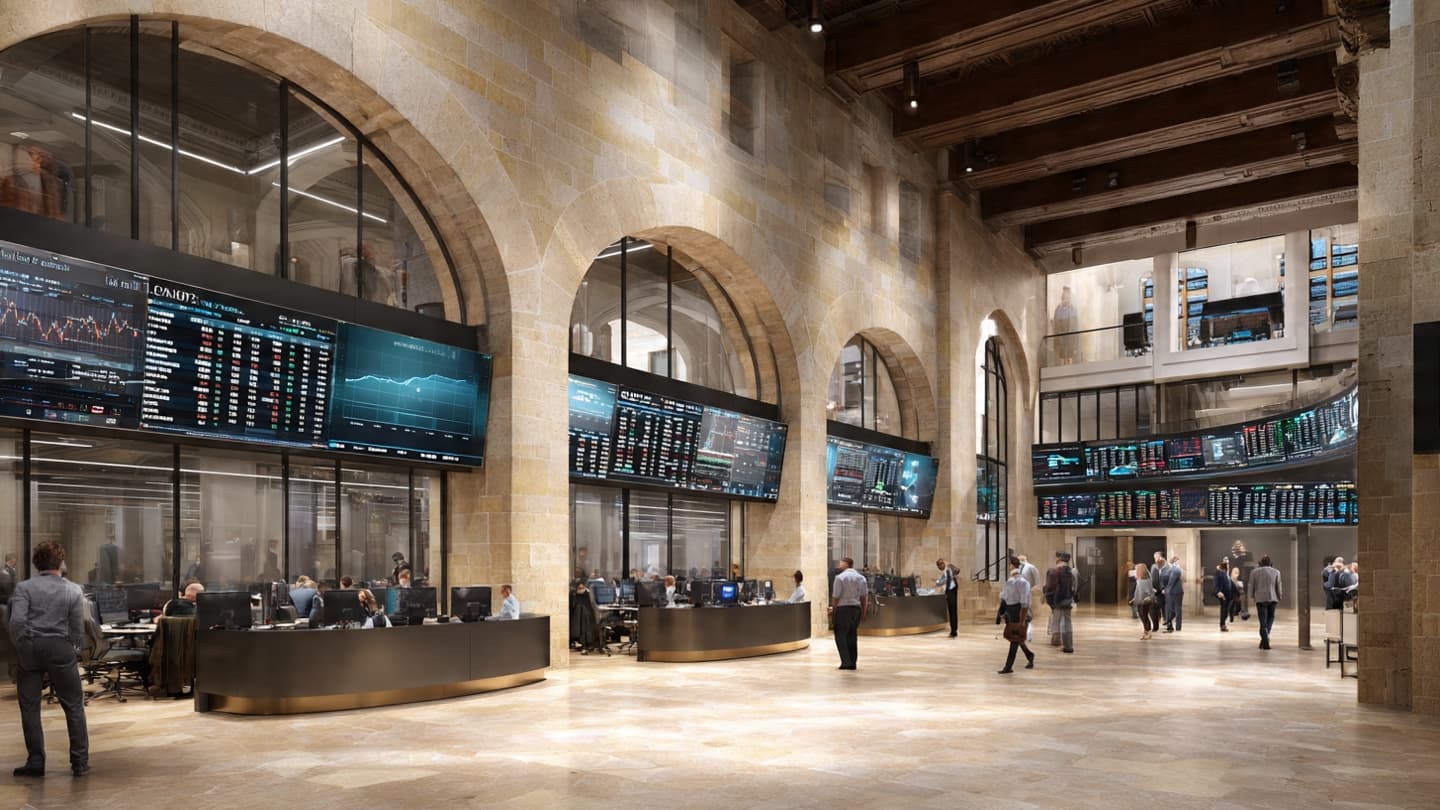
The XRP Ledger's tokenized real-world asset ecosystem has expanded dramatically, reflecting accelerating institutional interest in blockchain-based financial infrastructure. According to industry tracking data referenced online, tokenized assets on XRPL have grown from approximately $73 million in early 2025 to more than $4 billion during 2026. The increase illustrates how tokenization has become one of blockchain's fastest-growing sectors. Rather than focusing solely on cryptocurrencies, financial institutions are increasingly placing traditional assets such as government bonds, private credit, funds, commodities and other financial instruments onto blockchain networks. Unlike conventional financial systems that often involve multiple intermediaries, tokenization enables ownership records to settle digitally with greater transparency and potentially lower operational costs. Institutions can also automate compliance, transfers and reporting using programmable blockchain infrastructure. Although spot XRP ETFs have attracted significant investor attention, many analysts argue that tokenization represents an even larger long-term opportunity. ETFs primarily provide investment exposure, while tokenization has the potential to modernize the underlying infrastructure supporting global financial markets. Growth on the XRP Ledger has coincided with expanding institutional partnerships, improved regulatory clarity in several jurisdictions and increasing demand for blockchain networks capable of supporting enterprise-scale financial applications. Financial institutions continue evaluating blockchain platforms based on settlement speed, transaction efficiency, interoperability and compliance capabilities. The XRP Ledger's architecture has positioned it among several networks competing for institutional tokenization initiatives. Industry forecasts suggest that tokenized assets could eventually represent trillions of dollars globally if adoption continues across capital markets. Government securities, real estate, private equity and money market funds remain among the sectors expected to experience substantial blockchain integration over the coming decade. While adoption is still in its early stages, recent growth demonstrates that blockchain technology is evolving beyond digital currencies into infrastructure supporting broader financial markets. If institutional participation continues increasing, tokenization may become one of the defining developments of the digital asset industry.
Published by Banx Network. This article is part of the Banx decentralized media programme, powered by the BXE token on the XRP Ledger.