

Key Highlights
- XRP Healthcare is evolving its XRPH ecosystem into a comprehensive healthcare infrastructure.
- The initiative aims to integrate blockchain technology for improved patient engagement and payment solutions.
- Challenges remain in regulatory compliance and data privacy in healthcare.
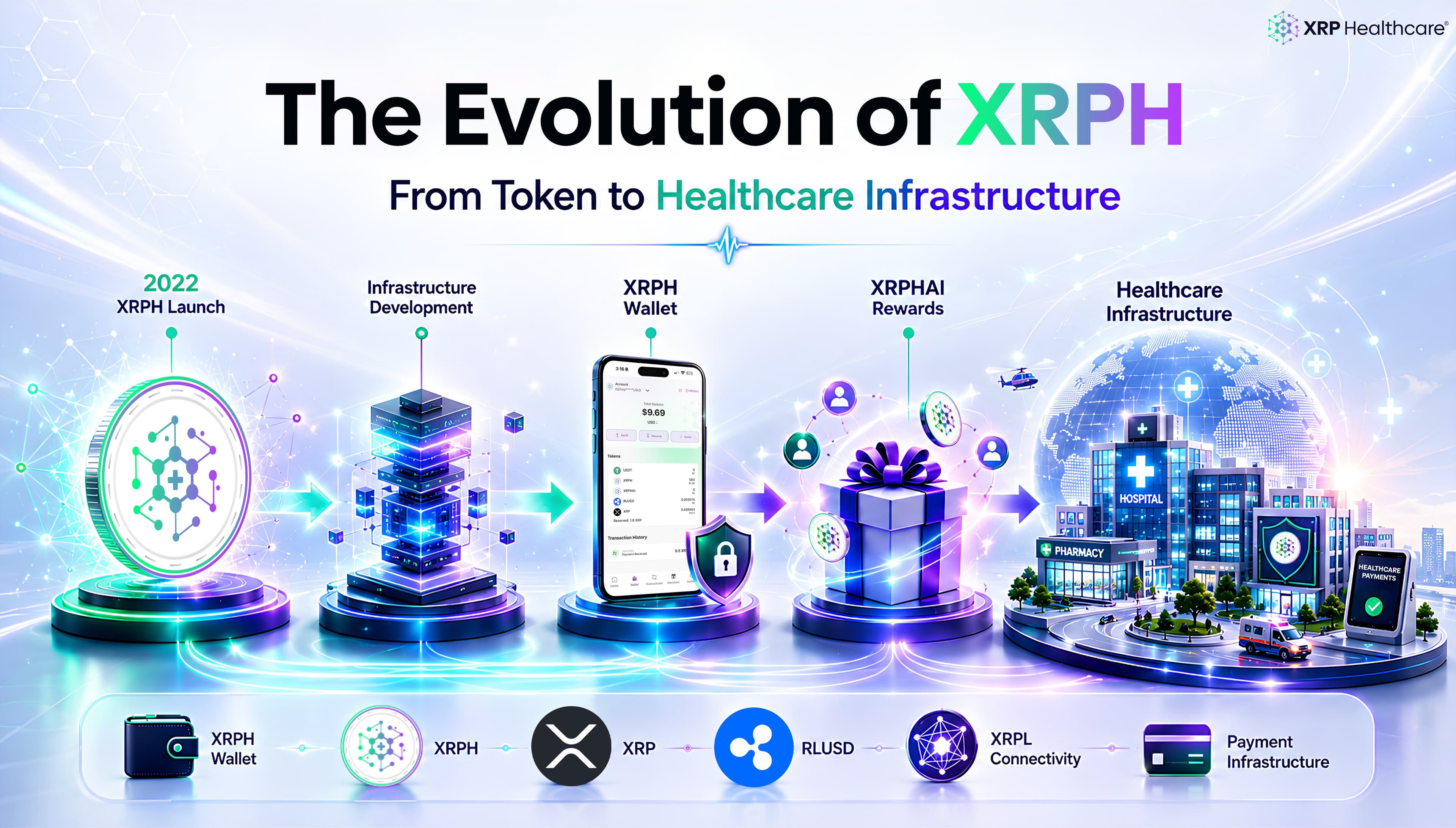
XRP Healthcare has announced a broader strategic vision that positions its XRPH ecosystem as healthcare infrastructure rather than simply a cryptocurrency token. This initiative aims to integrate blockchain technology into healthcare services by connecting digital wallets, payment systems, patient engagement tools, and healthcare providers through a unified platform. The project emphasizes that XRPH has evolved from an individual digital asset into a broader ecosystem designed to support real-world healthcare applications.
The roadmap for XRP Healthcare includes wallet connectivity, interoperability between different blockchain networks, healthcare rewards programs, and a payment infrastructure that could facilitate medical transactions more efficiently. One of the primary goals is to improve interoperability, a long-standing challenge within healthcare systems. Medical providers often rely on separate databases and software platforms that struggle to exchange patient information securely. Blockchain advocates argue that distributed ledger technology could enhance data integrity, permission management, and transparency while allowing patients greater control over their health records.
In addition to interoperability, the platform explores digital payment solutions for healthcare services. Blockchain-based settlements may reduce transaction costs, accelerate payments, and simplify international healthcare billing, particularly in regions with limited banking infrastructure. Smart contracts could automate insurance claims, provider reimbursements, and other administrative processes, streamlining operations within the healthcare sector.
Healthcare remains one of the largest industries exploring blockchain adoption beyond financial services. Numerous companies are researching decentralized identity, pharmaceutical supply chain tracking, medical record management, and secure patient authentication using distributed ledger technology. The potential for blockchain to revolutionize healthcare is significant, as it promises to enhance efficiency and security in various processes.
Despite the growing interest in blockchain technology within healthcare, significant regulatory, privacy, and technical challenges remain. Healthcare information is highly sensitive and subject to strict legal protections in many jurisdictions. Successful implementation of blockchain solutions requires compliance with data protection regulations while maintaining interoperability across existing healthcare systems. This balancing act is crucial for gaining the trust of both healthcare providers and patients.
For XRP Healthcare, expanding beyond token utility into infrastructure represents an effort to create long-term value through practical healthcare applications rather than speculation alone. Future adoption will depend on partnerships with healthcare providers, regulators, and technology companies, as well as the successful deployment of real-world services that demonstrate the efficacy of blockchain in improving healthcare delivery.
Published by Banx Network. This article is part of the Banx decentralized media programme, powered by the BXE token on the XRP Ledger.




