
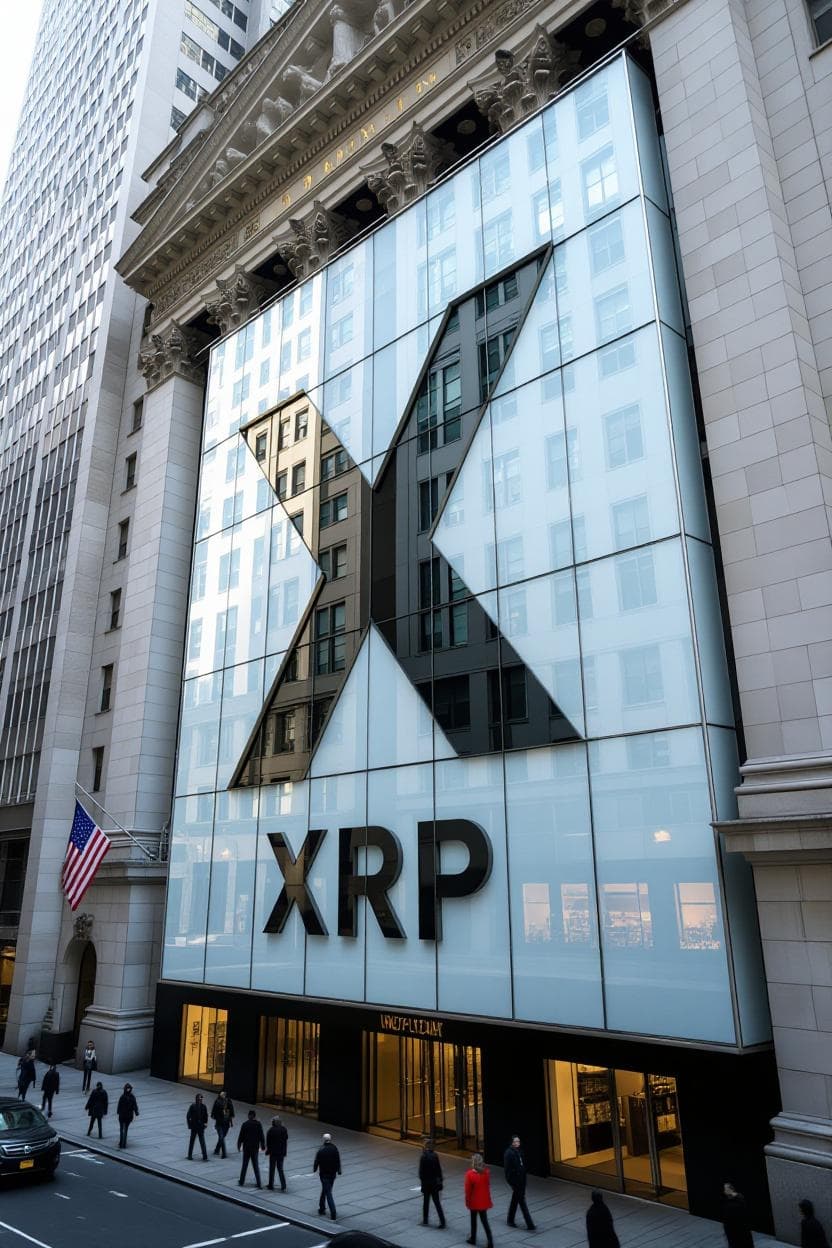
Key Highlights
- XRP is a cryptocurrency designed for fast cross-border payments.
- Its transaction speed and low fees make it attractive to financial institutions.
- Regulatory clarity and technological advancements could enhance its adoption.
XRP, the cryptocurrency associated with the Ripple network, is increasingly being recognized as a potential game-changer in the financial sector. With its unique features, including rapid transaction speeds and low fees, XRP is positioned to disrupt traditional financial systems and possibly achieve global dominance in cross-border payments. As the cryptocurrency landscape evolves, XRP's role could become more significant, especially as financial institutions seek efficient solutions for international transactions.
What sets XRP apart from other cryptocurrencies is its primary focus on facilitating cross-border payments. Unlike Bitcoin and Ethereum, which are often viewed as stores of value or platforms for decentralized applications, XRP serves as a bridge currency that allows for seamless exchanges between different fiat currencies. This functionality is crucial for banks and financial institutions that require fast and cost-effective transaction methods.
The advantages of XRP are compelling. Transactions on the XRP Ledger settle in just 2-5 seconds, a stark contrast to the longer wait times associated with Bitcoin and Ethereum. This speed is essential for real-time gross settlement, making XRP an appealing option for financial institutions that need to process transactions quickly. Additionally, the low transaction fees associated with XRP further enhance its attractiveness, allowing users to save on costs compared to other cryptocurrencies.
Ripple's extensive partnerships with banks and payment providers bolster XRP's credibility and potential for widespread adoption. As more institutions integrate XRP into their systems, the cryptocurrency's user base and transaction volume are likely to grow, driving further acceptance in the market. Furthermore, as regulatory frameworks around cryptocurrencies become clearer, confidence in XRP and the broader crypto market is expected to increase, paving the way for mainstream adoption.
However, the path to global domination is not without challenges. Regulatory hurdles remain a significant concern, as inconsistent regulations across different jurisdictions could impede XRP's adoption. Additionally, the cryptocurrency market is highly competitive, with numerous other cryptocurrencies and blockchain solutions vying for market share. The willingness of financial institutions and users to adopt XRP will ultimately determine its success in achieving global dominance.
Despite these challenges, XRP's advantages position it as a promising cryptocurrency to watch. As demand for fast, efficient, and cost-effective cross-border payment solutions continues to grow, XRP is well-equipped to play a pivotal role in the future of international finance. The ongoing development of the XRP Ledger and its capabilities will further enhance its appeal, making it a key player in the evolving financial landscape.
As the world of finance undergoes significant changes, XRP's potential for global domination in cross-border payments remains an exciting prospect. Stakeholders in the financial sector should keep a close eye on XRP as it navigates the challenges and opportunities ahead, shaping the future of cross-border transactions.
Published by Banx Network. This article is part of the Banx decentralized media programme, powered by the BXE token on the XRP Ledger.



