What is XRP? A Comprehensive Overview
Introduction
XRP is a digital asset created by Ripple Labs with the goal of revolutionizing cross-border payments. Unlike many other cryptocurrencies that primarily focus on being a store of value or a medium of exchange, XRP was designed to solve a specific problem: the inefficiencies of the global financial system.
Purpose and Use Case
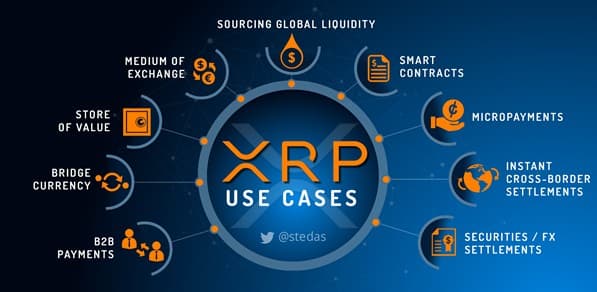
Traditional international money transfers often take days, involve high fees, and require multiple intermediaries. XRP aims to provide:
Faster transactions – Settlements in just 3–5 seconds.
Low costs – Transaction fees are usually less than a cent.
Scalability – Can handle up to 1,500 transactions per second.
Liquidity – Acts as a bridge currency between different fiat currencies.
These features make XRP attractive to banks, payment providers, and financial institutions seeking to modernize cross-border payments.
How XRP Works
XRP runs on the XRP Ledger (XRPL), an open-source blockchain powered by a unique consensus protocol instead of traditional mining. This makes it:
Energy-efficient compared to Bitcoin or Ethereum (pre-merge).
Decentralized, as validators are spread worldwide.
Stable and secure, ensuring reliability for institutional use.
Ripple vs. XRP
It’s important to distinguish between Ripple and XRP:
Ripple Labs: The company that develops financial technology solutions, such as RippleNet.
XRP: The cryptocurrency used within Ripple’s ecosystem, but also available for independent use on the XRPL.
Legal Challenges
XRP has been in the spotlight due to a long-standing lawsuit between Ripple Labs and the U.S. Securities and Exchange Commission (SEC). The SEC claimed that XRP was sold as an unregistered security. While partial rulings have favored Ripple, the final outcome will significantly impact XRP’s regulatory status in the U.S. and potentially influence global crypto regulations.
Market Position
As of today, XRP remains among the top 10 cryptocurrencies by market capitalization. It has a large community, widespread exchange listings, and ongoing adoption by financial institutions worldwide.
Future Outlook
If Ripple continues to win regulatory clarity and expand partnerships, XRP could play a major role in the future of global finance. Its focus on real-world utility—rather than speculation—gives it a strong position in the evolving digital economy.
Conclusion
XRP is more than just a cryptocurrency; it is a tool designed to solve real financial challenges. With its speed, efficiency, and institutional focus, XRP stands out as one of the most practical digital assets in the crypto industry. Its journey is still unfolding, but its potential to reshape international payments makes it a coin worth watching.
Published by Banx Network. This article is part of the Banx decentralized media programme, powered by the BXE token on the XRP Ledger.