
Key Highlights
- Diplomatic Meeting:Xi Jinping met with leaders of Thailand and Cambodia to discuss border issues.
- Call for Dialogue:Xi emphasized the importance of resolving disputes through renewed dialogue.
- Historical Context:The border dispute has led to significant tensions and violence in the past.
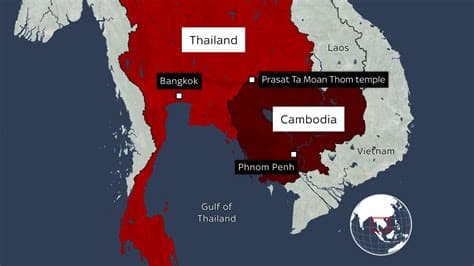
Chinese President Xi Jinping has called for Thailand and Cambodia to resolve their long-standing border dispute during a recent diplomatic meeting. This appeal comes as both nations face ongoing tensions over territorial claims, particularly regarding an ancient temple area that has been a flashpoint for conflict. Xi's remarks highlight the necessity of dialogue, stating that a resolution would serve the “common and long-term interests” of both countries.
The meeting, which took place on the same day, marks a significant moment in Southeast Asian diplomacy, as Xi pledged that China would play a “constructive role” in facilitating discussions between the two nations. This commitment underscores China's growing influence in the region and its desire to maintain stability along its borders.
The border dispute has escalated in recent years, culminating in the deadliest clashes between Thailand and Cambodia in over a decade last year. The fighting was primarily centered around the area surrounding the Preah Vihear temple, a UNESCO World Heritage site that both countries claim as their own. Following the violence, a ceasefire was established in late December, but tensions have remained high, necessitating renewed diplomatic efforts.
Xi's call for dialogue is not only a response to the immediate conflict but also reflects a broader strategy by China to strengthen its relationships with neighboring countries. By positioning itself as a mediator, China aims to enhance its regional standing and promote stability in Southeast Asia, which is vital for its economic interests.
As both Thailand and Cambodia consider Xi's proposal, the international community will be watching closely. The outcome of these discussions could have significant implications for regional security and cooperation. The ongoing border dispute serves as a reminder of the complexities of Southeast Asian geopolitics, where historical grievances and national interests often collide.
In conclusion, Xi Jinping's urging of Thailand and Cambodia to resolve their border dispute through dialogue represents a critical step towards peace in the region. The involvement of China as a mediator could pave the way for a more stable and cooperative Southeast Asia, but the path to resolution remains fraught with challenges.
Published by Banx Network. This article is part of the Banx decentralized media programme, powered by the BXE token on the XRP Ledger.



