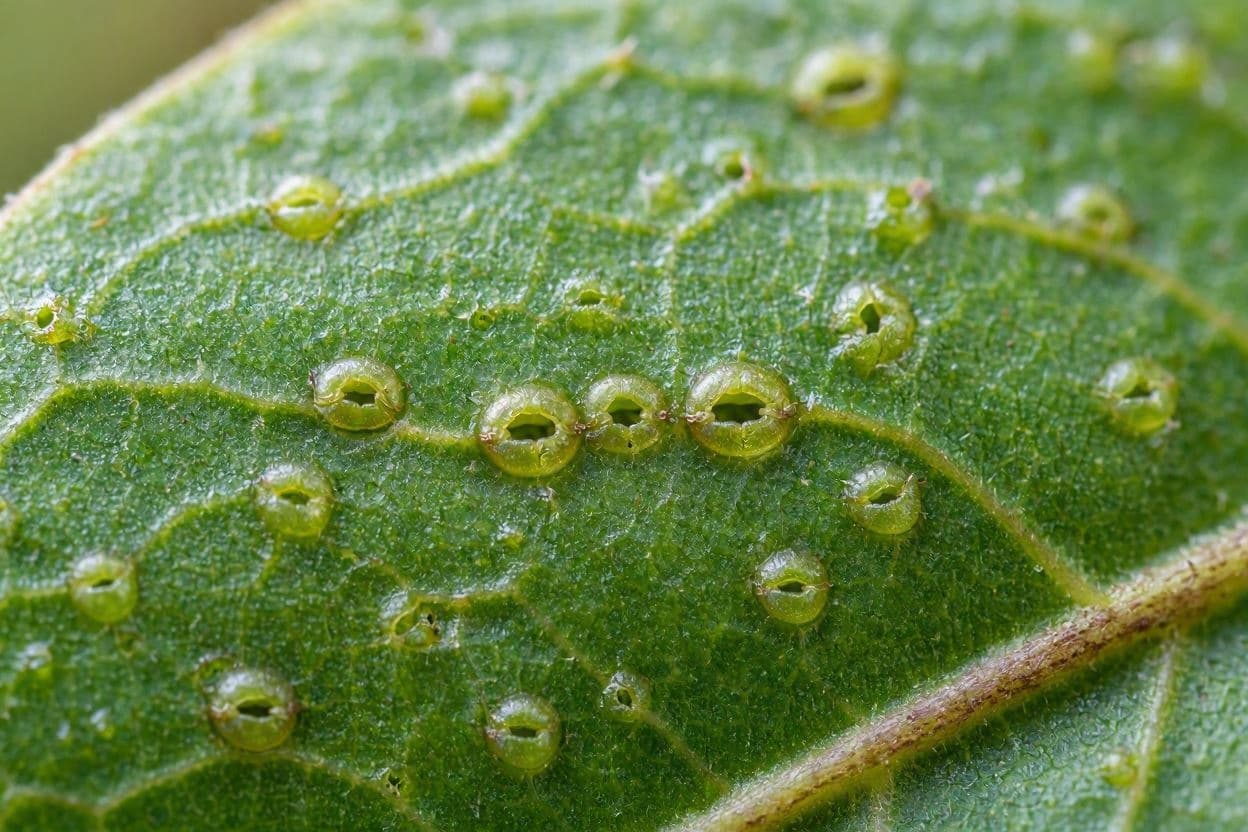
Plants breathe through tiny pores called stomata, invisible to the naked eye yet vital for their survival and our food supply. These microscopic openings regulate water loss and gas exchange, acting as the lungs of the agricultural world. Recently, advanced X-ray imaging techniques have allowed scientists to peer inside leaves with unprecedented clarity, revealing how stomata function in real time. This breakthrough invites reflection on the delicate balance of nature and the potential for technology to enhance sustainability. It is a moment where seeing leads to saving.
The study, conducted by researchers at institutions such as the University of Illinois, uses synchrotron X-rays to create detailed 3D maps of leaf structures. By observing how stomata open and close under different conditions, scientists can identify traits that improve water-use efficiency. Detail reveals function.
For crops like sorghum and corn, reducing water loss without compromising growth is a major goal. The X-ray data helps breeders select plants with optimal stomatal density and responsiveness. Precision aids selection. Efficiency ensures resilience.
Climate change poses increasing threats to agriculture, with droughts becoming more frequent and severe. Developing crops that "sweat" less can help farmers maintain yields in challenging environments. Adaptation is key to security. Innovation supports survival.
The technology also allows for non-destructive analysis, meaning plants can be studied throughout their life cycle without harm. This longitudinal approach provides a more comprehensive understanding of plant physiology. Continuity enhances knowledge. Care preserves integrity.
As these findings translate into new crop varieties, the impact on global food security could be significant. Less water usage means more sustainable farming practices and reduced pressure on freshwater resources. Progress benefits all.
Advanced X-ray imaging has revealed new details about leaf stomata, helping scientists develop crops that use water more efficiently. The research offers hope for more resilient agriculture in the face of climate change. The hope is for widespread adoption of these efficient crop varieties.
AI Image Disclaimer: Visuals associated with this article are AI-generated to illustrate the themes of botanical science and agricultural innovation.
Sources: University of Illinois News Nature Communications Phys.org
Published by Banx Network. This article is part of the Banx decentralized media programme, powered by the BXE token on the XRP Ledger.