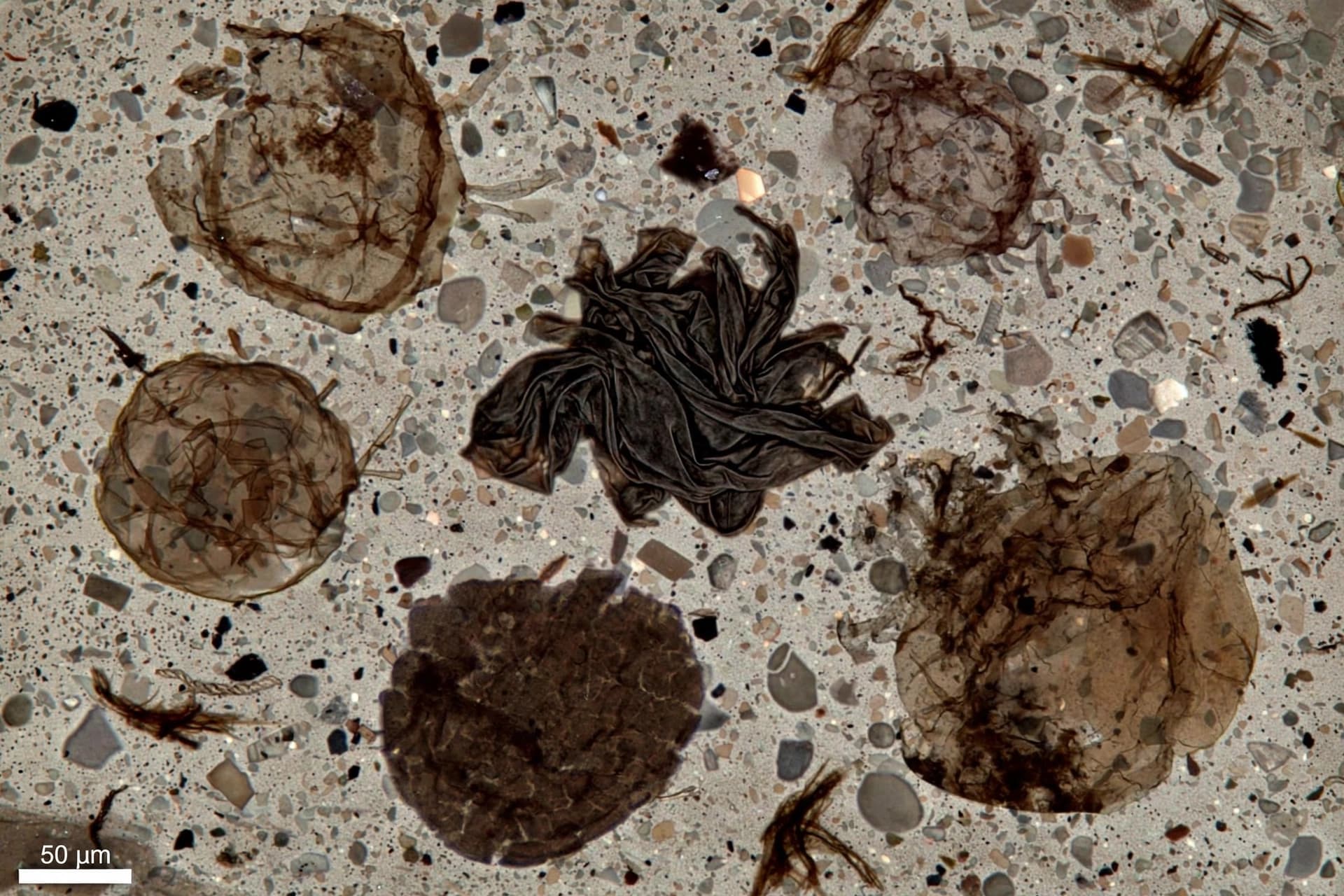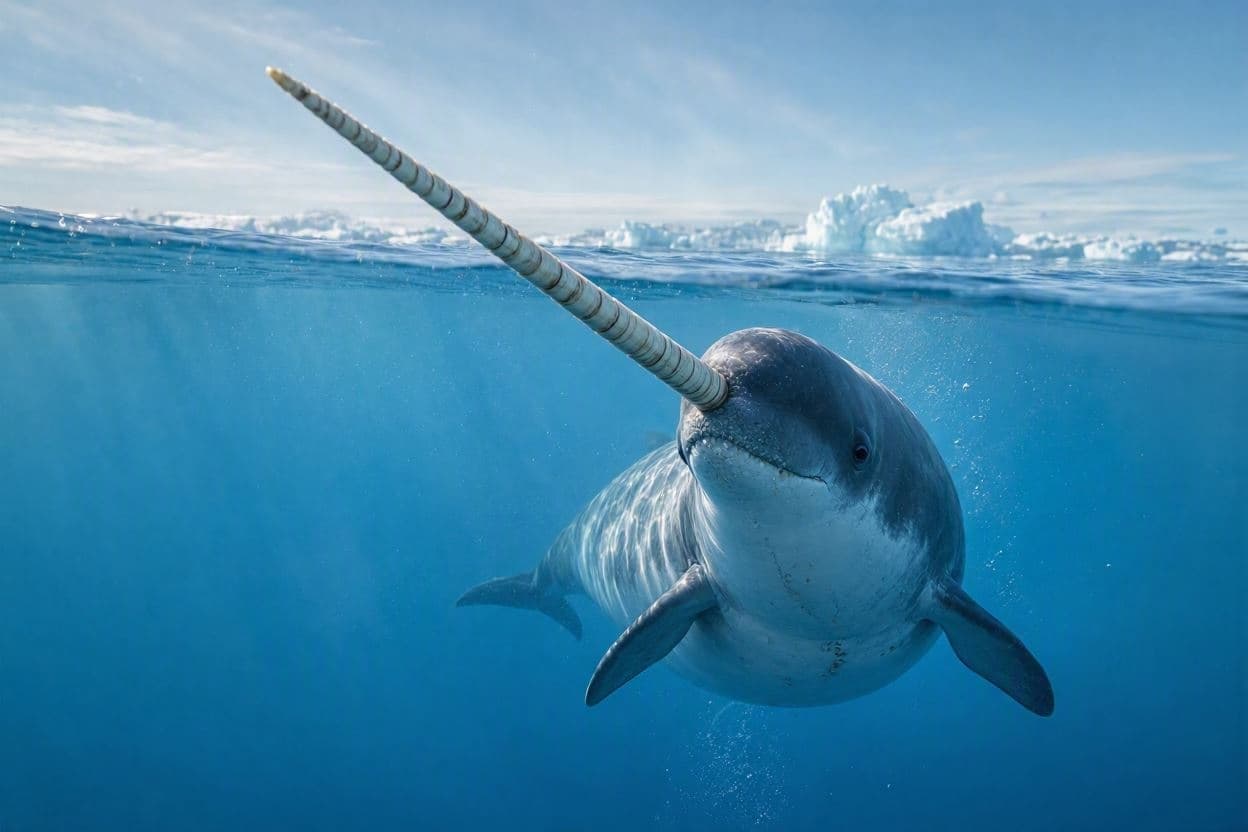
In the icy waters of the Arctic, the narwhal swims with a singular, spiraling tusk that has long fascinated scientists and storytellers alike. Often called the "unicorn of the sea," this tooth grows up to three meters long and twists in a counter-clockwise direction. Recent studies using advanced X-ray imaging have revealed new details about the internal structure of this unique feature, shedding light on its development and potential functions.
The tusk is actually an enlarged canine tooth that protrudes through the upper lip. Unlike other teeth, it lacks enamel and is covered in cementum. The new X-ray analysis shows that the spiral pattern is not just superficial but extends deep into the dentin core. This structural integrity suggests that the twist provides strength and flexibility, allowing the tusk to withstand forces without breaking in the harsh polar environment.
Researchers used synchrotron radiation, a high-intensity X-ray source, to scan tusk samples non-destructively. This technique allowed them to visualize the microscopic arrangement of tubules within the dentin. These tubules, which connect to the nerve center, may play a role in sensing changes in water pressure, temperature, or salinity. This sensory capability could help narwhals navigate and hunt under ice, where visibility is limited.
The function of the tusk has been debated for centuries. While some theories suggested it was used for breaking ice or fighting rivals, recent observations indicate it may be primarily a sensory organ. The dense network of nerves inside the tusk supports this idea, suggesting that narwhals can "feel" their environment in ways other mammals cannot. The spiral shape may enhance this sensitivity by increasing the surface area exposed to the water.
For conservationists, understanding the tusk’s biology is vital. Narwhals are vulnerable to climate change and industrial noise, which can disrupt their sensory world. If the tusk is indeed a critical sensory tool, pollution or physical damage could have severe impacts on their survival. Protecting their habitat means preserving the delicate balance of the Arctic ecosystem that these animals depend on.
The study also highlights the importance of non-invasive research methods. By using X-rays instead of dissection, scientists can preserve rare specimens while gaining detailed insights. This approach respects the animal and allows for repeated analysis as technology improves. It sets a standard for ethical wildlife research in the modern era.
Culturally, the narwhal holds a special place in Inuit heritage. Its tusk has been traded and valued for centuries, symbolizing resilience and adaptation. Modern science adds a new layer to this respect, revealing the biological sophistication behind the myth. It bridges the gap between traditional knowledge and empirical evidence, enriching our appreciation of the species.
As the Arctic changes, the narwhal faces new challenges. Understanding its unique anatomy helps us advocate for its protection. The spiral tusk, once seen merely as a curiosity, is now recognized as a marvel of evolutionary engineering. It reminds us that nature often hides its deepest secrets in plain sight, waiting for the right tools to reveal them.
AI Image Disclaimer: Images accompanying this report are AI-generated artistic interpretations of narwhals and internal tooth structures, intended to visualize the scientific concepts without depicting real proprietary X-ray scans.
Sources: The Anatomical Record, Live Science, National Geographic, Smithsonian Magazine
Published by Banx Network. This article is part of the Banx decentralized media programme, powered by the BXE token on the XRP Ledger.