
Key Highlights
- IEA's Fatih Birol labels current energy crisis as the largest in history.
- Oil prices have surged over $120 amid geopolitical tensions.
- Approximately 13 million barrels of oil per day are lost due to the conflict.
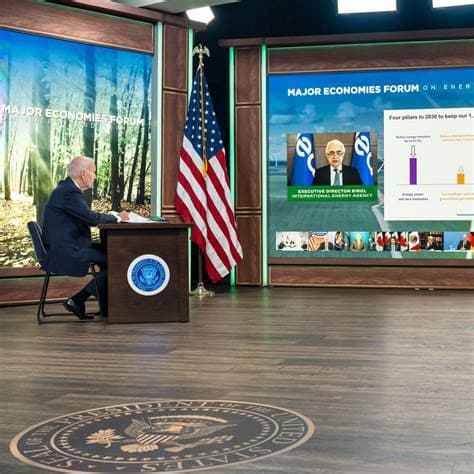
The ongoing energy crisis has reached unprecedented levels, according to Fatih Birol, the Executive Director of the International Energy Agency (IEA). Speaking at a recent conference in Paris, Birol characterized the situation as the largest energy crisis in history, driven largely by geopolitical turmoil stemming from the conflict involving Iran. This crisis has significantly disrupted oil and gas markets, leading to soaring prices that threaten global economic stability.
Birol highlighted alarming statistics, noting that the conflict has resulted in a loss of approximately 13 million barrels of oil per day. As a consequence, oil prices have surged past $120 per barrel, placing immense pressure on economies worldwide. Despite a fragile ceasefire, the ramifications of the crisis continue to escalate, raising concerns about energy security and economic resilience across nations.
A critical factor in this crisis is the Strait of Hormuz, a vital shipping channel for oil and gas. Birol pointed out that Iranian and U.S. forces have effectively blockaded this route, which previously allowed for the passage of around 20 million barrels of oil daily. This blockade not only restricts oil transport but also affects the movement of essential goods, further igniting instability in global commodity markets.
The challenges posed by the current crisis surpass those of previous energy disruptions, including the oil shocks of the 1970s and the impacts of the Russia-Ukraine conflict. Birol remarked, "We are indeed facing an unprecedented inflection point. The longer the war continues, the more enduring the ramifications will be for the energy market." This statement underscores the urgency of addressing the crisis and its potential long-term effects on energy supply and pricing.
In response to these challenges, Birol urged countries to enhance their energy resilience through diversification. He emphasized the importance of increasing renewable energy sources and adopting better energy conservation practices. Furthermore, he suggested that nations may need to reconsider their energy strategies, potentially reviving fossil fuels like coal in certain regions as a stopgap measure amid the crisis.
The IEA has initiated proactive measures to mitigate the crisis, including the coordinated release of 400 million barrels of oil from strategic reserves. However, Birol cautioned that these efforts provide only temporary relief and are not a sustainable solution. The international community's response and adaptability in the coming months will be critical as the world navigates this significant energy security threat, which could reshape global energy dynamics for years to come.
Published by Banx Network. This article is part of the Banx decentralized media programme, powered by the BXE token on the XRP Ledger.



