University campuses, traditionally sanctuaries of free expression and intellectual debate, have recently become stages for intense political activism. Amidst the rise of student encampments protesting various global issues, university leaders are grappling with the dual mandate of protecting safety and preserving open discourse. Former Prime Minister Malcolm Turnbull’s successor, or perhaps a reference to a specific academic administrator named Scott, has highlighted the urgent need to address safety concerns arising from these prolonged demonstrations.
The encampments, often organized to demand institutional divestment or policy changes, have created complex logistical and security challenges. While many protests remain peaceful, the presence of large crowds, temporary structures, and heightened emotions can lead to tensions. Administrators must navigate the fine line between allowing legitimate protest and ensuring that the daily operations of the university, including classes and research, are not disrupted.
Safety concerns extend beyond physical altercations to include mental health and community cohesion. Students and staff on all sides of the debate may feel intimidated or unsafe, impacting their ability to learn and work effectively. University leadership is tasked with creating environments where diverse viewpoints can coexist without fear of harassment or violence. This requires clear codes of conduct and consistent enforcement.
The comment about "needing to do work" suggests a recognition that current protocols may be inadequate. Institutions are reviewing their policies on free speech, assembly, and security response. This process involves consulting with students, faculty, legal experts, and law enforcement to develop frameworks that are both principled and practical. The goal is to prevent escalation while respecting the right to dissent.
Community engagement is crucial in this process. Open forums and dialogue sessions can help bridge divides and foster mutual understanding. By listening to the concerns of protesters and those affected by the protests, universities can identify common ground and develop solutions that address the root causes of unrest. This collaborative approach builds trust and resilience within the campus community.
The broader societal context also plays a role. Universities do not exist in isolation; they reflect the political and social currents of the wider world. Addressing campus safety requires acknowledging these external pressures and preparing students to engage with complex global issues in a constructive manner. Education itself becomes a tool for conflict resolution and civic responsibility.
As the semester progresses, the focus remains on maintaining order and integrity. The actions taken now will set precedents for how universities handle future movements. Balancing safety and freedom is an ongoing challenge, requiring vigilance, adaptability, and a commitment to core academic values.
Closing: Addressing safety during campus encampments is a delicate task that requires thoughtful leadership and community cooperation. By prioritizing both security and free expression, universities can uphold their mission as spaces for learning and democratic engagement.
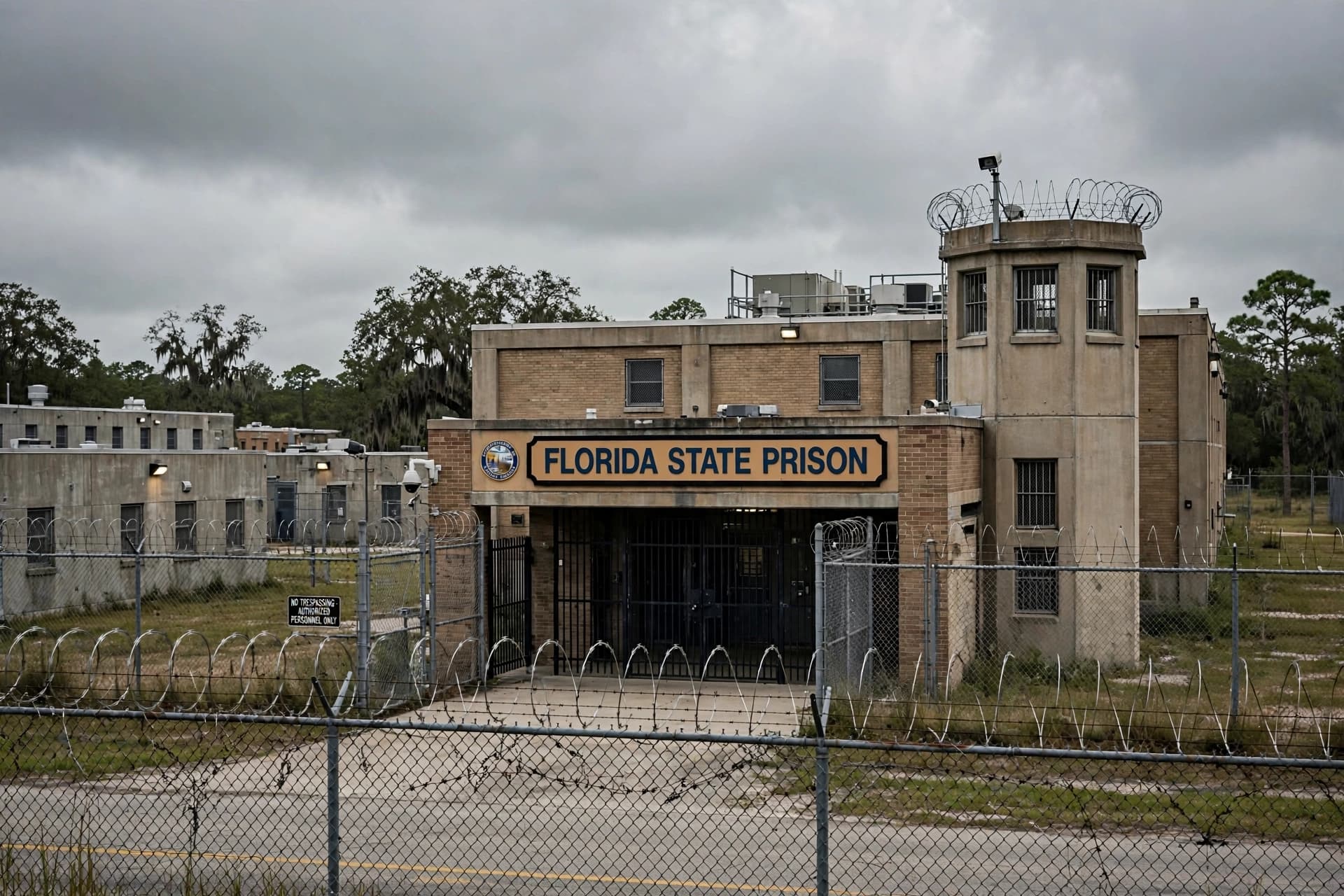
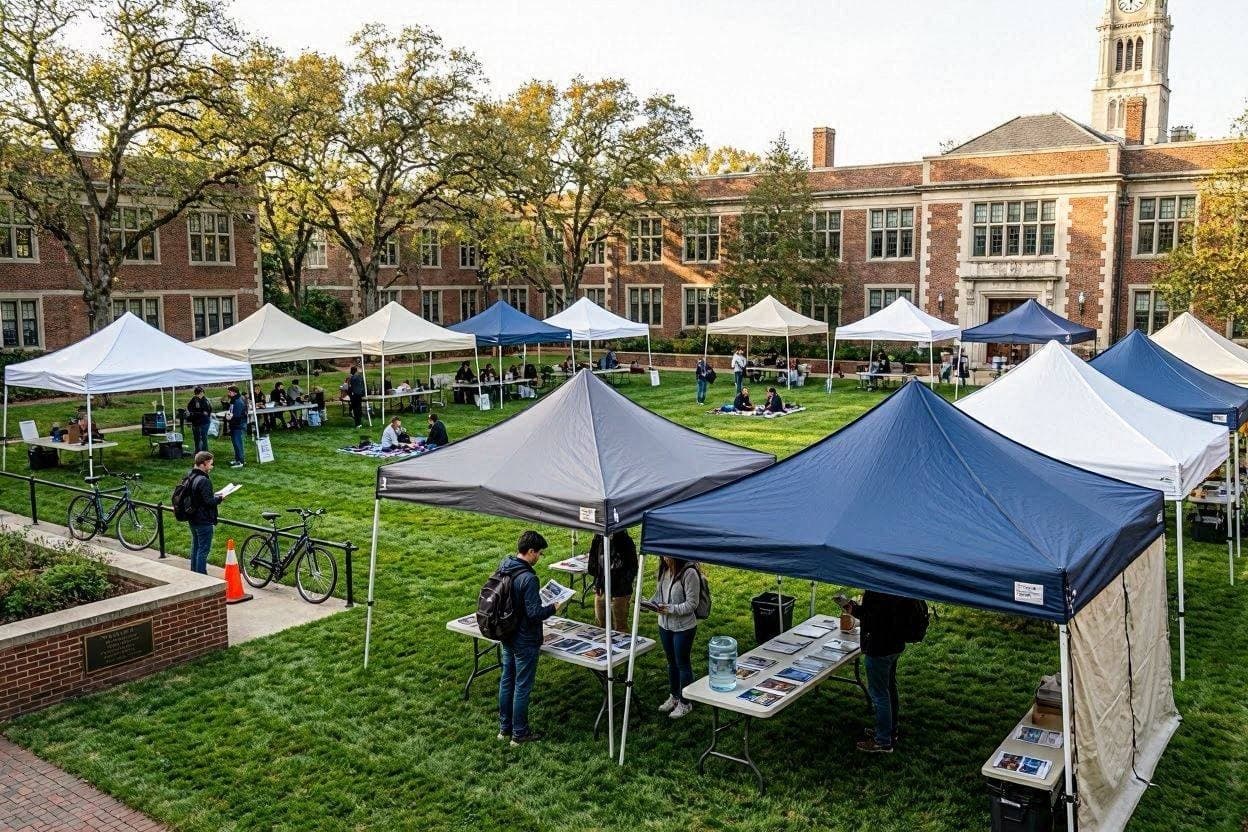
AI Image Disclaimer: The accompanying visuals are AI-generated representations intended to illustrate the context of the article and do not depict actual protest encampments or specific individuals.
Sources: The Australian ABC News Times Higher Education Campus Safety Magazine
Published by Banx Network. This article is part of the Banx decentralized media programme, powered by the BXE token on the XRP Ledger.