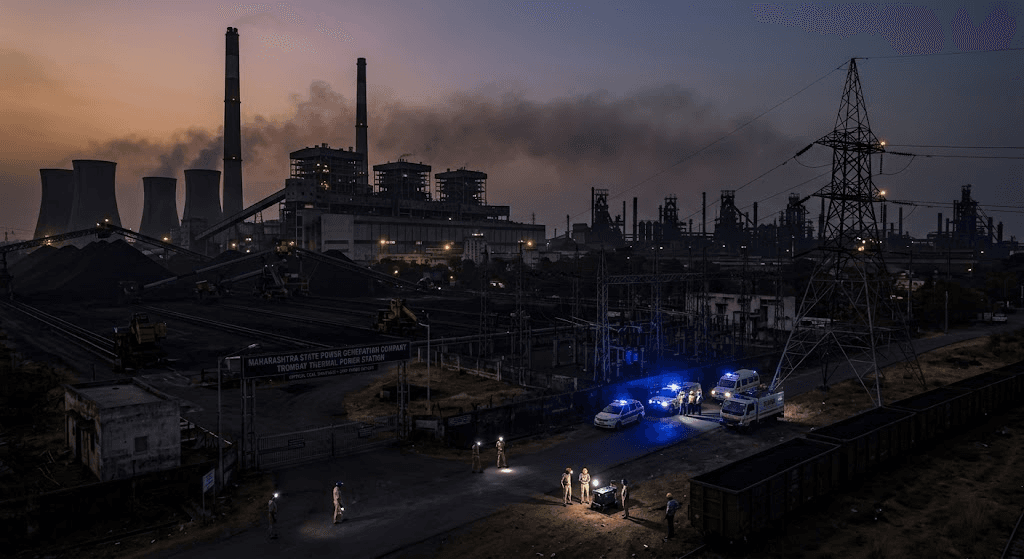
Across much of the world, the surface of the labor market appears calm. Employment levels have stabilized, layoffs have slowed, and the feared collapse in jobs has not arrived. Yet beneath that steadiness lies a more unsettled reality, one defined less by whether people are working than by the quality of the work they can find.
Global employment remains broadly stable, according to recent labor assessments, but the availability of decent jobs continues to fall short. Millions are employed in positions that offer little security, limited income growth, and minimal protection against economic shocks. The result is a workforce that is present, productive, and increasingly vulnerable.
In many regions, job creation has concentrated in informal, temporary, or low-paid roles. These positions absorb labor but rarely provide pathways to stability. Contracts are short, hours unpredictable, and benefits scarce. For workers, employment no longer guarantees resilience, only participation.
The pressure is especially visible among young people and women, who are disproportionately represented in precarious work. Entry-level jobs often lack training and advancement, while care responsibilities and uneven recovery patterns continue to restrict access to better opportunities. In developing economies, informality remains the default rather than the exception, blurring the line between employment and survival.
Wages tell a similar story. While job numbers have recovered in many countries, real income growth has lagged behind inflation in recent years, eroding purchasing power even for those who remain employed. A paycheck arrives, but it stretches less far, reinforcing the sense that progress has stalled.
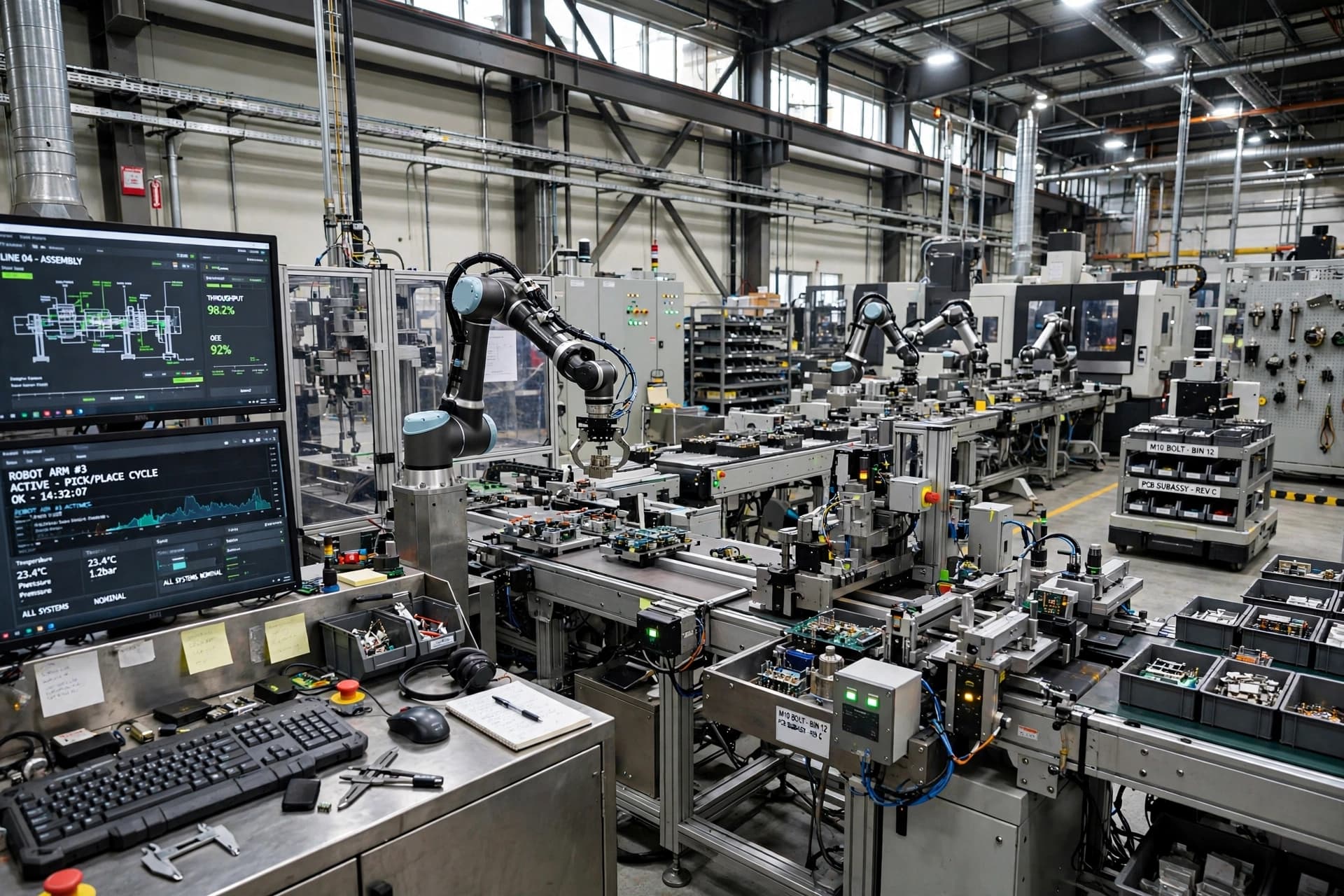
Technology and structural change add another layer of complexity. Automation, platform-based work, and the shift toward services have created flexibility, but often at the cost of predictability. For employers, adaptability is an asset. For workers, it can mean constant adjustment without assurance.
Governments face a narrowing window. Policies that focus solely on employment totals risk missing the deeper challenge: the shortage of decent work. Job quality—defined by fair pay, security, safety, and opportunity—has become the quieter benchmark by which recovery is increasingly judged.
The global labor market today is not collapsing. It is settling into something thinner, more fragile, and unevenly shared. Stability, in this context, is not a destination but a pause, one that conceals unresolved tensions between growth and dignity.
As economies move forward, the question is no longer only how many jobs exist, but what kind of lives those jobs make possible.
AI Image Disclaimer Illustrations are AI-generated and serve as conceptual representations rather than real photographs.
Sources International Labour Organization Global labor market assessments Economic research institutions
Published by Banx Network. This article is part of the Banx decentralized media programme, powered by the BXE token on the XRP Ledger.