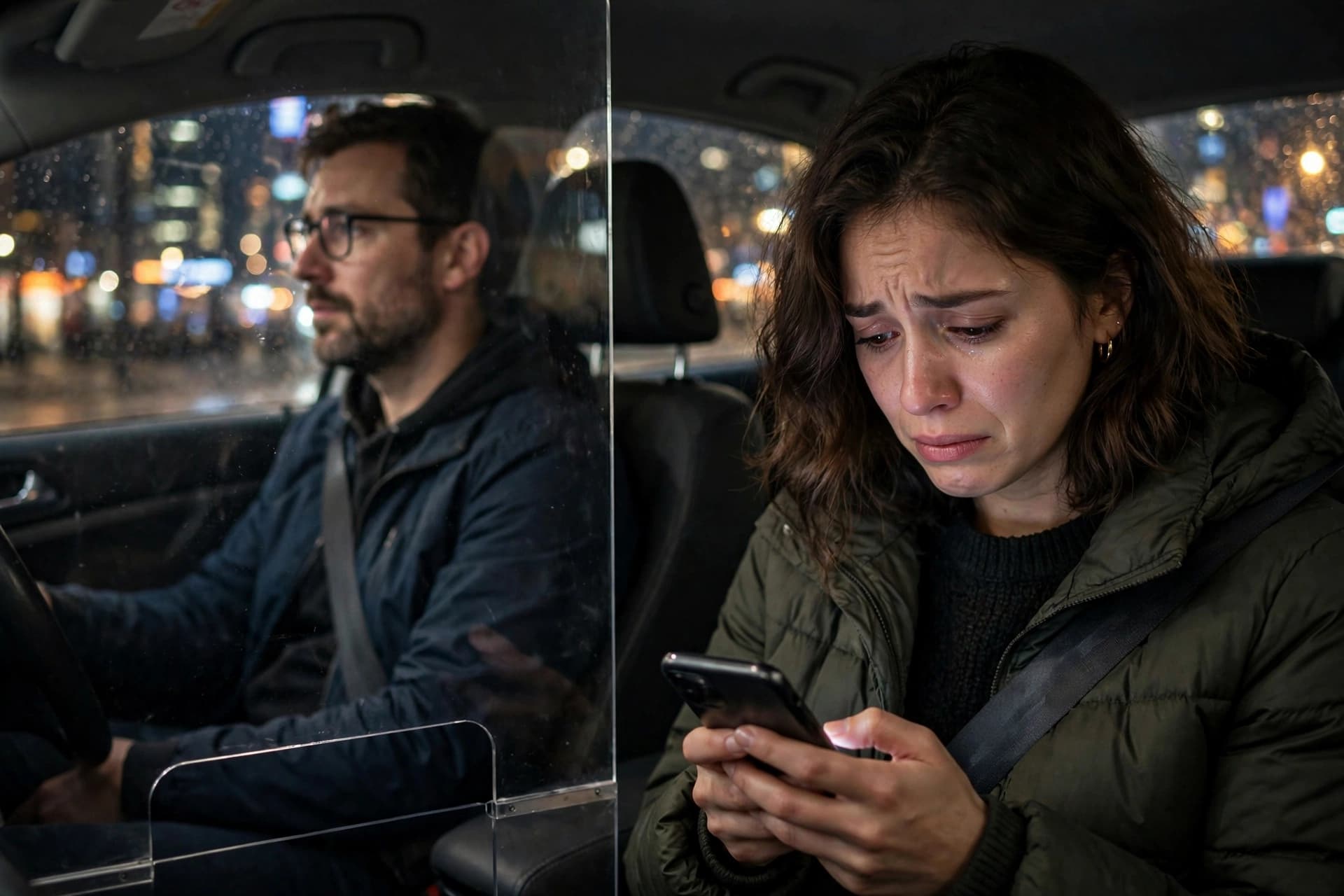
There is a particular vulnerability that accompanies a woman alone in a locked car—a vulnerability made of physics and power, of a door that will not open and a driver who will not stop, of the sudden realization that the space you entered voluntarily has become a space you cannot leave. In Melbourne, a woman named Fatima experienced that vulnerability on Friday night after returning from a business trip. She had her Uber PIN ready as required at Melbourne Airport. The driver claimed it did not work. And then he locked the doors.
Fatima described the sequence of events to Nine News. The driver told her the PIN was invalid and that she needed to transfer him money directly, plus pay for tolls. “I said to him, ‘You’re obviously scamming me and I’m not gonna pay that much,’” she said. When she tried to open the car door, it was locked. “I freaked out by that point,” she said. “I was like, what if he drives off, what if, you know, he hurts me?” She called Triple Zero from the back seat and told operators she was in an Uber with a driver who would not let her out.
The driver eventually dropped Fatima at her home and later returned with her second suitcase. But the fear she experienced—the sense of being trapped, of not knowing what would happen next—did not end when the ride did. Melbourne Airport CEO Lorie Argus said the airport would be investigating. “It’s terrible, and it’s not an expectation that we expect for a welcome to Melbourne, and it’s one that we will absolutely be following up with Uber,” he said. Uber said it was investigating the incident and that off-app payments and soliciting riders for cash are prohibited under its community guidelines.
The scam Fatima described is not unique to Melbourne. In 2024, a Vancouver passenger reported a similar scheme in which a caller claiming to be the driver asked for a verification code sent to her email—a code Uber’s own fine print warns drivers will never request. In California, a woman described a driver who claimed the app was not working and asked her to pay via Venmo instead, only for the ride to register moments after she refused. The common thread is the same: the driver attempts to move the transaction off the platform, removing the tracking and accountability that Uber’s system provides. Without the app, there is no record of the route, no emergency button, no evidence of what happened.
Fatima said police told her they would not investigate unless more passengers reported bad behaviour. “That was really upsetting because it happened once and once is enough,” she said. Uber advised riders not to get into a car before confirming the driver’s photo, number plate, and vehicle type, or with the six-digit PIN at Melbourne Airport. But as Fatima’s experience shows, the moment when the PIN is supposed to be verified is often after the doors have already locked and the car is already moving. The advice assumes a level of control that the circumstances do not always allow.
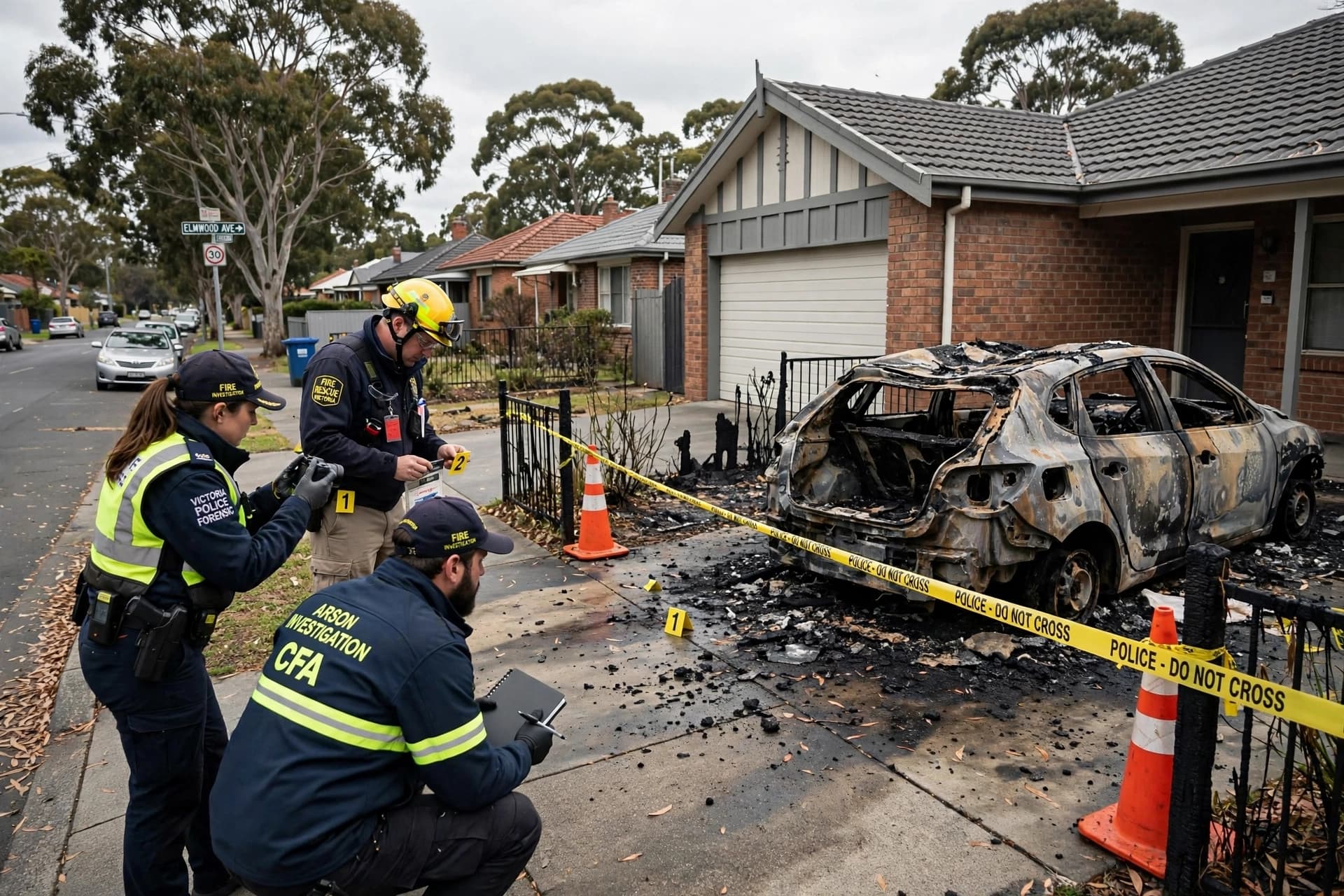
AI Image Disclaimer: The visual elements in this article were created using AI generation tools and are intended for illustrative purposes only.
Sources: Nine News, 3AW, MotorBiscuit
Published by Banx Network. This article is part of the Banx decentralized media programme, powered by the BXE token on the XRP Ledger.