In the intricate web of traffic law, demerit points serve as a deterrent, encouraging safe driving by attaching consequences to violations. But for some, these points become a commodity, traded in a shadowy market that undermines the integrity of the system. A woman in Australia has been charged after allegedly accepting responsibility for 1,266 fines in a "cash for demerits" scheme, a practice that transforms legal penalties into a financial transaction. The case highlights the lengths to which individuals will go to avoid license suspension and the challenges authorities face in enforcing road safety.
The scheme operated by allowing drivers who had accumulated too many demerit points to pay the woman to take the blame for their offenses. In exchange for cash, she would nominate herself as the driver in police reports, absorbing the points and keeping the original offenders’ licenses intact. This arrangement bypassed the intended punitive measures of the law, creating a loophole that favored those with money over those who followed the rules. It was a systematic exploitation of the administrative process.
Authorities uncovered the operation through data analysis, noticing an unusual pattern of fines linked to a single individual across various vehicles and locations. The sheer volume of 1,266 infractions raised red flags, prompting a deeper investigation. Detectives found evidence of coordinated efforts, including communications and financial transactions that supported the allegations. The scale of the operation suggests it was not an isolated incident but a organized enterprise.
For the drivers involved, the temptation was clear: avoid the inconvenience and cost of losing a license. However, the practice poses significant risks to public safety. Drivers who repeatedly offend without facing proper consequences may continue dangerous behaviors, putting others at risk. The scheme effectively neutralized the deterrent effect of demerit points, allowing reckless driving to go unchecked. It undermines the fundamental principle that accountability is necessary for safety.
The woman now faces serious charges, including fraud and perverting the course of justice. If convicted, she could face substantial penalties, serving as a warning to others who might consider similar schemes. The prosecution aims to send a clear message that manipulating the legal system will not be tolerated. It is a effort to restore faith in the fairness and effectiveness of traffic laws.
Police have urged the public to report any suspicious offers related to demerit points. Community vigilance is essential in combating such fraud, as it often relies on secrecy and complicity. By speaking up, citizens help protect the integrity of the road safety system. It is a collective responsibility to ensure that laws are applied equally and justly.
The case also prompts a review of administrative procedures to prevent future abuses. Authorities are considering stricter verification methods for nominating drivers, such as requiring additional evidence or in-person declarations. These changes aim to close loopholes and make it harder for fraudulent schemes to operate. It is a continuous process of adaptation to new forms of misconduct.
In the end, the charging of the woman is a step toward restoring order. It reminds us that laws are designed to protect society, not to be gameable systems. By holding those who exploit the system accountable, we reinforce the value of honesty and safety on the roads. The journey toward fair enforcement continues, driven by diligence and public cooperation.
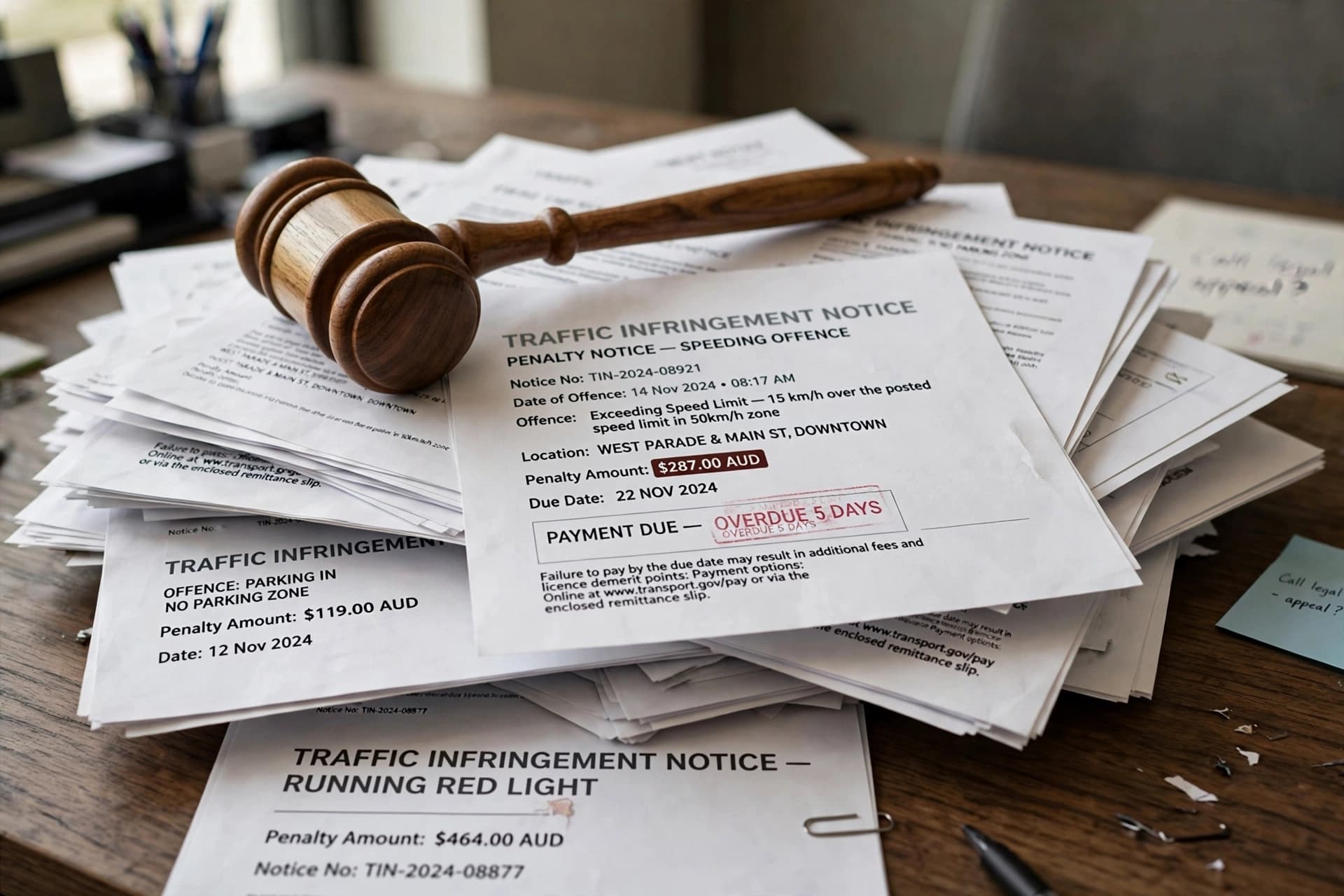
AI Image Disclaimer: The images accompanying this article are AI-generated artistic interpretations of legal documents and traffic themes, not actual photographs of the accused or specific court proceedings.
Sources: 9News Australia The Daily Telegraph ABC News Australia
Published by Banx Network. This article is part of the Banx decentralized media programme, powered by the BXE token on the XRP Ledger.