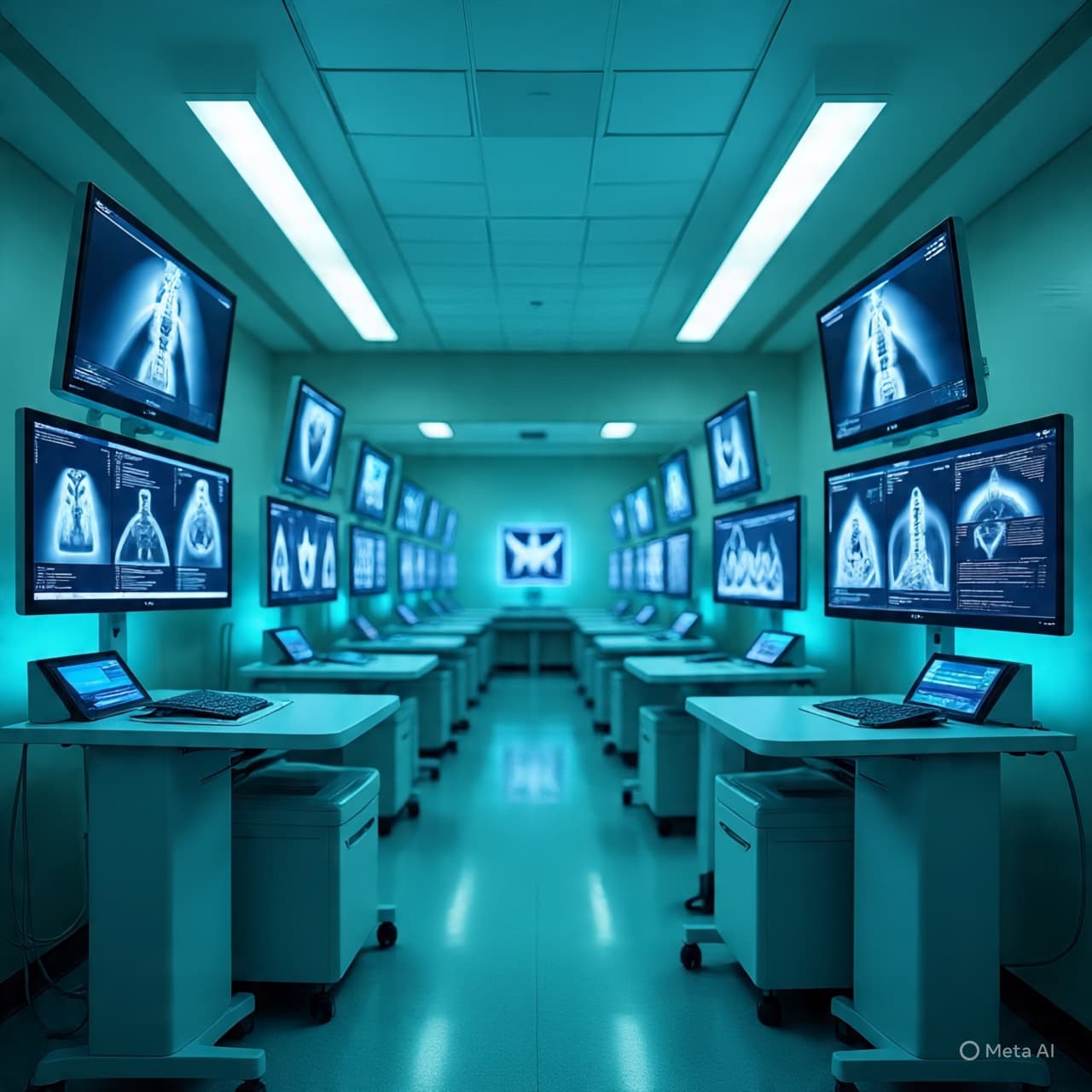
There are mornings when the light in Tehran settles over the city like a thin veil of gold, and the rhythms of everyday life — street vendors calling, traffic flowing, children walking to school — seem untouched by the wider storms beyond each courtyard and alley. Yet amid these familiar motions, there are other imprints, quiet at first, that echo through hospital corridors and over patient beds where the hum of medical machines marks both life and loss. In the darkened rooms of a city hospital, X‑ray images glow under soft lamplight, telling stories that no words quite capture — tiny white dots and darkened shapes against gray expanses of bone and tissue, embodiments of forces more often associated with fields far from cities than the center of protest and hope.
These images — more than seventy‑five sets of X‑rays and CT scans — were collected over the course of a single night during January’s protests and reveal wounds that carry the imprint not just of conflict but of specific intention. Faces, chests, necks, and more intimate parts of the body bear the scars of metal pellets fired from shotguns and high‑caliber projectiles that have settled in places where the breath of life is most delicate. Medical professionals and independent experts who have examined these scans see patterns reminiscent of battlefield trauma: pellets embedded near eyes and skulls, bullets lodged against vital organs, and injuries so severe that even advanced treatment may offer only uncertain hope.
Within the quiet of sterile rooms, doctors — some working through exhaustion, others in hushed consultation — have described what they see in these images as far beyond the incidental wounds of crowds on the move. The locations of many of the impacts suggest fire directed toward the most sensitive parts of human anatomy: the face that greets the day, the chest that carries breath and pulse, the groin that anchors the human form. Outside the imaging suites, family members wait, each breath weighted with anxiety, each whispered prayer tethered to the hope that their loved one’s injuries are survivable.
The joint investigation that brought these scans to light — conducted by an international news outlet and a fact‑checking platform specializing in Persian sources — was aided by panels of medical and ballistics experts who noted both the severity and the clustering of the trauma. An emergency physician, speaking from outside the region, described the volume and nature of the injuries as “shocking,” noting that even in the most harrowing civilian hospital settings elsewhere, such patterns of severe wounds are rare. This assessment reflects broader testimony from Iranian medical staff, many of whom have struggled to provide care under conditions of stress, limited resources, and, at times, direct pressure from authorities.
These wounds and the images that record them exist against the broader backdrop of nationwide demonstrations that have swept Iran in recent weeks. Protesters have taken to streets in cities and towns across the country in response to deep‑rooted grievances, and security forces have responded with force. The precise number of casualties remains difficult to verify, as communication blackouts and restricted access to independent reporting have limited the flow of information. Yet the medical evidence from this single hospital paints a sobering picture of how deeply the violence has cut into the bodies and lives of those who stood in the streets calling for change.
And yet, within these scans of trauma lie traces of human resilience. Repair and care continue under harsh conditions, and for each image that reveals damage, there are hands — both professional and familial — tending to wounds, offering warmth and hope alongside treatment. In the soft glow of examination lights, the silent testimony of metal and bone becomes a reminder of the human cost of upheaval, and the quiet strength of those who seek to mend what has been broken.
AI Image Disclaimer Visuals were created using AI tools and are not real photographs.
Sources The Guardian, Factnameh, i24NEWS, The Jerusalem Post.
Published by Banx Network. This article is part of the Banx decentralized media programme, powered by the BXE token on the XRP Ledger.