The Aegean Sea is often painted as a tapestry of islands and light, a shimmering corridor where history and geography collide. Yet, when the mechanical reality of a coast guard patrol intersects with the frantic movement of a speedboat, the tapestry is torn, and a silence descends that is far heavier than the sound of the sea itself. The collision, occurring in the midst of the vast, indifferent blue, creates a moment of catastrophic interruption, where the precision of maritime law enforcement meets the erratic, desperate pace of unauthorized transit, resulting in a tragedy that leaves all involved to reckon with the sudden, undeniable cost of the encounter.
There is a profound, almost jarring dissonance to the scene. The coast guard vessel, a symbol of order and structured safety, suddenly becomes a participant in the very chaos it was designed to prevent. The impact is a point of rupture, a physical manifestation of the tensions that define the Aegean corridors. For the responders, the shift from a routine patrol to a disaster scenario is instantaneous, a transition that demands an immediate, radical re-alignment of focus. The water, usually a space of transit, becomes the site of a profound, unfolding emergency.
The presence of casualties in such an incident introduces a layer of sorrow that is difficult to process, even for those trained to operate in high-pressure maritime environments. There is a clinical, cold reality to the triage that must occur on the water, a stark contrast to the vast, beautiful expanse of the Aegean surrounding them. The responders work in a state of suspended animation, their movements precise and hushed, each decision measured against the reality of the loss. It is a scene of human fragility that transcends the technical complexities of the collision.
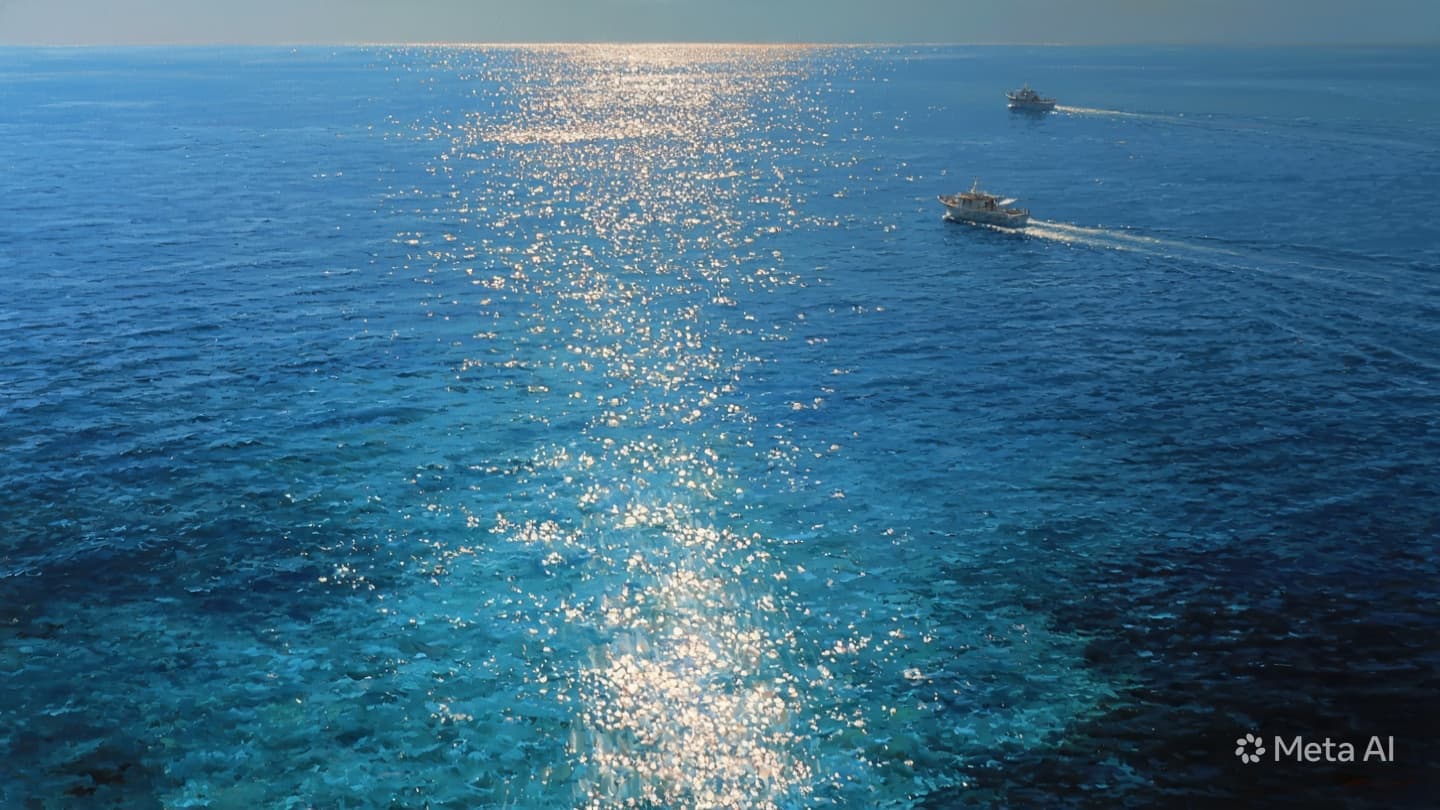
The Aegean, as a witness, remains profoundly neutral. The sun continues to light the waves with a brilliant, golden hue, oblivious to the fractured vessels and the suffering now unfolding upon the surface. This indifference of the environment is perhaps the most difficult aspect to reconcile for those tasked with the recovery. They are operating in a space where the beauty of the landscape acts as a haunting, beautiful frame for the tragedy, a reminder that the sea knows no hierarchy, and that disaster can occur in the most serene of settings.
As the details of the collision emerge, the narrative shifts from the physical act of the event to the complex, systemic questions it raises. The investigations will look for the point of error, the mechanical and procedural failures that led to the intersection of the two vessels. But for the individuals on the water, the search for blame is a secondary concern to the immediate, visceral need for care and the preservation of life. The responders carry the weight of the incident with an emotional distance that is necessary for their professional function, even as the scale of the loss is felt in the collective stillness of the scene.
There is a shared, unspoken understanding among the maritime community about the dangers inherent in these Aegean pursuits. The unpredictability of the small vessels, combined with the often-volatile conditions of the sea, creates a landscape of constant risk. When a collision occurs, it is the realization of a worst-case scenario, a moment where the structures meant to provide safety fail to prevent catastrophe. The resulting silence is an echo of the fragility of the human endeavor, a reminder of how quickly the order of the day can dissolve into the disorder of the crisis.
By the time the vessels are cleared and the initial investigation is underway, the Aegean has returned to its rolling, rhythmic state. The incident is now part of the history of the corridor, a marker of the tensions that continue to define the region. The responders, having fulfilled their duty, return to the port, but they carry with them the memory of the impact and the sudden, sobering presence of the departed. The collision was a fleeting, violent event, yet its consequences remain, a permanent part of the Aegean narrative.
Official reports indicate that a Hellenic Coast Guard vessel was involved in a collision with a speedboat during an interception operation in the Aegean Sea. The incident resulted in multiple casualties among the passengers of the smaller vessel. Medical and recovery teams were deployed to the coordinates of the collision, and an emergency investigation has been launched to determine the cause of the impact. Maritime authorities are currently working with international forensic teams to verify the circumstances of the event and provide support for the survivors.
Published by Banx Network. This article is part of the Banx decentralized media programme, powered by the BXE token on the XRP Ledger.