In the theater of American politics, few figures command attention quite like Mike Lindell, whose journey from pillow magnate to political activist has been marked by bold declarations and unwavering conviction. Recently, the stage was set for a dramatic recount of the Minnesota Republican gubernatorial primary, a process that promised to scrutinize every ballot with meticulous care. Yet, as the deadline for payment approached, the script took an unexpected turn, with Lindell halting the funds and labeling the terms of the recount as unlawful.
Lindell, who lost the primary to Minnesota House Speaker Lisa Demuth by approximately 45,000 votes, had initially pledged to personally fund a statewide hand recount. The cost, estimated at $825,000, was a significant sum, but one that Lindell seemed prepared to pay in his quest for electoral integrity. However, a dispute arose over the scope of the process, with Lindell’s campaign arguing that the requirements set by the Secretary of State’s office were overly burdensome and legally questionable.
The controversy centers on the demand for full payment in advance, a condition that Lindell’s team claims lacks statutory basis. By withholding the funds, Lindell is not only challenging the financial logistics but also the legal framework governing recounts in Minnesota. This move has sparked a debate about the balance between ensuring accurate results and preventing frivolous or politically motivated challenges.
Supporters of Lindell view his actions as a stand against a system they believe is rigged, while critics see it as a delay tactic designed to prolong uncertainty. The situation highlights the fragility of trust in electoral processes, where every procedural detail can become a battleground for competing narratives. For many voters, the focus remains on the outcome, but for activists like Lindell, the process itself is a matter of principle.
Legal experts note that while recounts are a vital part of democracy, they must be conducted within clear and fair guidelines. The disagreement over payment terms raises questions about accessibility, as high costs can effectively bar candidates from seeking verification of results. It is a complex issue that touches on the very heart of democratic participation.
As the standoff continues, the eyes of the nation are on Minnesota, where the resolution of this dispute could set a precedent for future elections. The Secretary of State’s office maintains that the rules are clear and necessary to ensure the integrity of the count. Yet, the tension remains, reflecting a broader unease about the mechanics of voting in America.
Ultimately, the story of the Minnesota recount is one of conflicting ideals, where the desire for transparency clashes with the need for efficiency. It is a reminder that in a democracy, the details matter, and the way we handle them defines our commitment to fairness.
As the legal and political maneuvering continues, the people of Minnesota wait for clarity. The outcome will not only determine the next nominee but also shape the conversation about electoral reform for years to come.
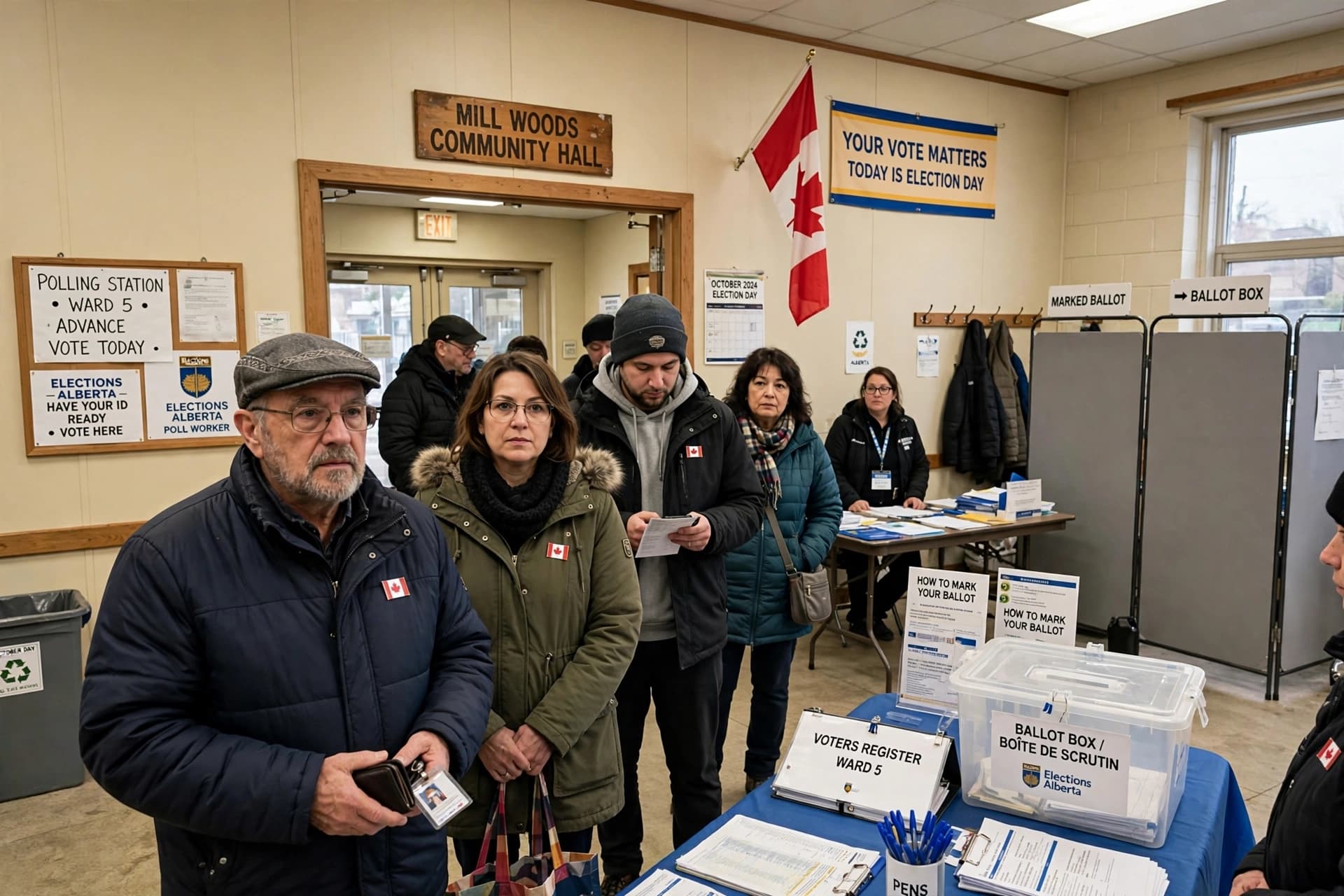
AI Image Disclaimer: The visual materials associated with this article are AI-generated and serve as illustrative aids rather than factual documentation.
Sources: CBS Minnesota Fox 9 Minneapolis MPR News KARE 11
Published by Banx Network. This article is part of the Banx decentralized media programme, powered by the BXE token on the XRP Ledger.