
Key Highlights
- Increased Traffic:The Panama Canal is experiencing a surge in maritime traffic due to rising tensions in the Strait of Hormuz.
- Alternative Shipping Routes:Vessels are seeking safer pathways, leading to a significant uptick in canal usage.
- Economic Implications:The shift in shipping patterns highlights the interconnectedness of global trade and geopolitical events.
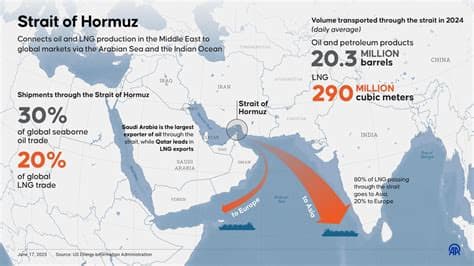
Amid rising tensions and hostilities in the Strait of Hormuz, a critical chokepoint for global oil shipments, the Panama Canal is witnessing an unexpected boom in maritime traffic. With shipping routes in the Gulf region becoming increasingly perilous, vessels are seeking alternative pathways to safely transport goods, leading to increased use of the canal as a strategic bypass.
The escalating conflict has raised alarm among shipping companies and oil producers, prompting them to reconsider routes to minimize risks. As a result, the Panama Canal has emerged as a viable alternative for many vessels, significantly boosting its traffic volumes and economic benefits. According to recent reports, the canal has seen a marked increase in the number of ships passing through, as companies look to avoid the dangers associated with the Strait of Hormuz.
This shift in shipping patterns has notable implications for global trade dynamics. The increased traffic through the Panama Canal not only brings financial advantages to the canal authorities but also underscores the interconnectedness of shipping logistics and geopolitical events. As shipping routes are adjusted, the canal is positioned to capture a larger share of international maritime trade, potentially altering the balance of shipping logistics in the region.
However, the situation also highlights concerns about the ongoing instability in the Strait of Hormuz, which remains a vital passage for a significant portion of the world's oil supply. Continued disruptions could lead to further adjustments in global shipping strategies, emphasizing the need for robust security measures and diplomatic solutions. The potential for conflict in the region raises questions about the long-term viability of relying on the Strait of Hormuz for oil transport.
As the world watches how these developments unfold, the Panama Canal stands to gain from the current geopolitical landscape, showcasing how regional conflicts can reshape global trade flows and logistics. The canal's ability to adapt to changing circumstances will be crucial as it navigates the complexities of international shipping in a time of uncertainty.
Published by Banx Network. This article is part of the Banx decentralized media programme, powered by the BXE token on the XRP Ledger.



