There is a kind of warfare that does not announce itself with tanks or missiles, but with the quiet corrosion of trust—the slow, deliberate erosion of a society's confidence in its own institutions. As Ukraine's European backers navigate a season of domestic strain, Russia is betting that patience, not firepower, will win the war for hearts and minds.
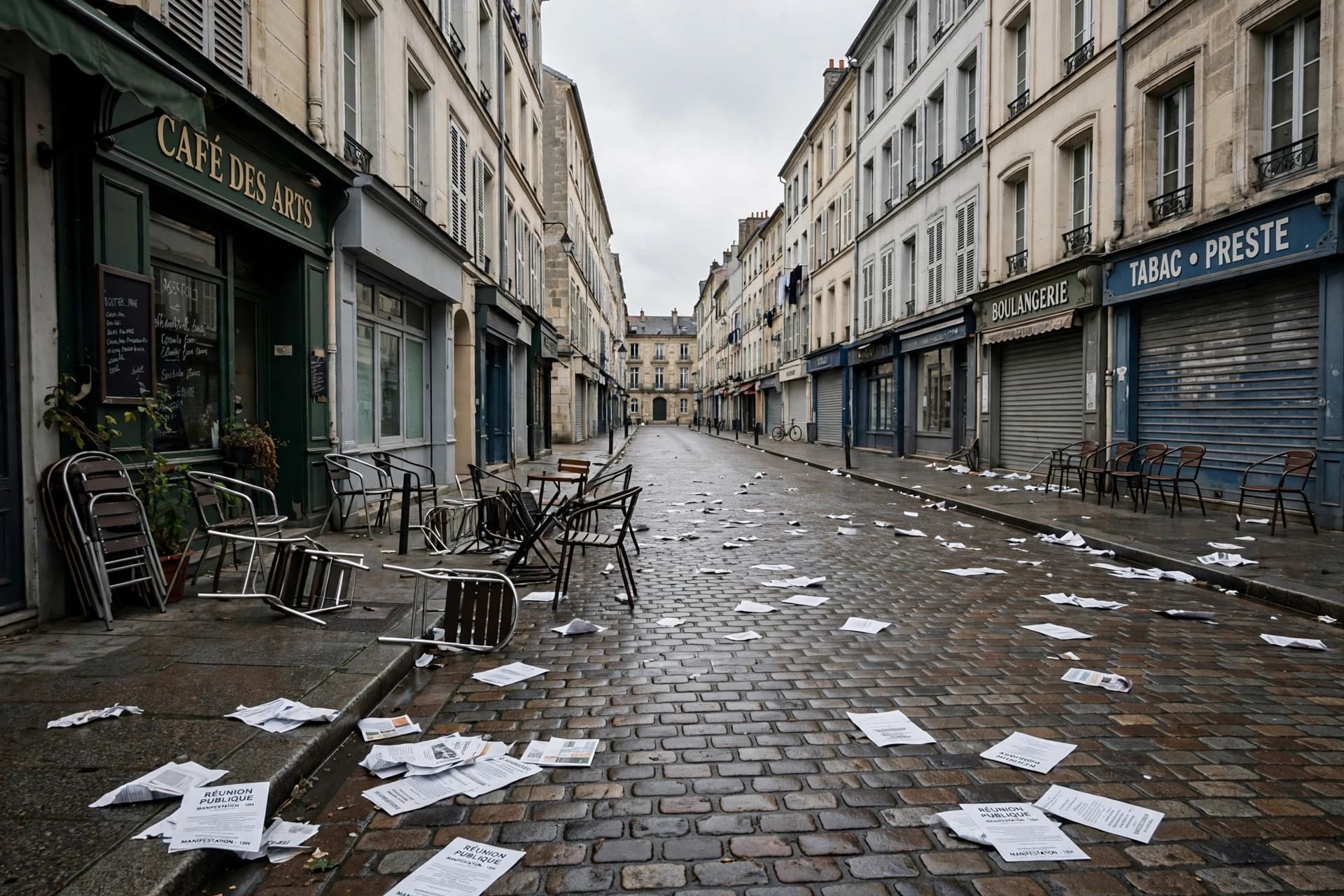
European leaders say Moscow's escalated "hybrid war" against the continent includes online disinformation, cyberattacks, and threats to use nuclear weapons . Russian and European officials and analysts say Putin is counting on a collapse of European support for Kyiv in the coming months, as France contends with violent student protests, Germany faces political upheaval, and a mounting fuel crisis strains households across the continent .
The pattern is not new, but its intensity has sharpened. Belgium's defense minister, Theo Francken, told Ukrinform that Russia has "opened a Western front," using bot farms, social media disinformation, and threats against European businesses to influence elections and shift public opinion against Ukraine . "We see hybrid threats practically every day on the European continent," he said .
Ukraine has urged OSCE states to restrict Russian diplomatic and so-called "cultural" infrastructure used for espionage and subversion. Rostyslav Palahusynets, Ukraine's deputy permanent representative in Vienna, noted that Russian Foreign Minister Sergei Lavrov used the UN General Assembly podium to threaten Europe with war, rhetoric that he said "cannot be dismissed as ordinary propaganda" . Germany has responded to a sabotage act at Leipzig Airport—attributed by intelligence services to Russia—by closing the Russian Consulate General in Bonn and terminating the agreement on the "Russian House" in Berlin .
Former Polish Defense Minister Janusz Onyszkiewicz said Russia is seeking to intimidate Poland and weaken support for Ukraine through airstrikes near the border, and he estimated the likelihood of a Russian provocation on Polish territory at around 70 percent. He suggested the run-up to Christmas could be a convenient time for such an action, "as it could particularly painfully disrupt the atmosphere of anticipation of the holiday" .
Yet Francken remains skeptical that Moscow's strategy will succeed. "Russia has miscalculated many times," he said. "They have the idea that Europe can be divided, that Europe will not hold, that Europe will stop supporting Ukraine. They thought this for the last four years, and they still don't see it" .
For now, the pressure continues—on airports and undersea cables, on election campaigns and public squares. The question is not whether Europe can withstand the pressure, but whether it can do so without losing the cohesion that has held it together.
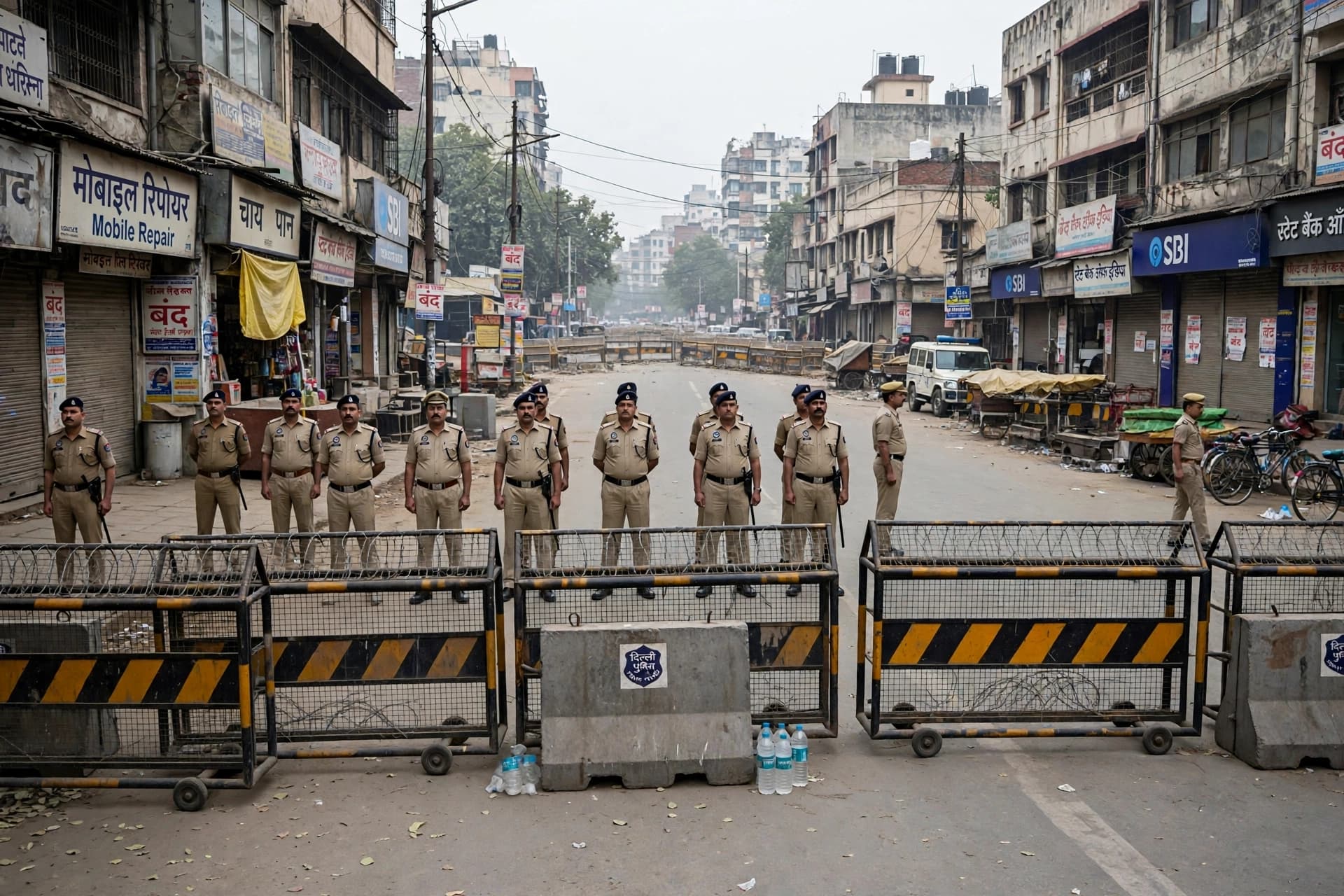
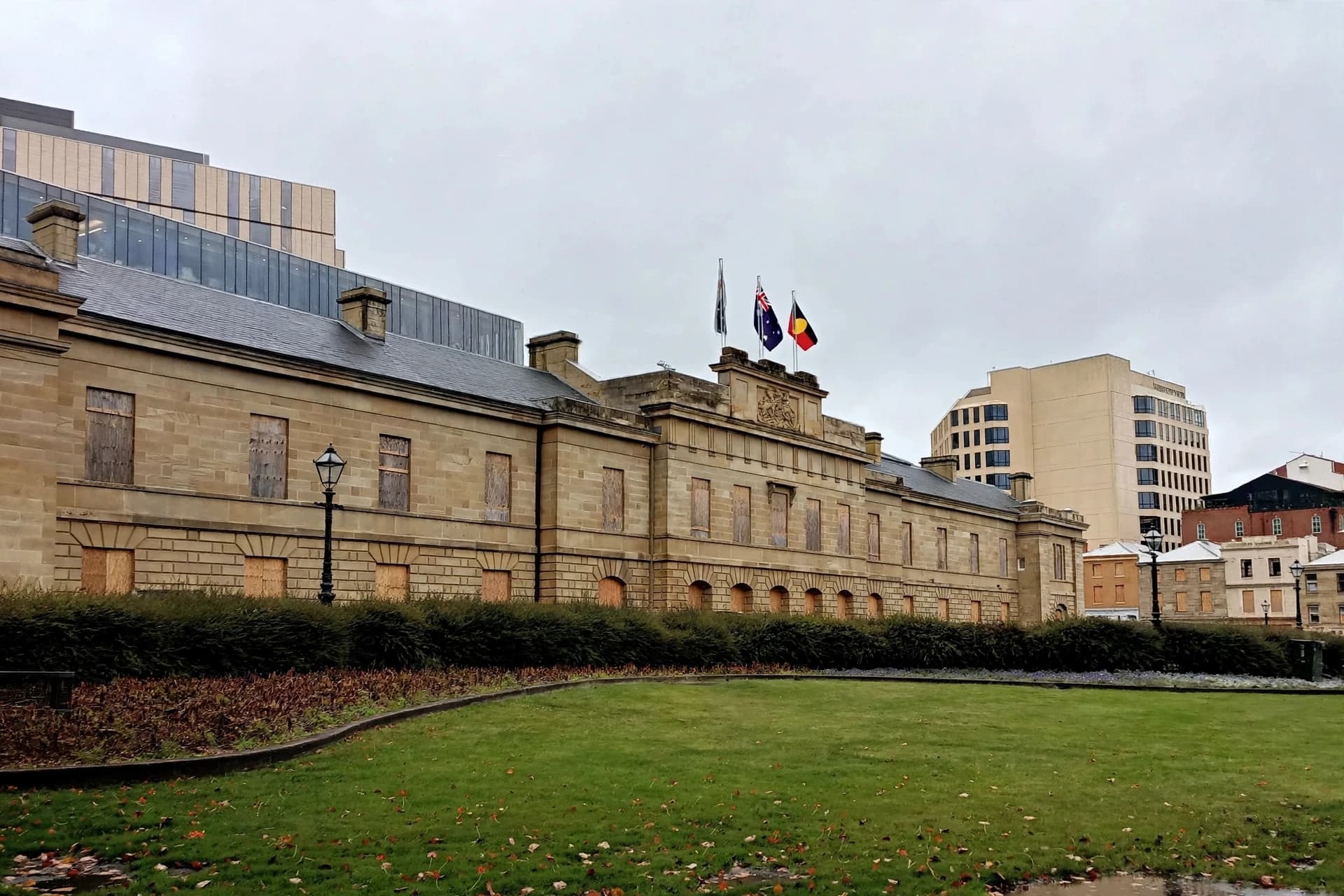
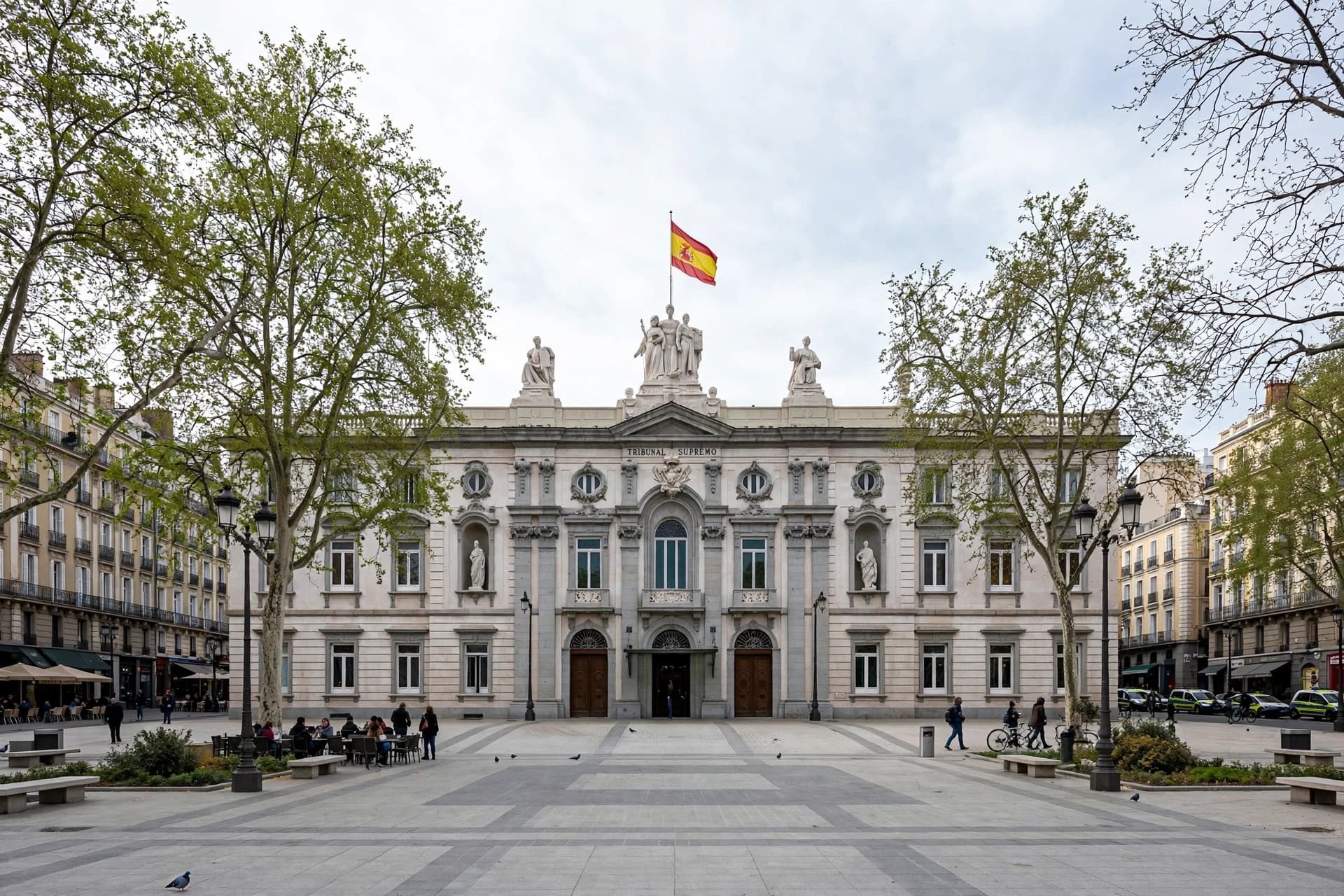
AI Image Disclaimer: Visuals in this article are AI-generated and do not depict actual events or persons.
Sources: The Washington Post, Ukrinform
Published by Banx Network. This article is part of the Banx decentralized media programme, powered by the BXE token on the XRP Ledger.