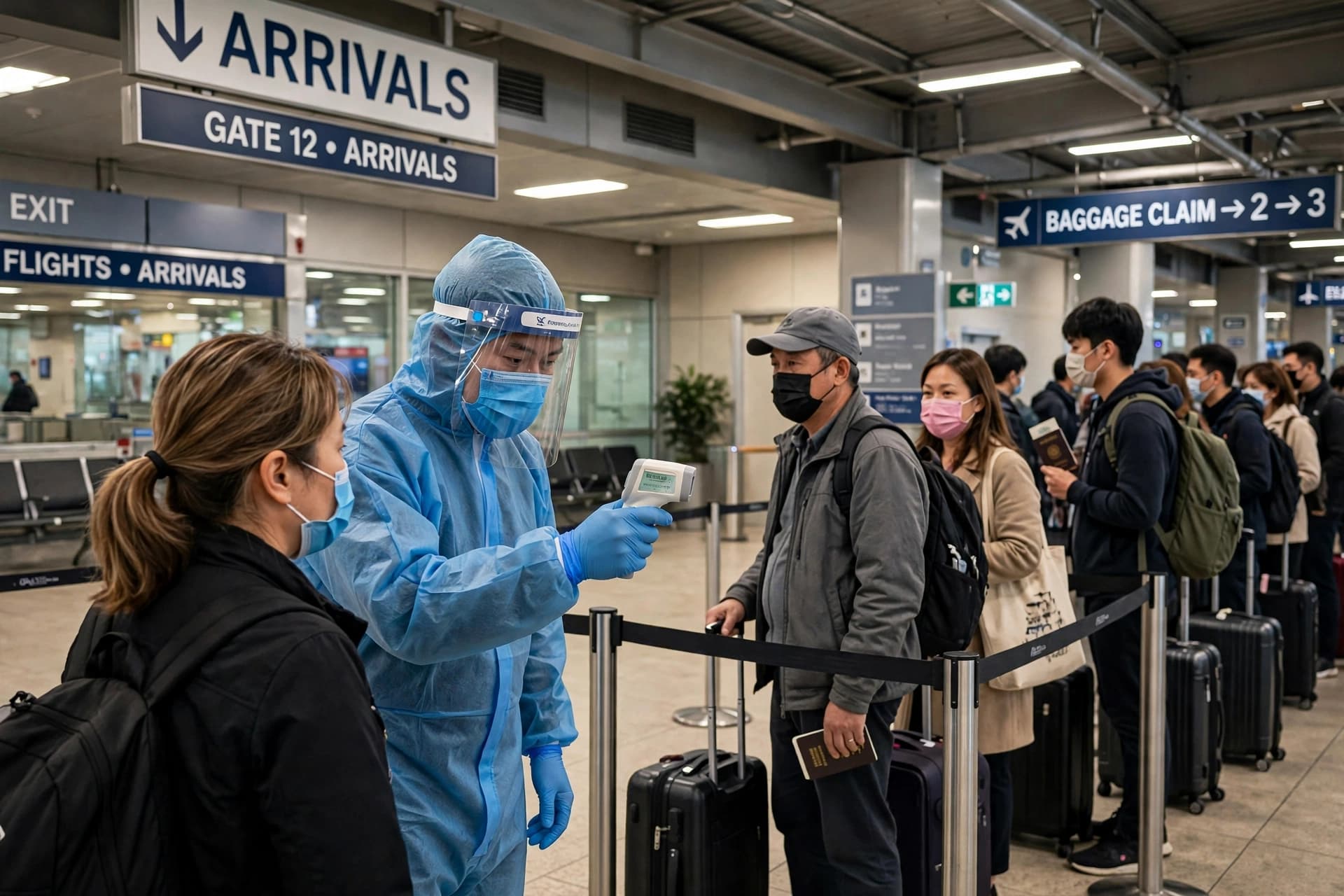
Across Europe this winter, a new influenza strain is sweeping through communities earlier than expected and pushing healthcare systems to their limits, the World Health Organization (WHO) says. The dominant strain — a subtype of influenza A known as H3N2 subclade K — now accounts for up to 90 % of confirmed flu infections in the WHO European Region, prompting hospitals, clinics and emergency rooms from the United Kingdom to Spain to report mounting pressure on resources and staff.
Health authorities have noted that the flu season began roughly four weeks earlier than usual, amplifying the challenge for health services already dealing with seasonal demand and other respiratory viruses. A significant number of European countries — at least 27 out of 38 reporting data — are now experiencing high or very high influenza activity, with adults over 65, children and people with chronic conditions among those most affected.
While current evidence does not suggest this strain causes more severe illness on an individual basis than typical seasonal flu, its rapid spread and high transmission rates mean that large numbers of people are becoming sick at the same time. That surge is leading to increased hospital admissions, overwhelmed emergency departments, delays in routine care and a sharp rise in healthcare demand across multiple countries.
In the United Kingdom, hospitals have reported what medical leaders describe as a “worst‑case scenario,” with flu admissions soaring over 50 % in a single week. The rise in cases has prompted some trusts to reinstate mask mandates, expand bed capacity, and urgently appeal for vaccination uptake to reduce severe outcomes.
The strain’s early and intense circulation is also visible in other parts of Europe. In England’s pharmacies and GP practices, demand for flu vaccinations has spiked sharply, leading to appointment shortages in some areas as people seek protection against the illness. Meanwhile, emergency departments in regions such as Ireland’s Sligo and Tipperary hospitals have imposed visitor restrictions and heightened infection controls in response to rising flu cases.
Public health officials continue to urge eligible individuals — especially older adults, pregnant people, those with underlying health conditions and healthcare workers — to get vaccinated without delay. Vaccination is widely seen as the most effective tool to reduce the risk of severe illness and hospitalization, even if the current vaccine may be somewhat less matched to the new strain than ideal.
As Europe heads into the peak flu period, the pressure on hospitals and care services highlights the delicate balance health systems must maintain during winter months. The early surge of this new strain underscores both the value of preventive measures and the ongoing challenges posed by rapidly evolving respiratory viruses.
AI Image Disclaimer Visuals are created with AI tools and are not real photographs; they are intended for conceptual representation only.
Sources: The Guardian, Novinite, The National News, The Guardian (UK flu jab demand).
Published by Banx Network. This article is part of the Banx decentralized media programme, powered by the BXE token on the XRP Ledger.