
Key Highlights
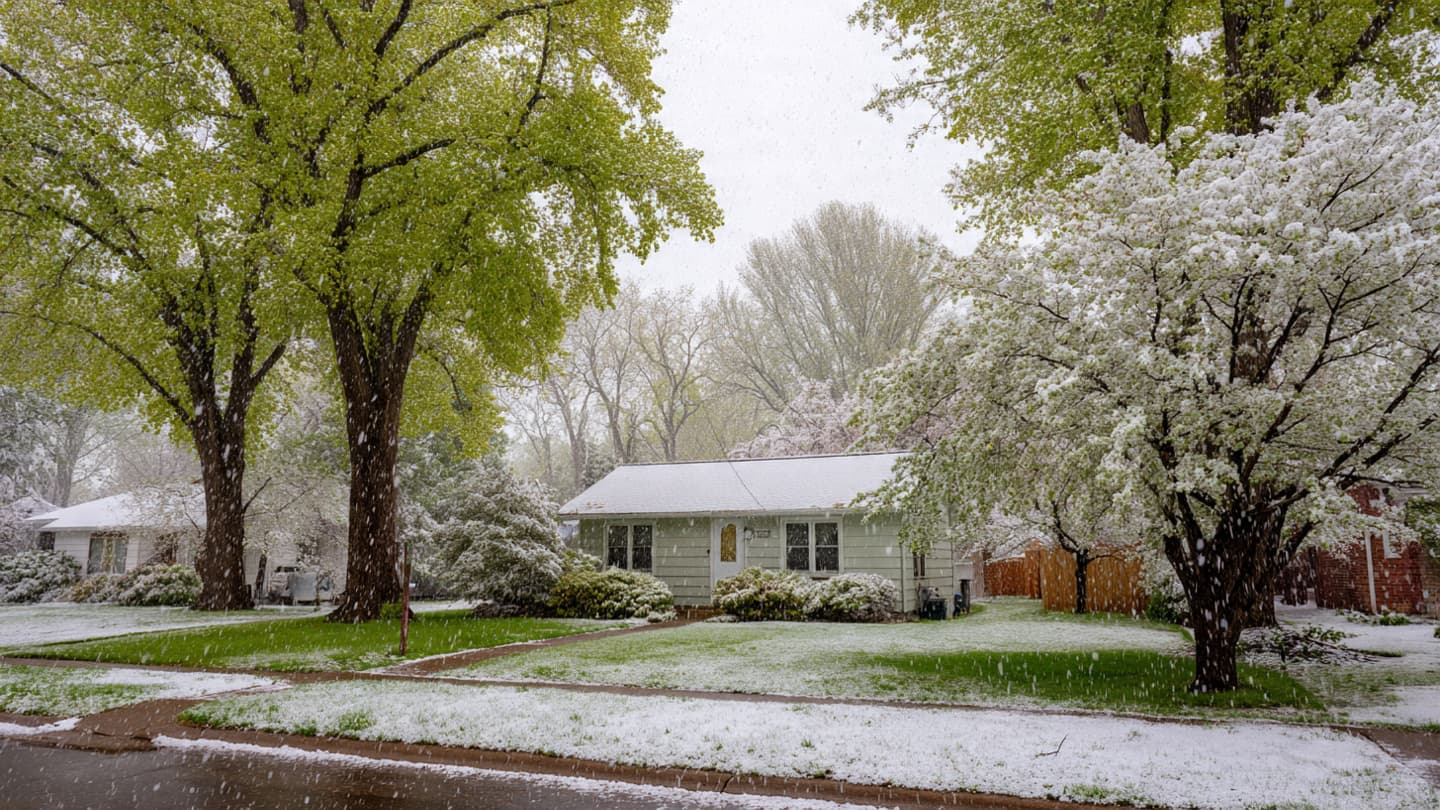
- Late-season snowfall is surprising many regions in North America.
- Meteorological reports indicate measurable snow could accumulate in areas previously experiencing mild winters.
- The phenomenon raises questions about climate variability and its effects on weather patterns.
[Weather Patterns Shift]
Across North America, an unexpected weather phenomenon is unfolding as late winter snowfall arrives just as spring was beginning to take hold. Meteorological reports indicate that regions which had previously experienced unusually mild winters are now preparing for measurable snowfall, with forecasts suggesting several inches could accumulate in areas that had seen little more than frost until now. This shift not only captures attention for its rarity but also reflects broader climate variability trends.
Throughout the past winter, many cities recorded below-average snowfall totals, with warmer temperatures influenced by atmospheric patterns such as El Niño contributing to reduced precipitation in frozen form. Residents adapted to a season that felt incomplete, with snow boots left unused and snowplows idle, leaving landscapes unusually bare. The sudden arrival of snow in May serves as a stark reminder of the unpredictable nature of weather patterns.
[Impact on Communities]
As spring began to settle in, colder air masses moved southward, colliding with moisture-laden systems, creating the conditions for late-season snow, particularly in higher elevations and northern latitudes. While such events are not unprecedented, they remain uncommon enough to draw both curiosity and concern from local communities. The sudden snowfall presents practical challenges, including travel disruptions, agricultural concerns, and necessary infrastructure adjustments. Farmers, in particular, face setbacks as planting schedules are interrupted by frozen ground.
[Climate Variability Concerns]
Experts caution against interpreting a single weather event as definitive evidence of long-term climate trends. However, they acknowledge that increased variability—characterized by warmer winters followed by abrupt cold snaps—has become more noticeable in recent years. This late winter snowfall serves as a subtle reminder of the complexities of climate systems and the need for ongoing observation and research.
[Community Reactions]
Residents have responded to the unexpected snowfall with a mix of surprise and quiet appreciation. For some, the snowfall offers a fleeting return to a season that felt absent, while for others, it underscores a growing sense that weather patterns are becoming less predictable and less bound by familiar rhythms. The late arrival of snow does not rewrite the season, but it leaves an impression—one that lingers like footprints in fresh powder, briefly visible before the inevitable thaw.
[Preparation and Advisory]
Authorities advise residents to monitor local forecasts and prepare for temporary disruptions, as conditions may change quickly with rising spring temperatures. As communities navigate this unusual weather, the focus remains on safety and adaptability in the face of changing climate patterns.
Published by Banx Network. This article is part of the Banx decentralized media programme, powered by the BXE token on the XRP Ledger.



