
Key Highlights
- Date of Flight:U.S. Navy F/A-18 jets flew on December 9, 2025.
- Duration:The jets spent approximately 30 to 40 minutes in the Gulf of Venezuela.
- Context:The flight occurred amid rising military tensions in the region.
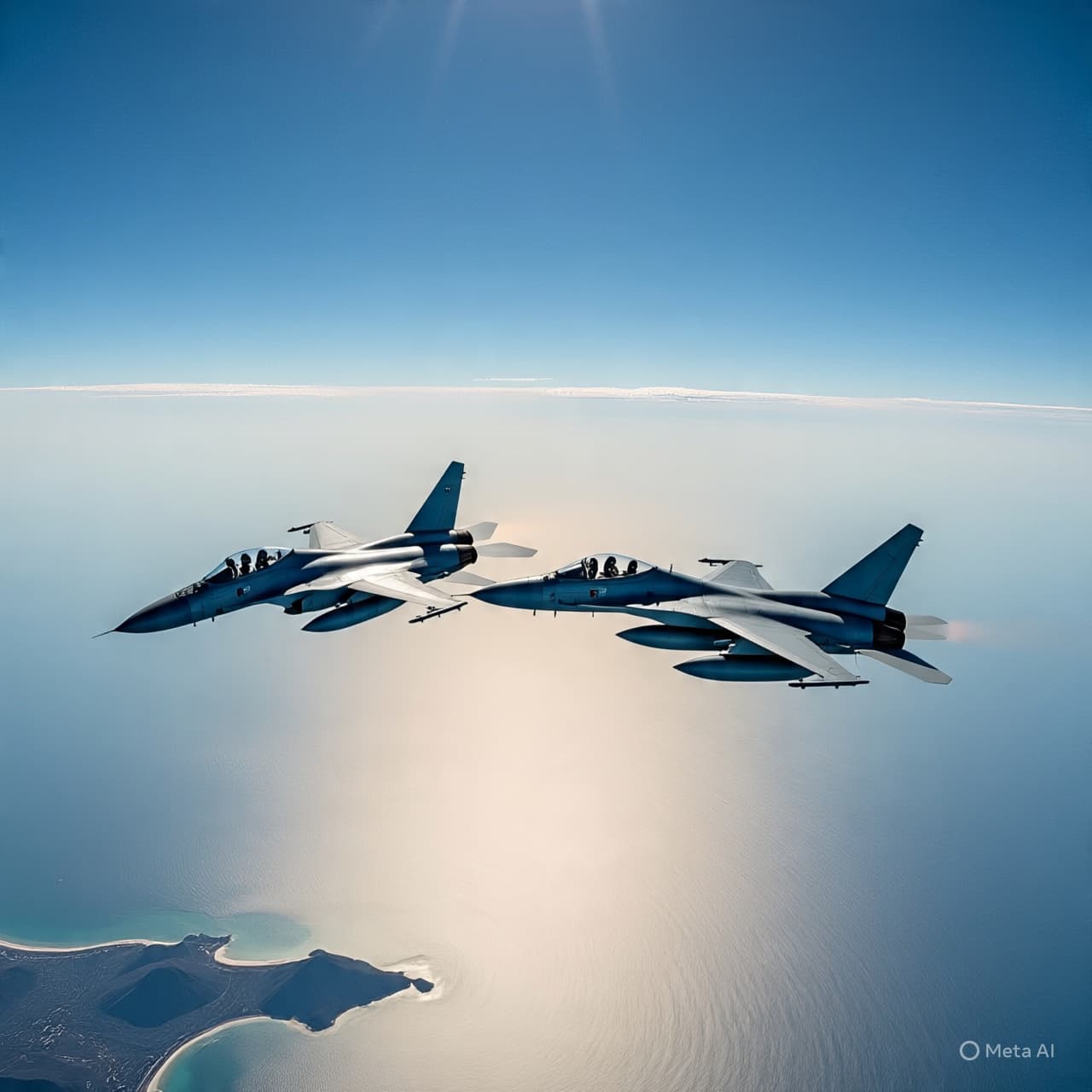
On December 9, 2025, the tranquil waters of the Gulf of Venezuela were disrupted by the presence of two U.S. Navy F/A-18 fighter jets. Their flight paths, visible through public tracking websites, transformed what might have been a routine day at sea into a significant geopolitical event. The jets' maneuvers over the gulf, which many Venezuelans consider part of their national airspace, sent ripples of concern and speculation throughout the region.
According to reports, the U.S. jets conducted what was described by Washington as a "routine training flight" in international airspace. A U.S. defense official emphasized that the operation was lawful and not intended to provoke. However, the timing and location of the flight have raised eyebrows, especially given the recent increase in military operations targeting vessels accused of narcotics trafficking in the area. This backdrop of heightened military pressure adds layers of complexity to the seemingly straightforward mission.
The Gulf of Venezuela is not merely a body of water; it is a region steeped in territorial disputes, national pride, and significant resource wealth. The overflight by U.S. military jets serves as a stark reminder of the delicate balance of power in the region. For many observers, the flight represents more than just a military exercise; it is a calculated message of U.S. reach and readiness to act, echoing the broader narrative of fear and uncertainty that permeates the lives of those living along the Venezuelan coast.
As the jets departed, the calm of the sea returned, but the implications of their presence lingered. The silence left in their wake is a powerful reminder that military movements can resonate far beyond their immediate context. In a region where sovereignty is fragile and tensions are high, the actions of a foreign military can evoke strong reactions and fears of escalation.
In conclusion, the flight of U.S. Navy jets over the Gulf of Venezuela on December 9 serves as a critical moment in the ongoing narrative of U.S.-Venezuela relations. It highlights the complexities of international military operations and the delicate nature of territorial claims in a region rich with resources and fraught with historical tensions. As the world watches, the implications of such flights will continue to unfold, shaping the geopolitical landscape of the Americas.
Published by Banx Network. This article is part of the Banx decentralized media programme, powered by the BXE token on the XRP Ledger.



