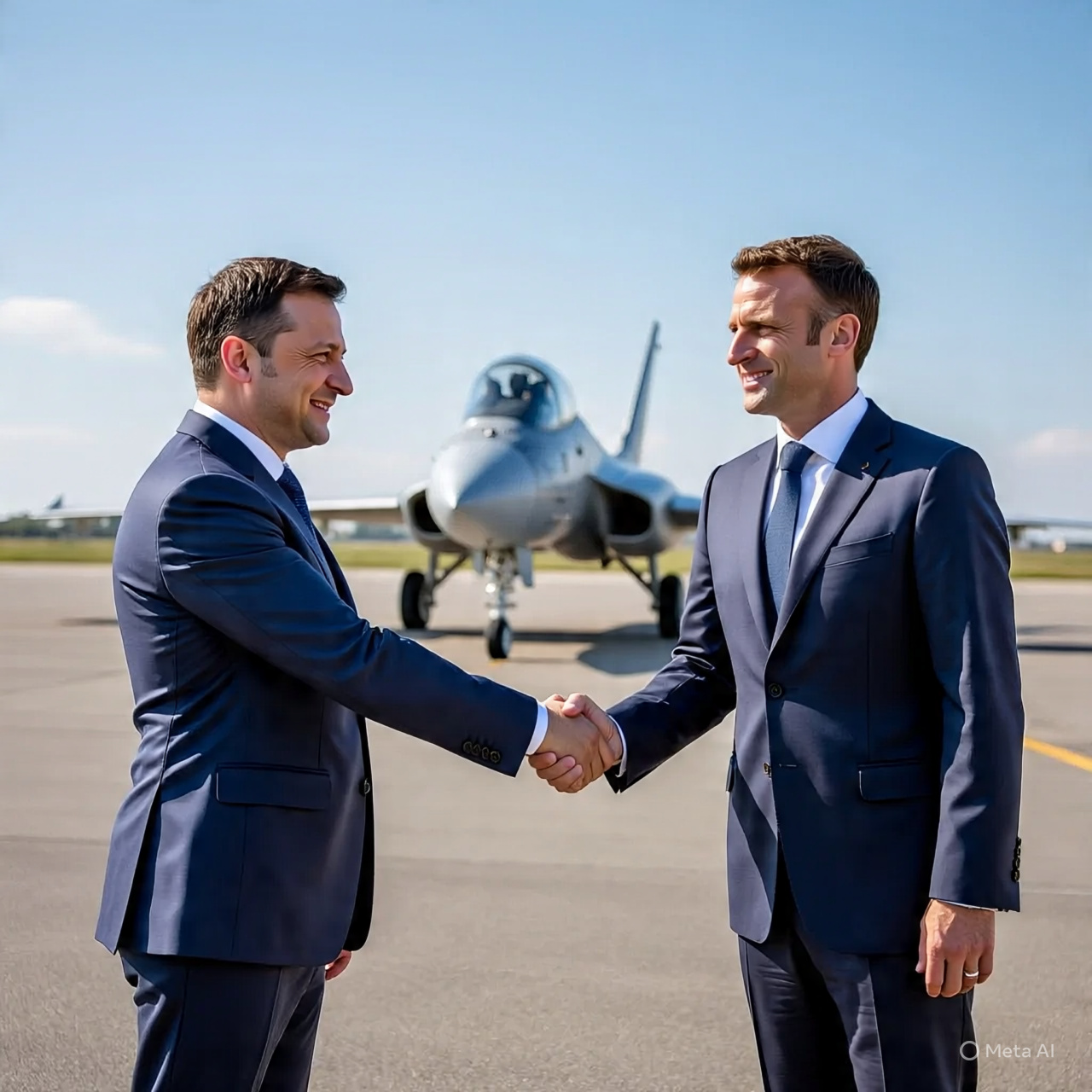
There is a stirring of ambition in the crisp Paris air — a commitment not born of whim, but of necessity. In a solemn yet hopeful moment, two leaders shook hands at Villacoublay Air Base: Volodymyr Zelenskyy and Emmanuel Macron, sharing a vision for a future where Ukraine’s skies are guarded by some of Europe’s most advanced fighters.
Ukraine has signed a letter of intent with France to acquire up to 100 Dassault Rafale warplanes over the next ten years. This deal is more than just aircraft: it includes SAMP/T air-defense systems, radar installations, drones, guided bombs, and drones that intercept other drones. Zelenskyy called the agreement “historic,” emphasizing that for Ukraine, this is not just about rebuilding — it’s about deterrence and sovereignty.
Macron echoed that sentiment, describing the pact as a “new step” in Franco-Ukrainian defense cooperation. He noted that the letter of intent paves the way for long-term industrial collaboration: training pilots, jointly working on production, and integrating critical defense industries.
Under the terms, deliveries are expected to begin in around three years, and the deal spans approximately a decade. Importantly, the agreement concerns new aircraft, not just secondhand jets drawn from French reserves. Zelenskyy painted a vivid picture: “It will be the greatest air defence, one of the greatest in the world.”
Financing remains a key question. Ukrainian and French leaders discussed tapping into EU programs and potentially using frozen Russian assets to fund the purchases. Some experts caution, though, that turning a letter of intent into a full contract will require rigorous negotiation, clear payment structures, and robust industrial planning.
On the operational side, integrating the Rafale into Ukraine’s air force represents a major leap. The Rafale is a highly capable, multirole fighter — excellent for air superiority, ground strike, and reconnaissance. But such sophistication comes with demands: pilot training, maintenance capacity, and infrastructure must all be scaled up.
Politically, the deal signals France’s strong commitment to Ukraine’s long-term security. For Kyiv, it underscores a shift from short-term arms aid to sustainable defense building — a bet on future resilience. And for Europe, it's a reminder that the war in Ukraine continues to reshape not just the battlefield, but industries, alliances, and long-term strategy.
As the ink dries on this agreement, the real work begins: turning ambition into capability, hope into deterrence. Ukraine may be signing for Rafales, but what it's drawing is a new sketch of its future — in the air, on the ground, and in the global balance of power.
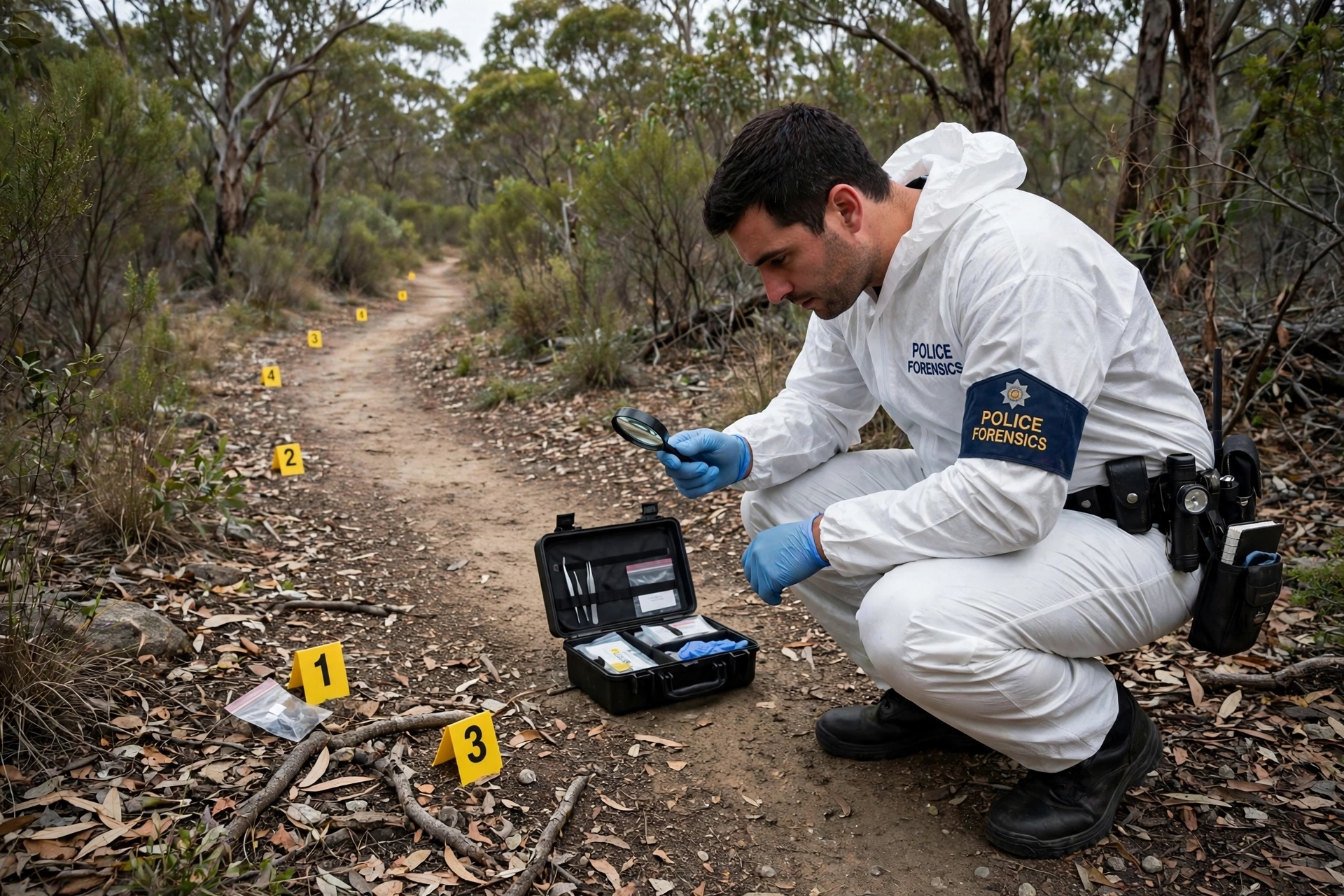
Image Disclaimer “Illustrations were produced with AI and serve as conceptual depictions, not real photographs.”
Published by Banx Network. This article is part of the Banx decentralized media programme, powered by the BXE token on the XRP Ledger.