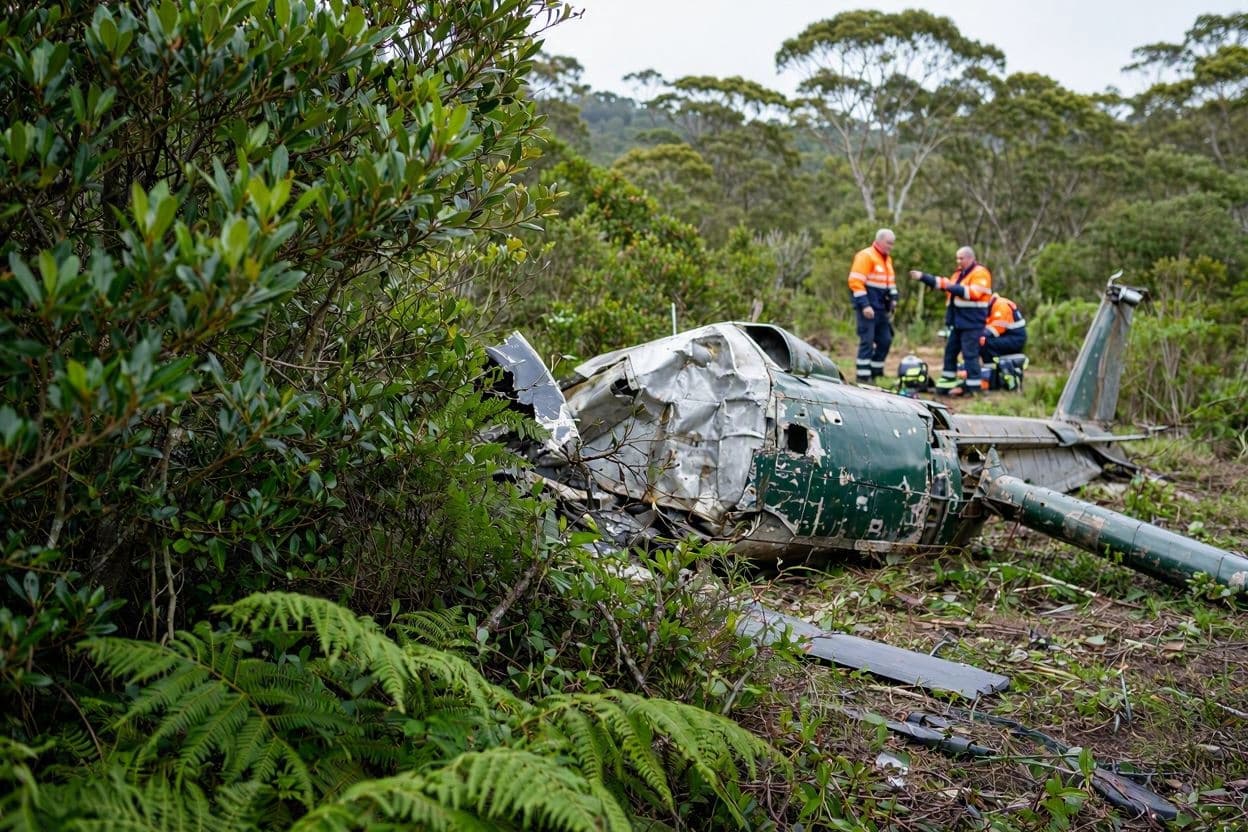
In the rugged landscapes of New South Wales’ Mid North Coast, where bushland meets the sea, a serious helicopter crash has drawn emergency services into a challenging rescue operation. The incident, which involved a Robinson R44 aircraft, highlights the inherent risks of aviation in remote and difficult terrain. While details remain emerging, the response has been swift and coordinated, reflecting the dedication of local emergency teams.
The crash occurred in dense bushland, complicating access for rescue crews. Search and rescue teams, including police and fire services, worked tirelessly to locate the wreckage and assist those on board. The terrain, characterized by steep slopes and thick vegetation, posed significant obstacles, requiring specialized equipment and expertise to navigate. Such conditions are common in the region, making aviation operations both essential and hazardous.
Early reports indicate that the pilot was the sole occupant of the aircraft. Emergency responders managed to reach the site and provide immediate medical assistance. The severity of the injuries is yet to be fully disclosed, but the incident has raised concerns about flight safety in adverse weather or mechanical conditions. Investigations will likely focus on these factors to determine the cause of the crash.
Aviation accidents in regional areas often underscore the importance of rigorous maintenance and pilot training. The Robinson R44 is a widely used light helicopter, known for its versatility but also requiring careful handling. As authorities begin their inquiry, they will examine flight records, weather data, and mechanical history to piece together the events leading up to the crash.
For the local community, such incidents are a sobering reminder of the dangers faced by those who work in the skies. Pilots, firefighters, and medical transport crews operate in challenging environments to serve the public. Their bravery and skill are often taken for granted until a tragedy occurs, prompting a renewed appreciation for their vital role.
The crash has also sparked discussions about emergency response capabilities in remote regions. Ensuring that rescue teams have the resources and training to handle such scenarios is crucial for public safety. Collaboration between state agencies and local volunteers is key to maintaining a robust response network that can act quickly when seconds count.
As the investigation proceeds, the focus remains on supporting the injured and understanding the causes of the accident. Each incident offers lessons that can improve safety standards and prevent future tragedies. In the quiet aftermath, the community stands together, hoping for recovery and reflecting on the fragility of life in the vast Australian landscape.
AI Image Disclaimer: The images used in this report are AI-generated visuals created to illustrate the context of emergency response in rural areas.
Sources: ABC News, NSW Police, Aviation Safety Network
Published by Banx Network. This article is part of the Banx decentralized media programme, powered by the BXE token on the XRP Ledger.