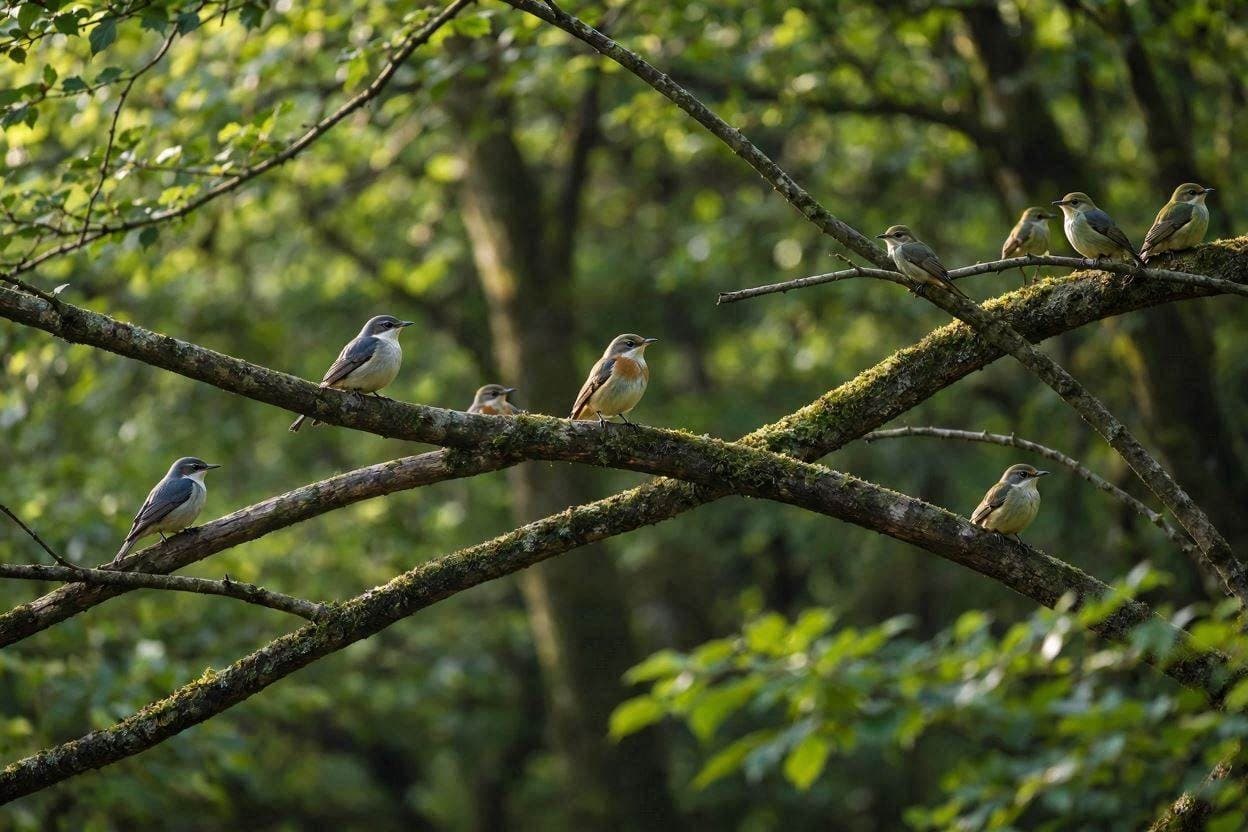
In the quiet corners of our natural world, where birds take to the sky in synchronized flocks and sing the songs of the seasons, a subtle but significant shift is occurring. Health officials have identified seven suspected cases of avian influenza, commonly known as bird flu, in native wild bird species. This development serves as a gentle reminder of the interconnectedness of ecosystems and the delicate balance that sustains wildlife. For ornithologists and conservationists, it is a moment of heightened vigilance, inviting reflection on how we monitor and protect the health of our feathered neighbors without disrupting their natural behaviors.
The detection of these cases highlights the ongoing presence of the virus in wild populations. It underscores the importance of continued surveillance and public awareness in maintaining the health of both wildlife and domestic animals.
Body: The suspected cases were identified through routine monitoring programs conducted by wildlife agencies and veterinary laboratories. Native species, which play crucial roles in pollination, seed dispersal, and pest control, are particularly vulnerable to outbreaks of highly pathogenic avian influenza (HPAI). While many wild birds can carry the virus without showing severe symptoms, others may suffer from illness or mortality, impacting local biodiversity.
Health officials emphasize that the risk to the general public remains low, provided that standard precautions are taken. People are advised to avoid direct contact with sick or dead birds and to keep pets, especially cats and dogs, away from wildlife carcasses. Simple hygiene practices, such as washing hands after being outdoors, are effective measures to prevent potential transmission.
For backyard bird enthusiasts, this news brings a mix of concern and responsibility. Feeding stations, while beloved for bringing nature closer to home, can become hotspots for disease transmission if not properly maintained. Experts recommend regular cleaning of feeders and birdbaths with a mild bleach solution to reduce the risk of spreading pathogens among visiting birds.
Domestic poultry owners are also urged to enhance biosecurity measures. Keeping birds indoors or in covered enclosures, limiting contact with wild birds, and monitoring flock health are essential steps to prevent the introduction of the virus into commercial or backyard flocks. Early detection and reporting of unusual mortality events are critical for rapid response.
The spread of HPAI in wild birds is influenced by migratory patterns, which can carry the virus across vast distances. As seasons change and birds move, so too does the potential for viral transmission. International cooperation and data sharing are vital for tracking these movements and predicting outbreak risks.
Research continues into the evolution of the virus and its impact on different species. Scientists are studying how native birds adapt to the presence of the virus and what factors contribute to resilience or susceptibility. This knowledge is key to developing effective conservation strategies and managing future outbreaks.
Community involvement plays a significant role in surveillance. Citizen scientists and bird watchers are encouraged to report sightings of sick or dead birds to local authorities. These reports provide valuable data that helps officials map the spread of the disease and allocate resources effectively.
As we navigate this situation, it is important to remain calm and informed. The presence of bird flu in native species is a natural phenomenon that requires management rather than panic. By working together, we can protect both wildlife and public health.
Closing: The identification of seven suspected bird flu cases in native species highlights the need for ongoing vigilance and responsible stewardship. It invites communities to participate in protecting wildlife health through simple, effective precautions.
AI Image Disclaimer: The visuals accompanying this article are AI-generated illustrations designed to reflect the themes of wildlife health and natural observation.
Sources: Canadian Food Inspection Agency (CFIA) Public Health Agency of Canada CBC News Global News
Published by Banx Network. This article is part of the Banx decentralized media programme, powered by the BXE token on the XRP Ledger.