Some mornings begin with the promise of sunshine and sandy beaches; others unfurl with unexpected turbulence. In the Caribbean this weekend, the gentle rhythm of tropical travel was interrupted by grounded aircraft, last‑minute cancellations, and tens of thousands of travelers left wondering when they would take flight again. What began as routine holiday travel soon transformed into a test of resilience — not just for passengers, but for the airlines that connect island paradise with the wider world.
The root of the disruption lay not in weather, but in geopolitics. A sudden U.S. military operation in Venezuela triggered emergency airspace restrictions by the Federal Aviation Administration (FAA), grounded Caribbean routes and halted hundreds of flights to destinations like Puerto Rico, Aruba, and the U.S. Virgin Islands. With crucial corridors through Venezuelan airspace closed for safety reasons, carriers complied by canceling flights en masse and urging travelers to seek alternatives.
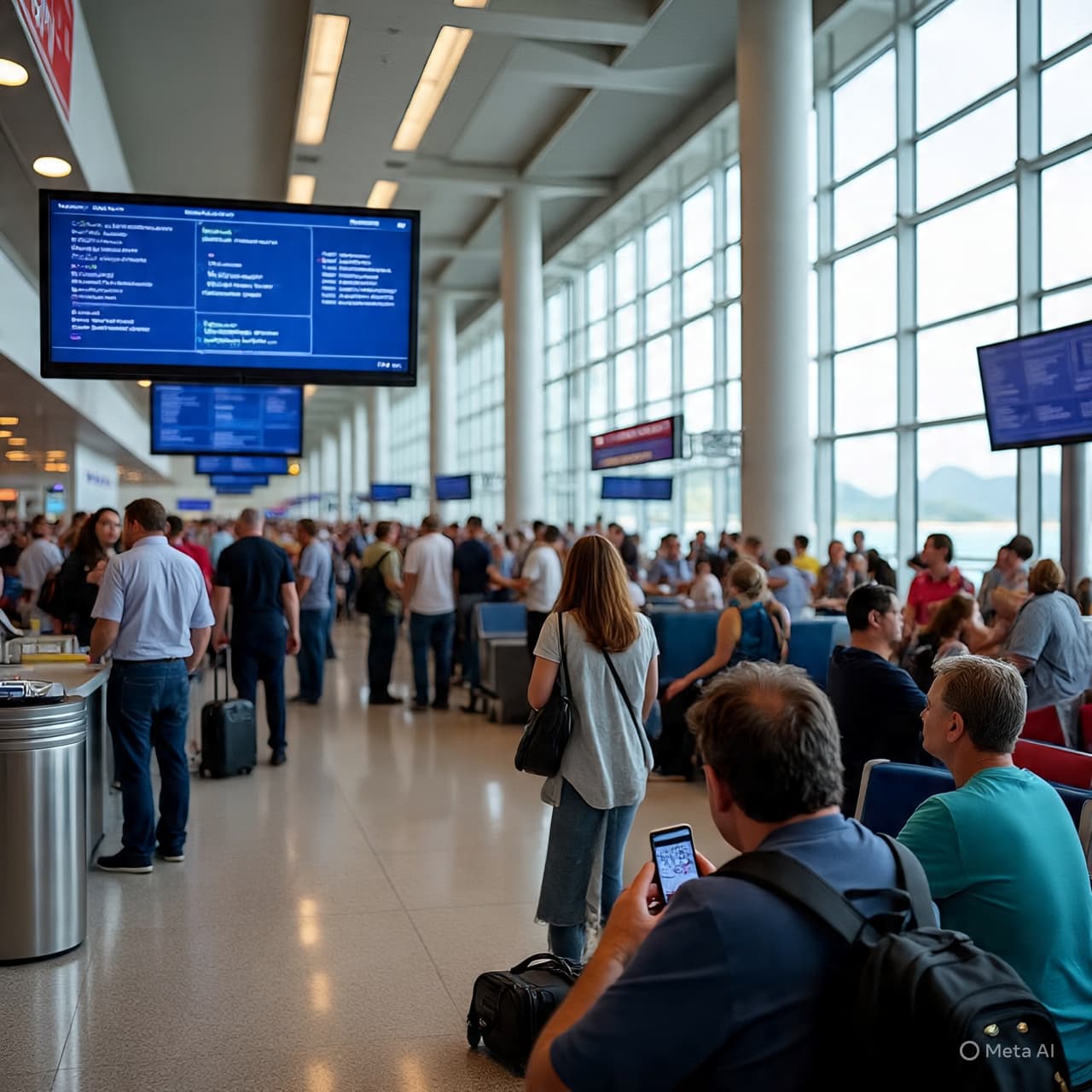
In airports from San Juan to St. Thomas, travelers dragging suitcases found their plans rewritten. Some remained stranded in terminals long after sunset, seeking rebooking options or refund waivers. Major carriers including Delta, United, American, JetBlue, Southwest and Frontier faced a logistical puzzle as they tried to re‑accommodate passengers while adjusting crews and aircraft across the region.
Then came a quiet reset: at midnight Eastern Time, the FAA let the emergency restrictions expire, allowing flights to resume — but not without lingering effects. Airlines wasted no time adding extra capacity where they could, scheduling additional flights and working to ease the backlog of travelers caught in the disruption’s wake. Southwest, for example, announced multiple extra roundtrips to key destinations within days, endeavoring to move people home and reopen the skies.
Still, the summer‑season hopes of many remain delayed. Even as skies clear and flights restart, seats are scarce and schedules tightly packed — a testament to both the fragility and adaptability of global air travel. Airlines and airports alike are left balancing the urgent need to reconnect passengers with the continuing effort to maintain safety and order in a region still healing from abrupt disruption.
In the midst of this, travelers learn anew that journeys are shaped by more than distance on a map — they are shaped by world events, by the readiness of those who run the planes, and by the flexibility of those who wait in terminals. The hope, now, is that flights will carry on, connecting islands with their visitors once more while carrying forward lessons learned in the delays and disruptions of this unusual Caribbean chapter.
AI Image Disclaimer Visuals are created with AI tools and are not real photographs.
Sources Air Data News Paddle Your Own Kanoo Travel And Tour World Reuters Related aviation reporting
Published by Banx Network. This article is part of the Banx decentralized media programme, powered by the BXE token on the XRP Ledger.