

Key Highlights
- Rapid Spread:A wind-driven wildfire near Los Angeles expanded quickly, prompting emergency responses.
- Evacuations Issued:Authorities ordered evacuations in several areas as firefighters worked to contain the blaze.
- Environmental Impact:Experts warn that wind-driven fires lead to long recovery periods and increased erosion risks.
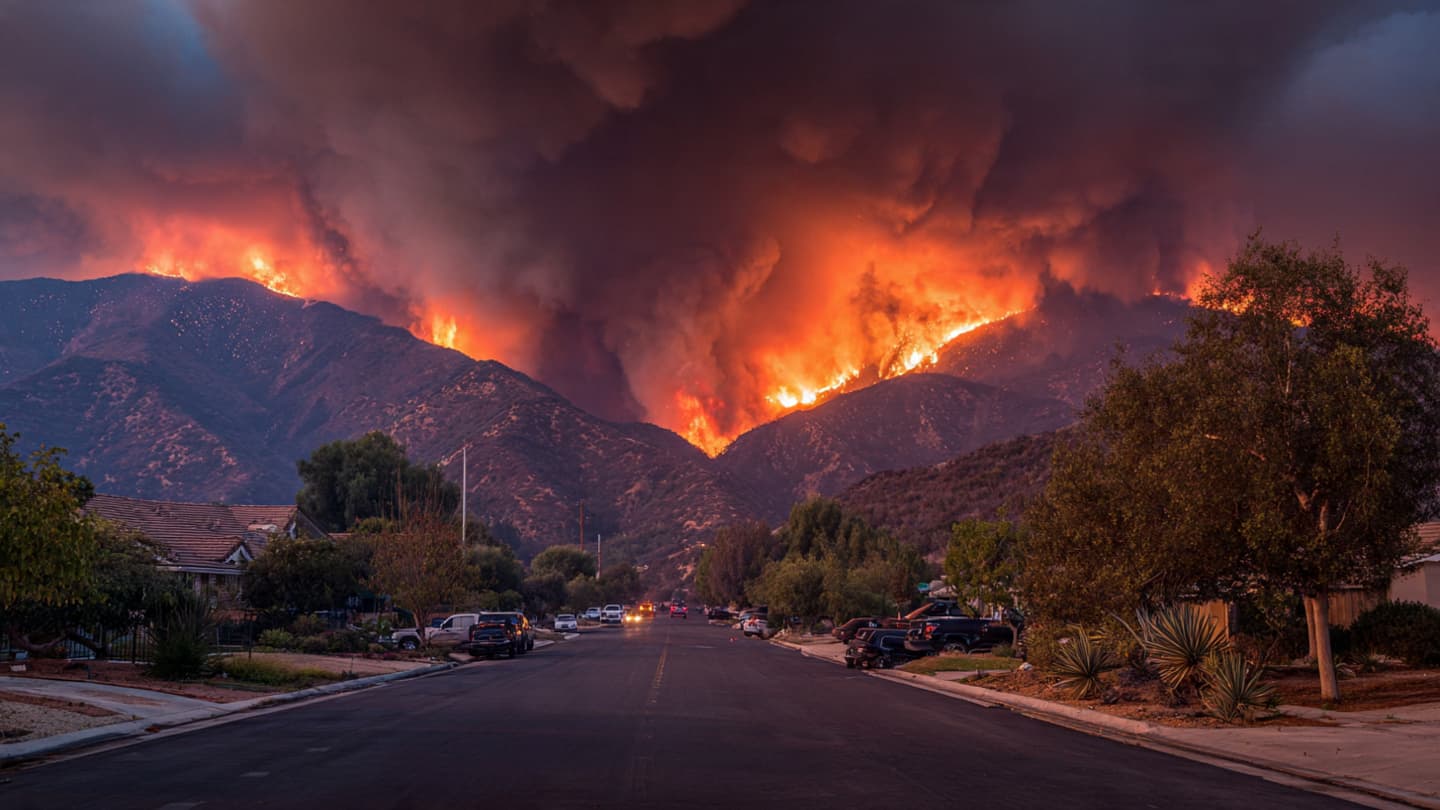
A wildfire outside Los Angeles has rapidly intensified due to strong winds, forcing local authorities to issue evacuation orders and mobilize emergency response teams. The blaze, which began in brush-covered areas, has spread quickly, creating a dangerous situation for nearby communities. Fire crews are facing challenging conditions as they work to contain the fire, which has been exacerbated by gusty winds that carry embers across dry terrain.
Evacuation orders were issued for several neighborhoods as firefighters established defensive lines to protect homes and infrastructure. Emergency shelters were set up to accommodate displaced residents, while traffic control measures were implemented to ensure safe passage for those fleeing the affected areas. Local officials are urging residents to remain vigilant and prepared for changing conditions as the situation evolves.
The wildfire season in Southern California has become increasingly severe in recent years, driven by prolonged drought, dry vegetation, and shifting climate patterns. Experts have long warned that strong seasonal winds can rapidly escalate small fires into large-scale emergencies, as seen in this latest incident. The unpredictability of weather conditions poses a significant challenge for firefighting efforts, with gusts capable of altering the fire's direction and spreading burning debris.
Aerial firefighting units have joined ground crews in their efforts to combat the blaze. Officials have highlighted the importance of maintaining a coordinated response, as the fire's rapid movement complicates containment strategies. Residents have reported skies darkened by smoke and ash, with air quality monitoring in place at local schools and public facilities.
Environmental specialists emphasize that wind-driven fires can lead to long-term ecological consequences, including habitat loss and increased erosion risks on burned hillsides. These areas may become more vulnerable during future storms or rainfall, complicating recovery efforts even after the fire is contained.
California authorities are working to balance immediate emergency responses with long-term fire prevention strategies. These include vegetation management, infrastructure upgrades, and public preparedness campaigns aimed at reducing the impact of future wildfires. Despite these efforts, each new wildfire season brings uncertainty and concern for many communities in the region.
As firefighting operations continue, officials remain focused on containing the rapidly spreading fire and ensuring the safety of residents in the affected areas.
Published by Banx Network. This article is part of the Banx decentralized media programme, powered by the BXE token on the XRP Ledger.




