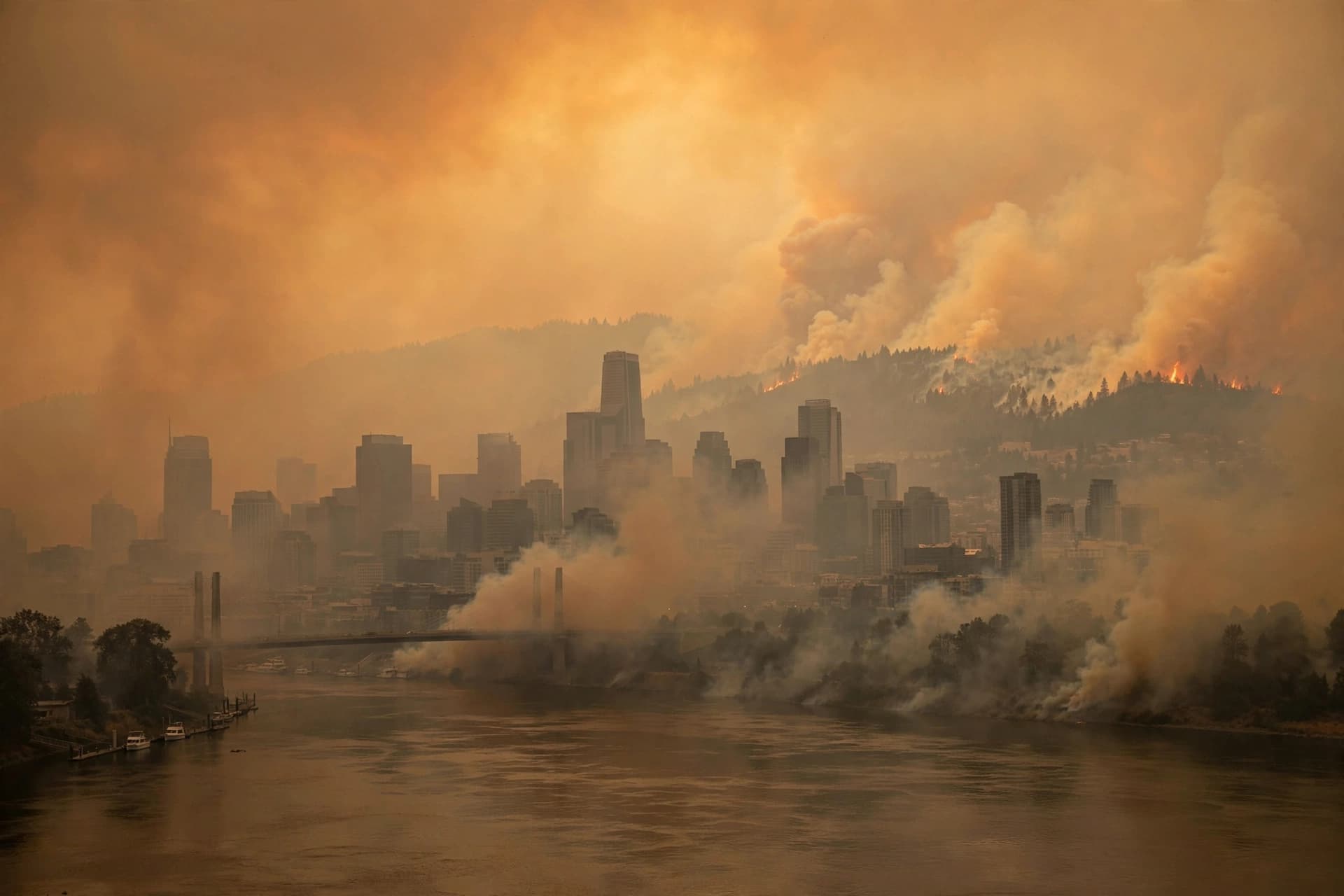
The air we breathe is often taken for granted, invisible and seemingly benign until it turns thick with smoke. In recent years, wildfires have become more frequent and intense, blanketing cities in haze and raising concerns about public health. New research indicates that the fine particulate matter in wildfire smoke is more harmful to human health than pollution from other sources, such as vehicle exhaust or industrial emissions. This finding underscores the unique danger posed by biomass burning and the need for targeted protective measures.
Wildfire smoke contains a complex mixture of gases and particles, including PM2.5, which are tiny enough to penetrate deep into the lungs and enter the bloodstream. Studies suggest that these particles are more toxic than those from urban pollution, possibly due to their chemical composition, which includes carbonaceous materials and organic compounds. Exposure to wildfire PM2.5 has been linked to higher rates of respiratory hospitalizations, cardiovascular issues, and even premature death.
The impact is not limited to those near the fire. Wind can carry smoke hundreds of miles, affecting populations far from the source. People with pre-existing conditions, such as asthma or heart disease, are particularly vulnerable, but even healthy individuals can suffer from irritation and reduced lung function. Children and the elderly are also at higher risk, making widespread awareness and protection essential during smoke events.
Public health officials are responding by updating guidelines and issuing stricter air quality warnings. Recommendations include staying indoors, using air purifiers, and wearing N95 masks when outside. Schools and businesses are increasingly adopting smoke plans to minimize exposure. These measures are crucial for reducing the immediate health burden, but they also highlight the need for long-term strategies to address the root causes of wildfires.
Climate change is a key driver of the increasing wildfire risk. Hotter temperatures and drier conditions create ideal environments for fires to start and spread. Addressing this trend requires global efforts to reduce greenhouse gas emissions and manage forests sustainably. Prevention and mitigation are just as important as response, as they can reduce the frequency and intensity of future fires. It is a multifaceted challenge that demands cooperation across sectors.
For communities accustomed to clear skies, the new reality of smoky seasons is a stark adjustment. Mental health impacts, including anxiety and stress, are also being recognized as significant consequences of prolonged smoke exposure. Support systems are needed to help people cope with the uncertainty and disruption. Building resilience involves not just physical protection but also emotional and social support.
Research continues to uncover the specific mechanisms that make wildfire smoke so dangerous. Understanding these details can help develop better treatments and preventive technologies. In the meantime, public education remains a vital tool. Knowing when to stay inside and how to filter air can save lives. Knowledge empowers individuals to take control of their health in the face of environmental hazards.
In the end, the greater risk posed by wildfire smoke is a call to action. It reminds us that air quality is a fundamental determinant of health and that protecting it requires vigilance and effort. By prioritizing clean air and addressing climate change, we can safeguard our well-being and that of future generations. The smoke may clear, but the lessons it teaches must remain.
AI Image Disclaimer: The visual aids included here are AI-generated illustrations depicting air quality concepts and health themes, not actual photographs of specific wildfire events or medical cases.
Sources: Nature Communications Yale School of Public Health EPA
Published by Banx Network. This article is part of the Banx decentralized media programme, powered by the BXE token on the XRP Ledger.