Key Highlights
- Widespread Freeze:Millions across the U.S. will experience their first freeze this weekend.
- Temperature Drops:Morning lows are expected to fall into the 30s or lower in many regions.
- Impact on Agriculture:Farmers face potential crop damage as freeze alerts are issued in several states.
This weekend marks a significant shift in weather patterns across the United States, as millions prepare for the first widespread freeze of the season. A departing storm combined with a surge of Arctic air will bring temperatures plummeting from the eastern plains to the coastal Carolinas. Frost and freeze alerts have been issued as far south as southern Alabama, signaling the end of the growing season for many.
According to the FOX Forecast Center, approximately 230 million people will experience below-average temperatures, with morning lows dipping into the 30s or lower in various areas. Major cities like Chicago are expected to feel wind chills as low as 24 degrees, while New York will see temperatures around 34 degrees. Even in Tallahassee, Florida, temperatures are forecasted to drop to 35 degrees, illustrating the extensive reach of this cold front.
What sets this freeze apart is not its severity but its timing and geographical impact. While it is not anticipated to break any records, the abrupt transition from weeks of unseasonably mild weather to freezing temperatures is striking. AccuWeather meteorologist Brandon Buckingham noted that the cold air could lead to the first hard freeze of the season in parts of the Midwest, Ohio Valley, and South starting the night of November 13. This cold front is moving eastward, coinciding with a coastal storm that may bring rain to the Northeast and snow to higher elevations.
For farmers and gardeners, the implications of this freeze are significant. Prolonged exposure to freezing temperatures can damage sensitive crops, effectively ending the growing season in many areas. The National Weather Service has issued freeze watches across eastern North Carolina, where the cold could jeopardize the last remnants of summer's harvests. In response, schools in western North Carolina have adjusted their schedules, with some moving to virtual learning and others closing or delaying start times, reflecting how deeply weather impacts daily life.
Fortunately, the cold snap is not expected to last indefinitely. The FOX Forecast Center predicts a warming trend in the central United States next week, although colder conditions may persist in the East. Lake-effect rain and snow are anticipated near the Great Lakes through November 13, with accumulating snow possible in higher elevations of New York and northern New England. This weather event serves as a reminder that the atmosphere is always in flux, transitioning from one state to another.
For those affected by the freeze alerts, practical advice remains consistent: cover sensitive plants, check on neighbors, and ensure pets are kept indoors. Beyond these practical measures lies a deeper seasonal ritual of preparation, marking the passage of time as surely as any calendar. The first freeze is not merely an emergency; it signifies a seasonal arrival, impacting millions simultaneously in the quiet hours before dawn.
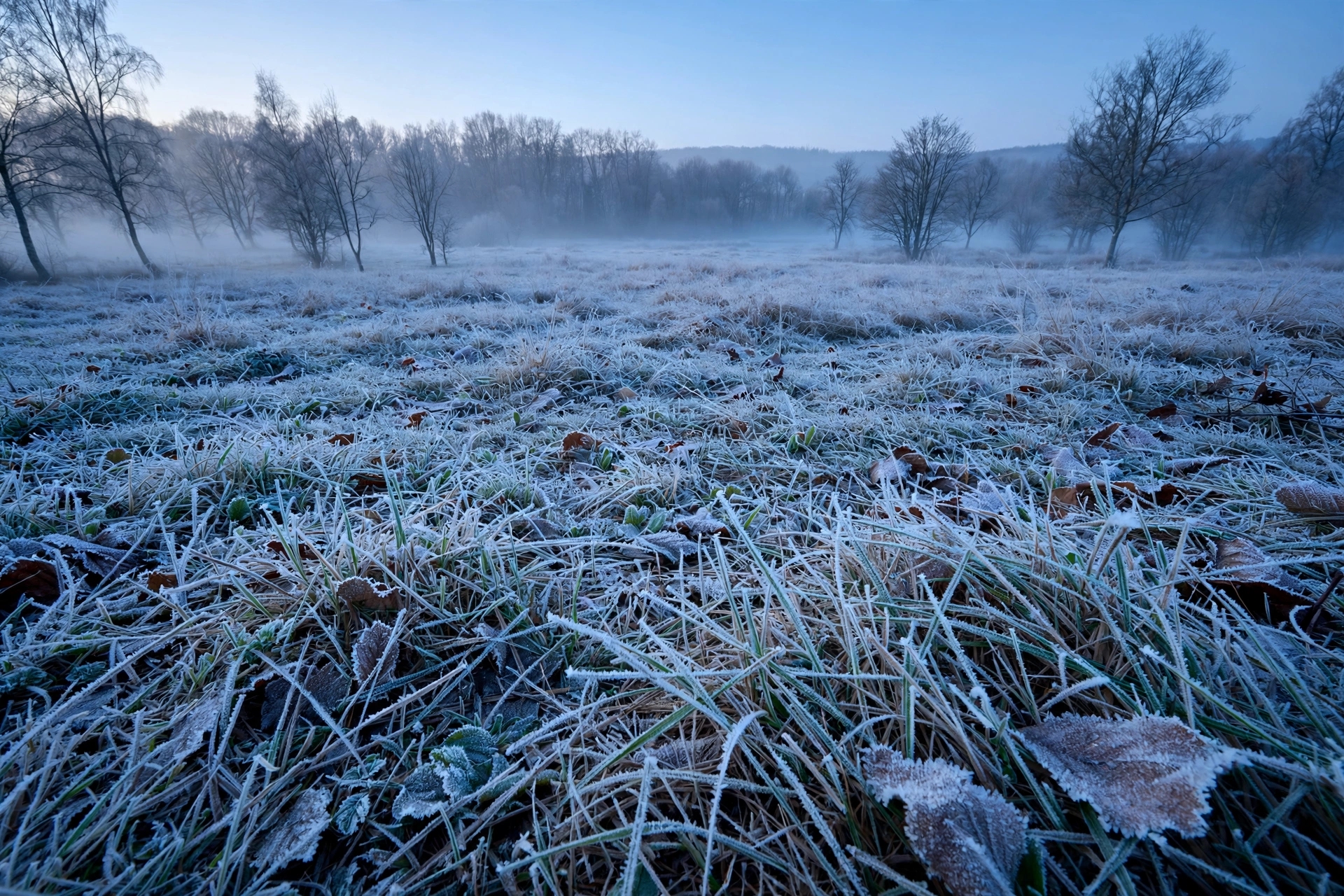
The images in this article are AI-generated illustrations and are not photographs of actual weather events.
Published by Banx Network. This article is part of the Banx decentralized media programme, powered by the BXE token on the XRP Ledger.