Key Highlights
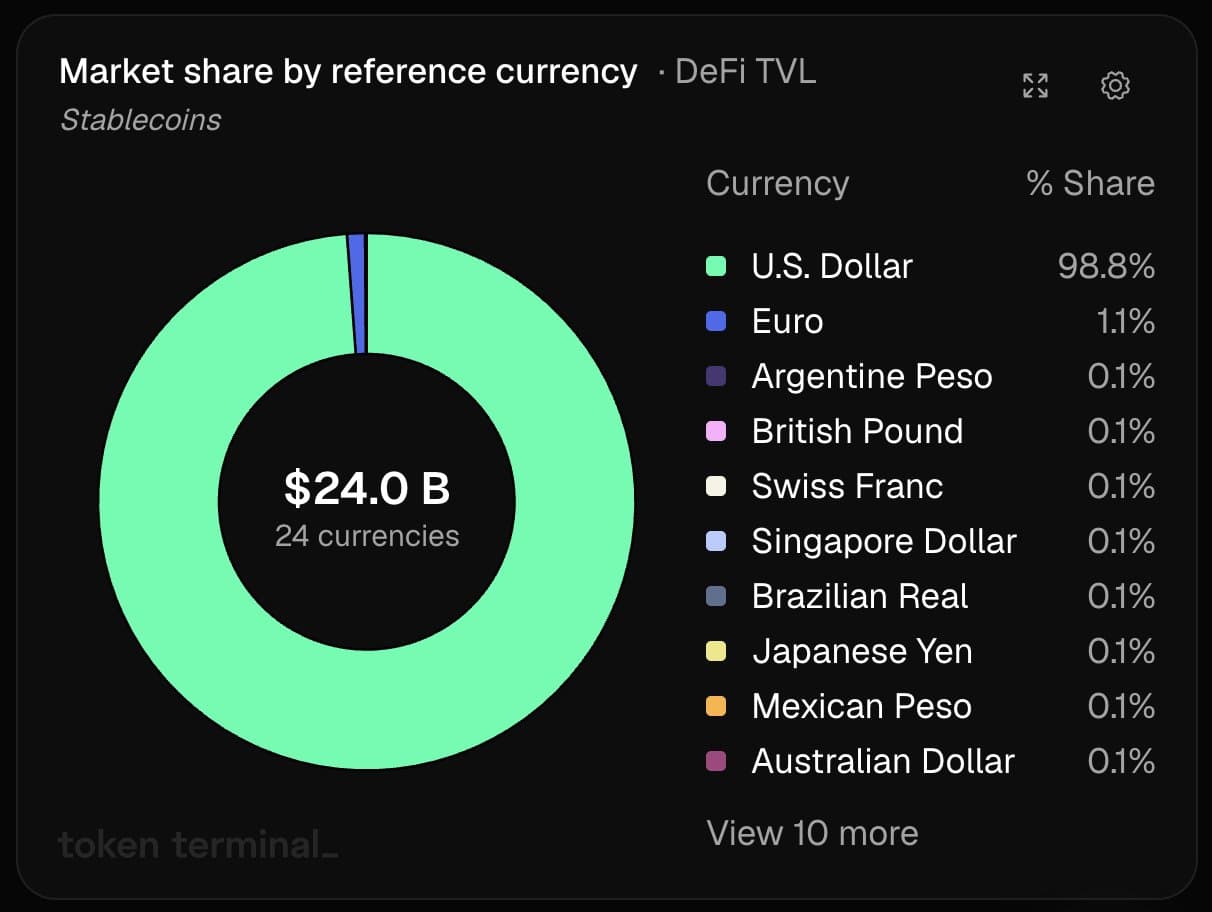
- Stablecoins are designed to mirror traditional currencies like the U.S. dollar.
- They provide stability and speed, making them essential for global transactions.
- Governments and banks are increasingly exploring stablecoins' integration into financial systems.
Stablecoins have emerged as a significant innovation within the cryptocurrency landscape, designed to maintain a stable value by pegging to traditional currencies such as the U.S. dollar. This stability is crucial for users who seek to avoid the volatility associated with other cryptocurrencies. By offering a reliable store of value, stablecoins enable users to send money across borders swiftly and efficiently, making them particularly valuable in regions where local currencies are subject to inflation and economic instability.
The adoption of stablecoins has seen remarkable growth in recent years. Businesses are increasingly leveraging these digital assets for various financial operations, including global payroll, settlement, and treasury management. For instance, remittance platforms are utilizing stablecoins to significantly reduce transfer fees, allowing users to send money to family and friends in different countries without incurring high costs. Traders also benefit from stablecoins, as they facilitate the seamless movement of capital between different exchanges and protocols, enhancing liquidity in the market.
As stablecoins gain traction, they are capturing the attention of governments and financial institutions worldwide. Some view these digital currencies as a potential threat to traditional banking systems, while others are exploring ways to incorporate stablecoins into their existing frameworks. This dual approach highlights the growing recognition of stablecoins as a legitimate financial instrument that could reshape the global economy.
In response to the rapid rise of stablecoins, regulators are working to establish comprehensive frameworks to oversee their usage and ensure the security of reserves backing these digital assets. This regulatory attention is essential for fostering trust among users and ensuring that stablecoins can operate within a safe and stable financial environment.
What is evident is that stablecoins are evolving beyond mere digital currencies; they are becoming integral to a new global financial infrastructure. With their fast, borderless, and programmable nature, stablecoins have the potential to redefine how money moves around the world, offering a glimpse into the future of finance where traditional barriers may be dismantled.
As the landscape continues to evolve, the role of stablecoins will likely expand, influencing not only individual users but also the broader financial ecosystem. Their ability to provide stability and accessibility positions them as a key player in the ongoing transformation of global finance, making it essential for stakeholders to stay informed about their development and implications.
Published by Banx Network. This article is part of the Banx decentralized media programme, powered by the BXE token on the XRP Ledger.