

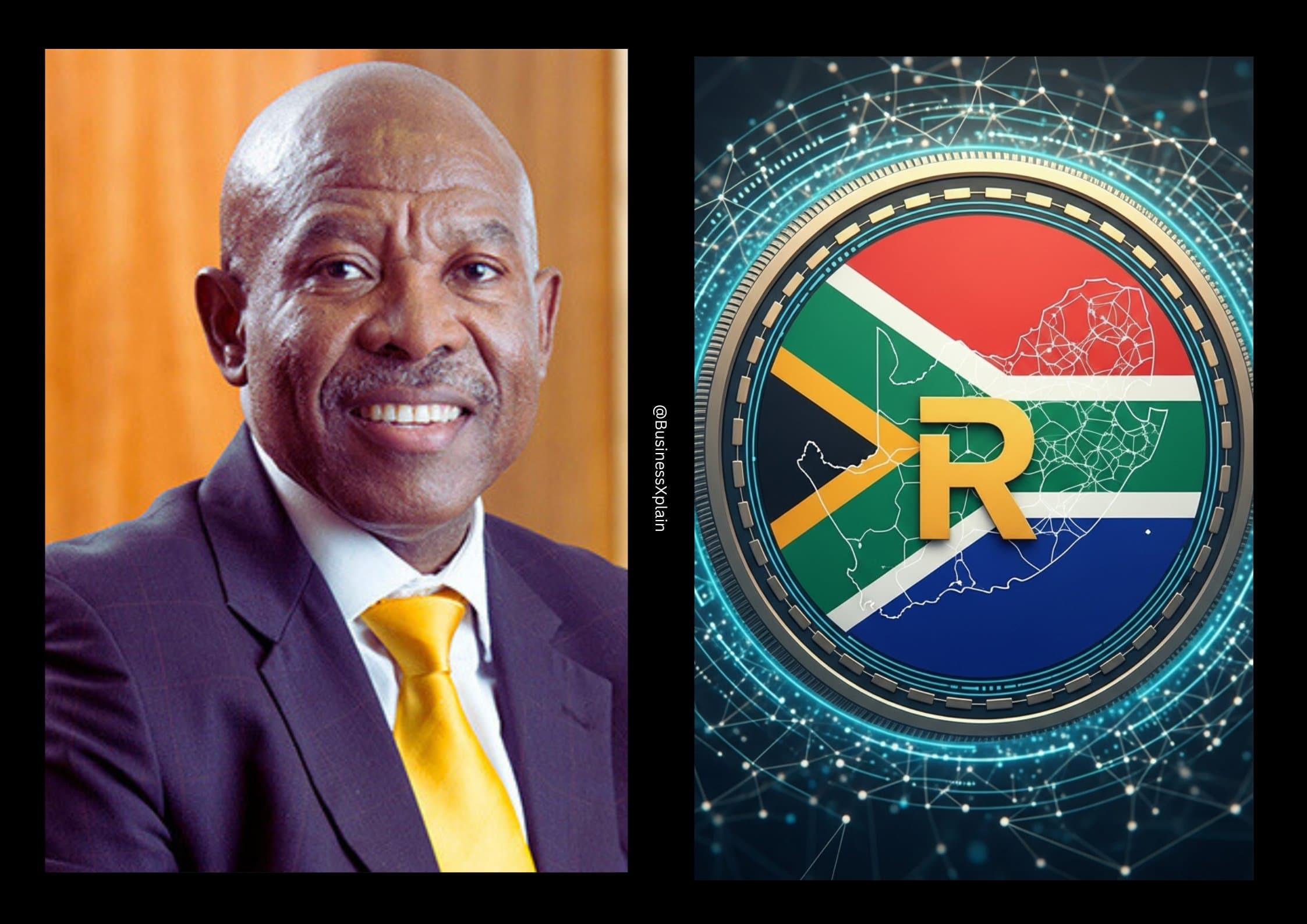
Key Highlights
- South Africa's Reserve Bank prioritizes payment infrastructure over retail CBDC.
- The country is focusing on improving financial access and inclusion.
- SARB is researching a wholesale CBDC for interbank transactions.
In the rapidly evolving landscape of Central Bank Digital Currencies (CBDCs), South Africa is taking a measured approach. While many countries are either exploring or implementing retail digital currencies, the South African Reserve Bank (SARB) has made it clear that a retail CBDC is not a priority at this time. This decision may come as a surprise to some, especially as digital payments become increasingly prevalent worldwide.
The SARB's rationale for this cautious stance is rooted in the complexities of South Africa's financial system. The bank believes that enhancing and modernizing the existing payment infrastructure is more beneficial than introducing a new form of currency. South Africa faces significant challenges regarding access and financial inclusion, and SARB is focused on addressing these issues rather than complicating the landscape with additional digital currencies.
A key distinction in the SARB's approach is its focus on a wholesale CBDC, which would facilitate transactions between banks and financial institutions rather than serving the general public. This strategy aims to improve the efficiency, speed, and security of the financial system, rather than reinventing everyday payment methods for consumers. By concentrating on interbank transactions, SARB hopes to streamline operations and enhance the overall stability of the financial sector.
SARB's decision reflects a broader understanding that digital transformation must be responsible and aligned with the country's economic realities. The introduction of a retail CBDC without clear demand or necessity could pose risks, including cybersecurity threats and potential financial displacement. By prioritizing the expansion of access to existing systems, SARB aims to foster inclusion where it is most needed.
In a world that often chases the latest digital trends, South Africa is opting for stability and long-term planning. The Reserve Bank recognizes that while a digital currency may eventually be adopted, it must be done thoughtfully and with a clear purpose. This approach underscores the importance of building a robust financial ecosystem that meets the needs of all South Africans.
Ultimately, SARB's strategy serves as a reminder that sometimes the best course of action is not to rush into new technologies, but to build wisely and ensure that any advancements serve the greater good of the economy and its citizens.
Published by Banx Network. This article is part of the Banx decentralized media programme, powered by the BXE token on the XRP Ledger.




