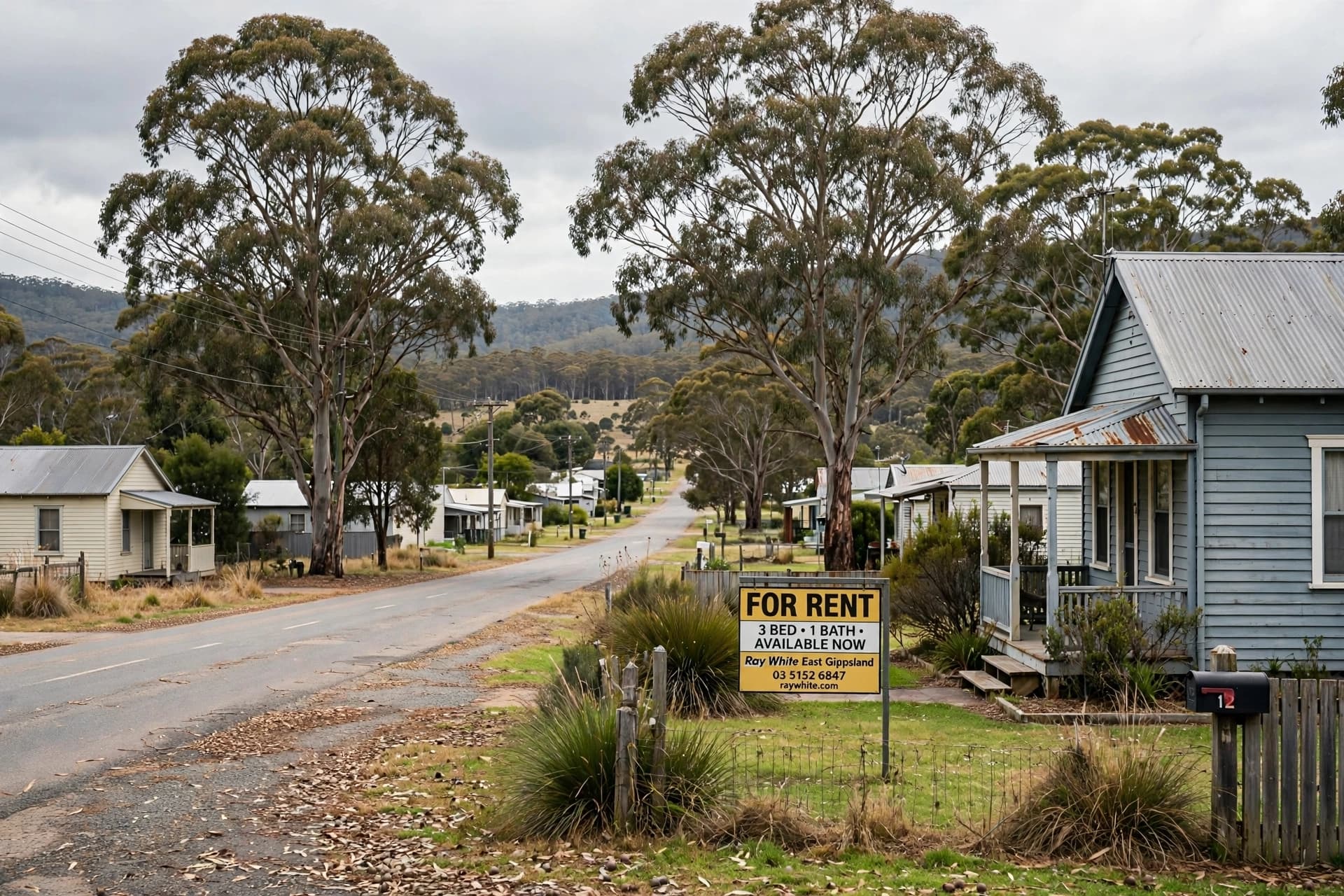
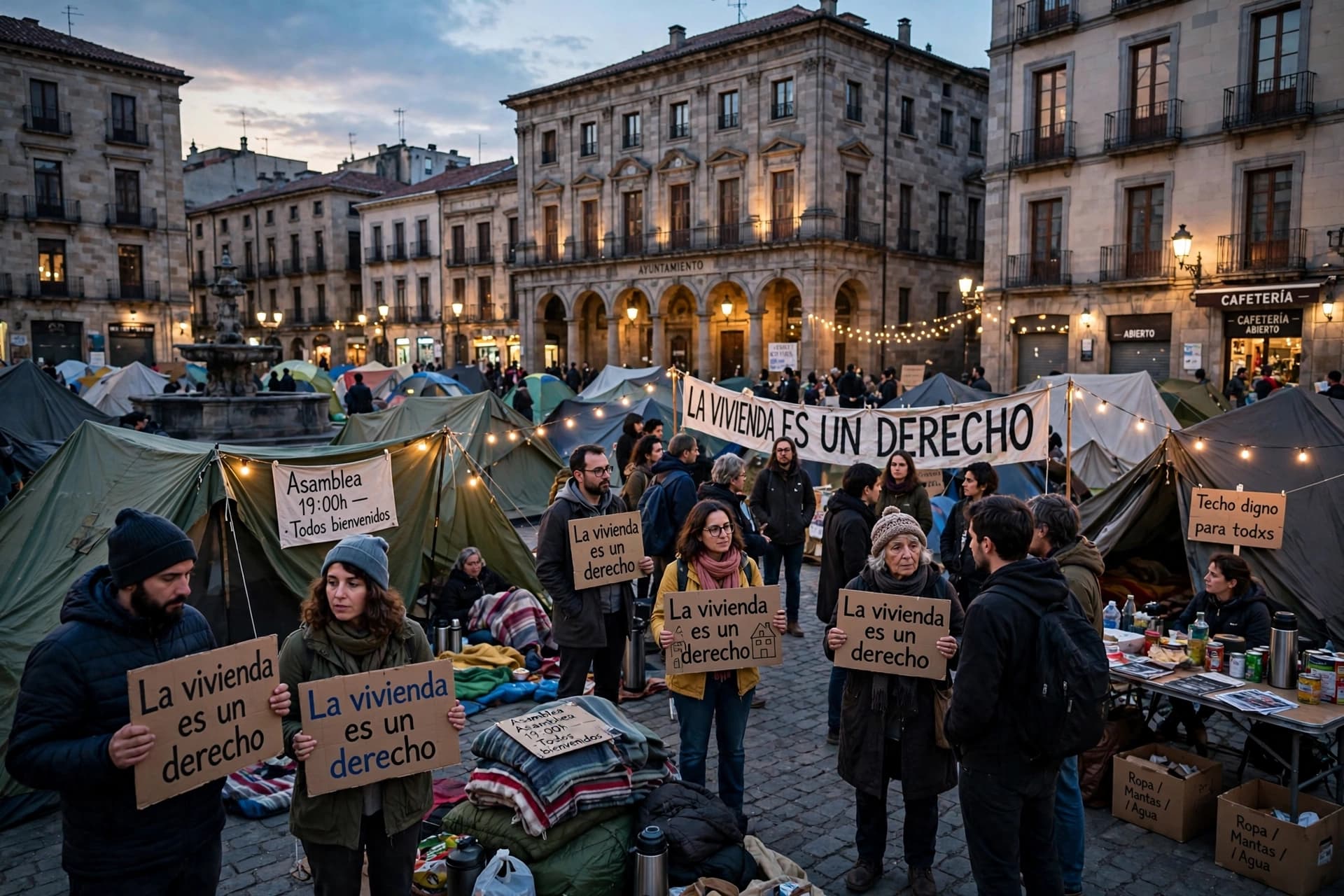
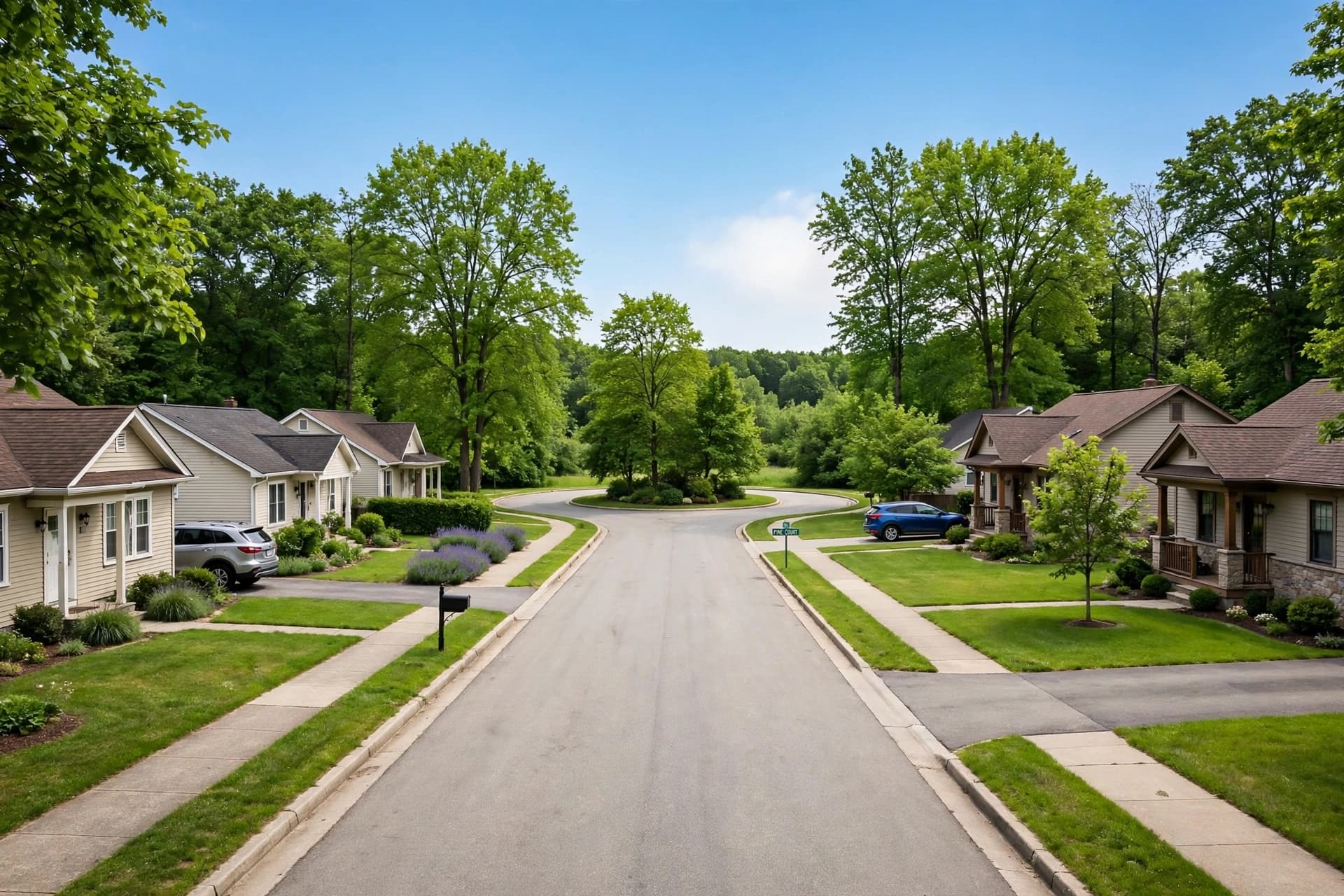
There are few places more connected to our sense of security than the home we choose — the paint on its walls, the garden where flowers lean toward the sun, the door that closes softly behind us each evening. Yet beneath that reassuring rhythm lies a system of ownership that has quietly shaped the experience of millions of British households for decades, sometimes in ways that feel less liberating and more constraining.
For many buyers, the dream of owning a home becomes entangled with the realities of leasehold contracts, a structure with roots stretching back to medieval land tenure. Under this arrangement, a homeowner may own the bricks and the right to live in them, but not the land beneath their feet — that belongs to a freeholder. This distinction can carry with it charges such as ground rents, which have, in recent years, been criticised for rising sharply, hindering the ability to sell or remortgage properties and leaving owners feeling trapped in agreements they scarcely understand.
Across the nation, leaseholds affect about a fifth of homes in England and Wales, most notably in flats but also, increasingly, in houses sold on leasehold terms. Many of those caught in this web have voiced frustration with opaque costs, escalating fees, and the limited influence they have over decisions affecting their own homes. These experiences strike at the heart of what homeownership is meant to feel like — a place under your control, not under unpredictable charge.
Yet for some, the concerns grow beyond leasehold alone. Enter the term “fleecehold,” used to describe situations where homeowners, whether leaseholders or freeholders, find themselves contractually bound to estate management companies that levy annual or ongoing charges for the upkeep of communal facilities like roads, green spaces, drainage, and street lighting. Critics argue that these fees can balloon without clear accountability or transparency, even when the work done seems minimal — leaving families uncertain of what they are paying for or why.
Last year’s Competition and Markets Authority review highlighted widespread dissatisfaction with these arrangements, noting that many residents have little recourse when management companies set charges or standards that feel arbitrary. The government has since responded with proposals aimed at enhancing protections, urging greater transparency and standards for such management companies, and even exploring ways for local councils to take on responsibility for new developments instead of leaving private firms in charge.
Against this backdrop, national political leaders have taken aim at the leasehold system as a whole. Recent reforms announced by the government — including a cap on ground rents at £250 per year, falling to a nominal “peppercorn” sum over time, and a ban on new leasehold flats — reflect a growing acknowledgment that the status quo is not fit for purpose in the 21st century.
Supporters of these reforms believe they will ease the financial burden for homeowners and simplify property ownership. Yet critics — including some freeholder groups and investors — warn these changes could undermine confidence in the housing market, potentially affecting investment and property values.
Still, for many ordinary homeowners, the debate is less about economic theory and more about the everyday reality of knowing what their home truly means when contracts seem to override their expectations. Polls in recent years have shown that a significant portion of Britons would prefer to see leasehold abolished entirely, reflecting a widespread belief that the system no longer serves those who believe they have bought a home, not a long-term tenancy with hidden costs.
In contemplating leaseholds and fleeceholds, we find ourselves asking not just about the letter of the law but about the spirit of what it means to belong to a place. If a home can feel like a cage, or like a contract waiting to squeeze more from hard-earned paychecks, then perhaps the system that created it deserves reimagining. That reimagining is underway — cautious, contested, and far from complete — but it signals a moment when the promise of home may yet come closer to its meaning in people’s lives.
AI Image Disclaimer Visuals in this article are AI-generated illustrations intended for representation, not actual photographs.
Sources : Financial Times The Guardian Sky News The Standard Yahoo News UK
Published by Banx Network. This article is part of the Banx decentralized media programme, powered by the BXE token on the XRP Ledger.