In the high-stakes arena of political campaigns, debates serve as a critical forum for candidates to present their visions and challenge their opponents. However, in the Michigan Senate race, Republican candidate Mike Rogers chose a different path, declining to participate in a televised event hosted by Fox 2 Detroit alongside his Democratic rival, Abdul El-Sayed. This decision has sparked discussion about strategy, media formats, and the evolving nature of political engagement.
Rogers’ campaign cited concerns that the event was structured more as a town hall than a traditional debate, arguing that it did not provide an equal platform for both candidates. They expressed a preference for formats that allow for direct confrontation and structured questioning, which they believe better serve the electorate. By skipping the event, Rogers aimed to control the narrative and avoid what he perceived as an unfavorable setup.
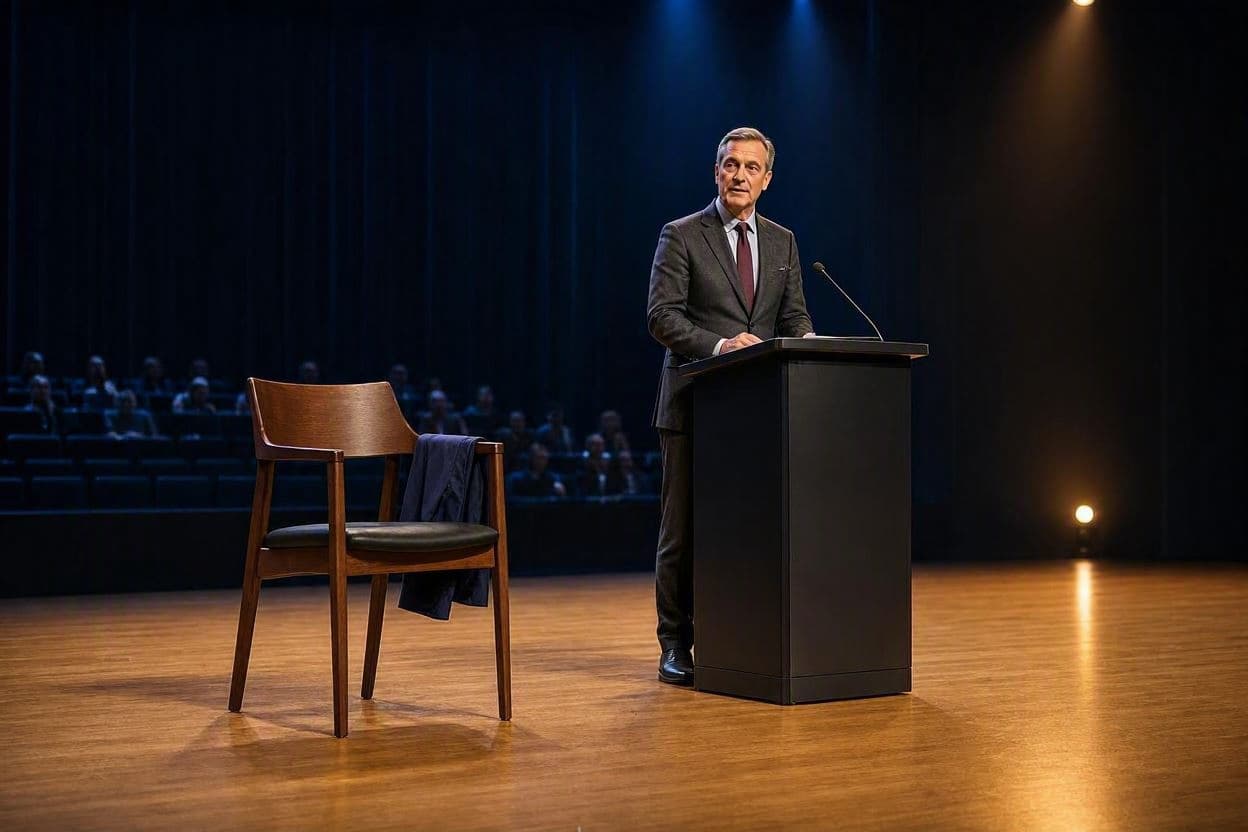
For Abdul El-Sayed, the absence of his opponent presented both a challenge and an opportunity. He used the stage to articulate his policy positions on healthcare, education, and economic development, speaking directly to voters without interruption. While some viewers appreciated his solo presentation, others noted the unusual dynamic of debating an empty podium, highlighting the asymmetry of the situation.
The decision reflects a broader trend in modern politics, where candidates increasingly curate their media appearances to maximize advantage. With the rise of social media and fragmented news consumption, traditional debates are no longer the only way to reach voters. Campaigns now weigh the risks and benefits of each appearance, often opting for controlled environments where they can deliver their message without unexpected challenges.
Critics argue that avoiding debates deprives voters of the chance to see candidates side-by-side, limiting their ability to compare policies and personalities. They contend that robust disagreement is essential for a healthy democracy, and that shying away from direct confrontation can signal a lack of confidence. For many, the debate stage is where leaders are tested, and its absence leaves questions unanswered.
Supporters of Rogers, however, view the decision as a strategic masterstroke, allowing him to focus on grassroots outreach and targeted advertising. They believe that engaging in a format they deem flawed would only legitimize it, whereas staying away keeps the focus on their own terms. This approach resonates with a base that values authenticity and direct connection over theatrical performance.
As the election approaches, the impact of this choice remains to be seen. Will voters penalize Rogers for his absence, or will they appreciate his consistency? The answer may depend on how effectively both campaigns communicate their messages in the remaining weeks. The dynamic of the race has shifted, adding another layer of complexity to an already contentious contest.
In the end, the refusal to debate is a reminder that politics is as much about perception as it is about policy. By choosing his battles, Rogers has made a statement about his priorities and his approach to leadership. Whether it proves successful will be determined by the ballots cast in November.
AI Image Disclaimer: The images accompanying this article are AI-generated artistic interpretations of political campaigning and media events, not actual photographs of the candidates or the studio.
Sources: Fox 2 Detroit CBS Detroit Fox News
Published by Banx Network. This article is part of the Banx decentralized media programme, powered by the BXE token on the XRP Ledger.