There are truths that do not arrive with thunder — they arrive quietly, through data. In the soft hum of laboratory servers, researchers have now traced a pattern woven deep within our biology: women, on average, appear to carry a higher genetic predisposition to depression than men.
The finding, published this week in Nature Genetics, stems from one of the largest genomic analyses ever conducted on mental health. By examining genetic data from nearly two million participants across Europe, North America, and East Asia, scientists found dozens of gene variants that seem to amplify the risk of major depressive disorder — and the signal, curiously, was stronger in women.
This discovery doesn’t tell the full story of despair, of course. Genes are not destiny; they are possibilities written in the language of probability. Yet what the study illuminates is how biology and social experience may conspire in ways previously underestimated.
Depression has long been recognized as more prevalent among women — nearly twice as likely, according to global health data — but separating social factors from genetic ones has been a puzzle. Hormonal differences, chronic stress exposure, and gendered expectations have often been cited as explanations. What this new study adds is a clearer biological contour: certain DNA regions linked to mood regulation and neural communication appear more active or more influential in female genetic patterns.
It is not a verdict, but an insight. And it opens difficult questions. If vulnerability is partly written in the genome, how do we translate that knowledge into empathy, not stigma? Could this understanding lead to more precise treatments — antidepressants tuned to biological sex, or early screening for those at greater risk?
Researchers caution against determinism. “Genetic risk does not mean inevitability,” one of the lead authors told The Guardian. “It means awareness — and awareness can change outcomes.”
The science of sadness, it seems, is evolving from metaphor to molecule. But behind every data point is a person — someone navigating a world still learning to treat emotional pain with the same urgency as physical illness. And perhaps that, too, is the quiet revolution: not in the genome, but in how we listen when it speaks.
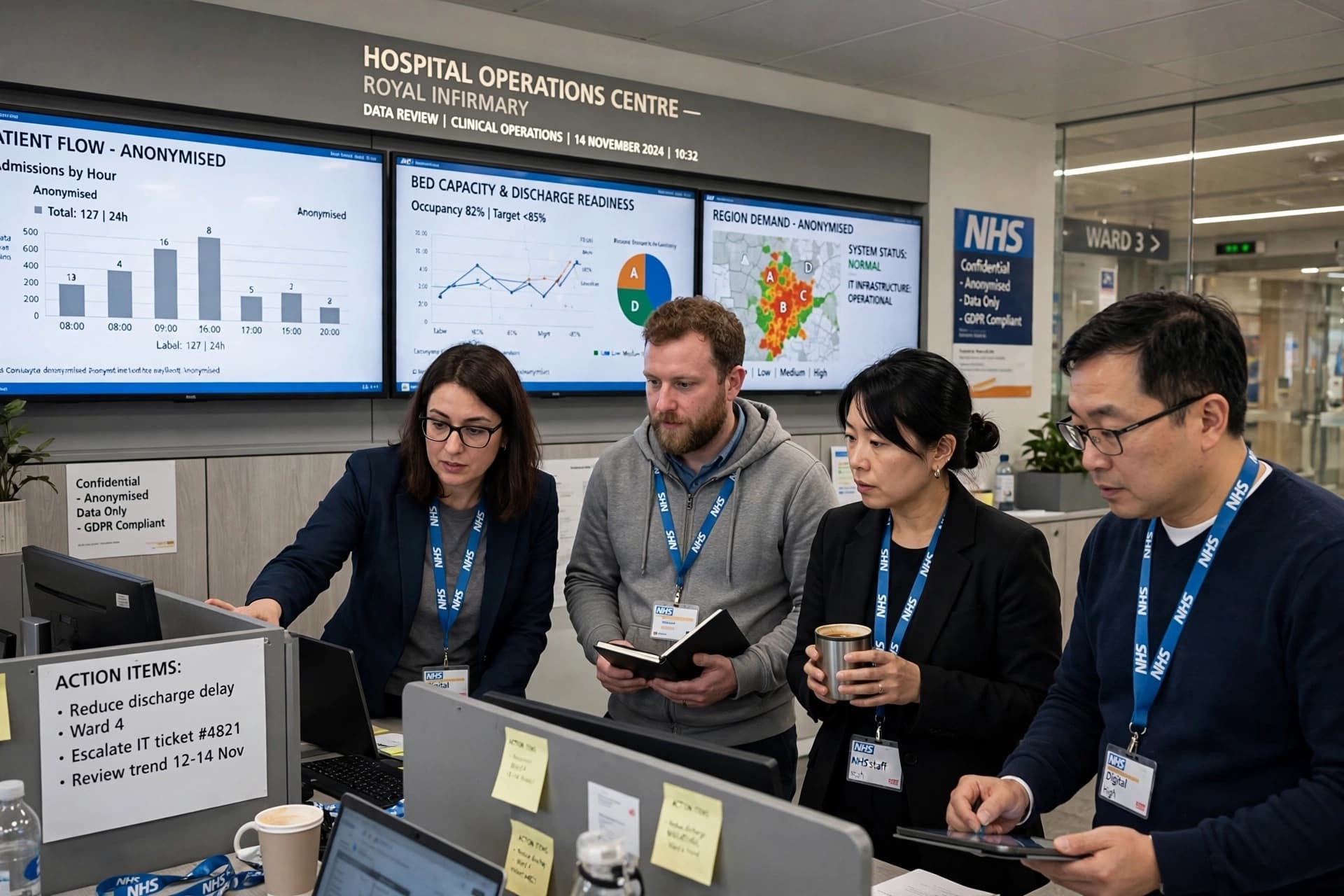
AI Image Disclaimer: This article’s images are AI-generated for illustrative purposes only and do not depict real individuals or events.
Sources: Nature Genetics, The Guardian, BBC Science, Harvard Medical School Reports
Published by Banx Network. This article is part of the Banx decentralized media programme, powered by the BXE token on the XRP Ledger.