
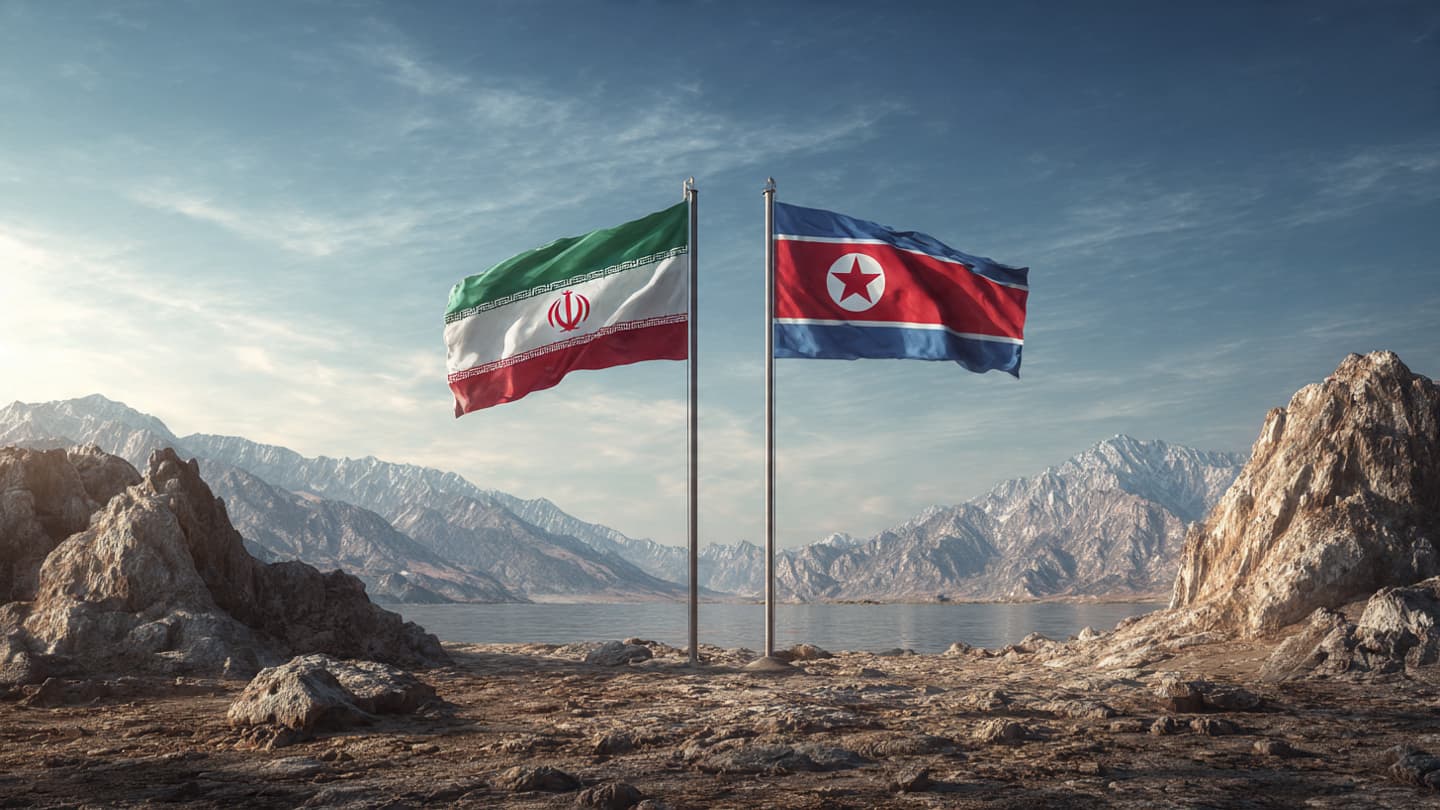
Key Highlights
- North Korea and Iran have a long-standing relationship dating back to the 1970s.
- Both nations face international sanctions, prompting alleged military cooperation.
- The U.S. has accused North Korea of aiding Iran's military capabilities.
The geopolitical landscape often reveals intricate relationships that shape global dynamics, and the connection between North Korea and Iran is a prime example. Frequently mentioned together in discussions about military technology and strategic programs, these two nations have cultivated a partnership that has drawn the attention of the international community. Their collaboration, particularly in the realm of ballistic missile technology, has been a focal point for intelligence agencies and analysts alike.
Reports from various intelligence sources and media outlets have suggested that North Korea has provided Iran with crucial technological assistance in developing its missile and defense systems. This cooperation is often viewed through the lens of mutual benefit, as both countries grapple with severe sanctions imposed by Western nations. The United States and its allies have consistently accused Pyongyang of facilitating Iran's military advancements through technology transfers and expertise, although both governments vehemently deny these allegations.
The historical context of the relationship between Tehran and Pyongyang dates back to the 1970s, with ties strengthening significantly after the Iranian Revolution. As both nations faced increasing hostility from the United States, their strategic interests began to align. Analysts suggest that their partnership is driven more by necessity than by a formal alliance, as both countries seek to bolster their military capabilities amid international isolation.
Every time Iran announces advancements in missile technology or nuclear capabilities, North Korea's name resurfaces in discussions, often as a suspected collaborator. This pattern highlights the perception of North Korea as a key player in a broader network of nations that share similar geopolitical challenges. However, the extent of their cooperation remains shrouded in ambiguity, with much of the information derived from intelligence assessments and satellite imagery that lack independent verification.
Iran maintains that its technological progress is the result of domestic innovation and investment, dismissing allegations of illicit cooperation with North Korea as politically motivated attacks against its defense initiatives. The Iranian government argues that these claims are part of a broader strategy to undermine its sovereignty and justify continued sanctions.
As the international community keeps a watchful eye on the evolving relationship between North Korea and Iran, the focus remains on compliance with sanctions and adherence to non-proliferation agreements. Despite ongoing scrutiny, there is currently no definitive public evidence to confirm the transfer of strategic technologies between the two nations, leaving the true nature of their partnership open to speculation.
In conclusion, the relationship between North Korea and Iran exemplifies the complexities of international relations in a world where geopolitical pressures often drive unlikely alliances. As both countries navigate their respective challenges, their interactions will continue to be a subject of interest for policymakers and analysts alike.
Published by Banx Network. This article is part of the Banx decentralized media programme, powered by the BXE token on the XRP Ledger.



