In the complex web of international trade, where economic interests and political principles often collide, British Columbia has drawn a firm line in the sand. Premier David Eby has declared that American alcohol will remain absent from provincial liquor store shelves as long as U.S. tariffs continue to target Canadian industries. This decision, rooted in a strategy of reciprocal pressure, transforms consumer choices into a tool of diplomatic leverage. It is a stance that reflects both frustration and resolve, signaling that B.C. is willing to endure short-term inconvenience for long-term fairness.
The boycott began in early 2025, following the imposition of tariffs on Canadian softwood lumber and other goods by the United States. In response, the B.C. government removed all U.S.-made beer, wine, and spirits from its stores, a move that significantly reduced sales of American products by over 80 percent. Premier Eby has consistently maintained that this measure is not permanent but conditional, tied directly to the removal of unfair trade barriers. His recent statements reaffirm this position, stating there is "no chance in hell" of reversing the ban while tariffs remain in place.
For consumers, the absence of familiar American brands has required adjustment. Many have turned to local alternatives, boosting sales for B.C. breweries and distilleries. This shift has inadvertently supported the provincial economy, creating a silver lining to the trade dispute. However, some residents miss the variety and specific tastes of U.S. products, highlighting the personal impact of geopolitical decisions. The boycott serves as a daily reminder of the broader economic tensions affecting the region.
The U.S. administration has faced criticism for its tariff policies, which many Canadians view as punitive and unjustified. By maintaining the alcohol ban, B.C. aims to keep pressure on Washington to negotiate in good faith. The strategy relies on the assumption that American producers, particularly those in states with significant political influence, will lobby for the removal of tariffs to regain access to the Canadian market. It is a calculated gamble on the power of economic interdependence.
Critics argue that such measures may harm bilateral relations further or hurt small businesses that rely on cross-border trade. However, Premier Eby emphasizes that the primary goal is to protect Canadian jobs and industries from unfair competition. The government has framed the issue as one of sovereignty and economic justice, appealing to public sentiment in support of local workers. This narrative has helped to sustain public backing for the boycott despite minor inconveniences.
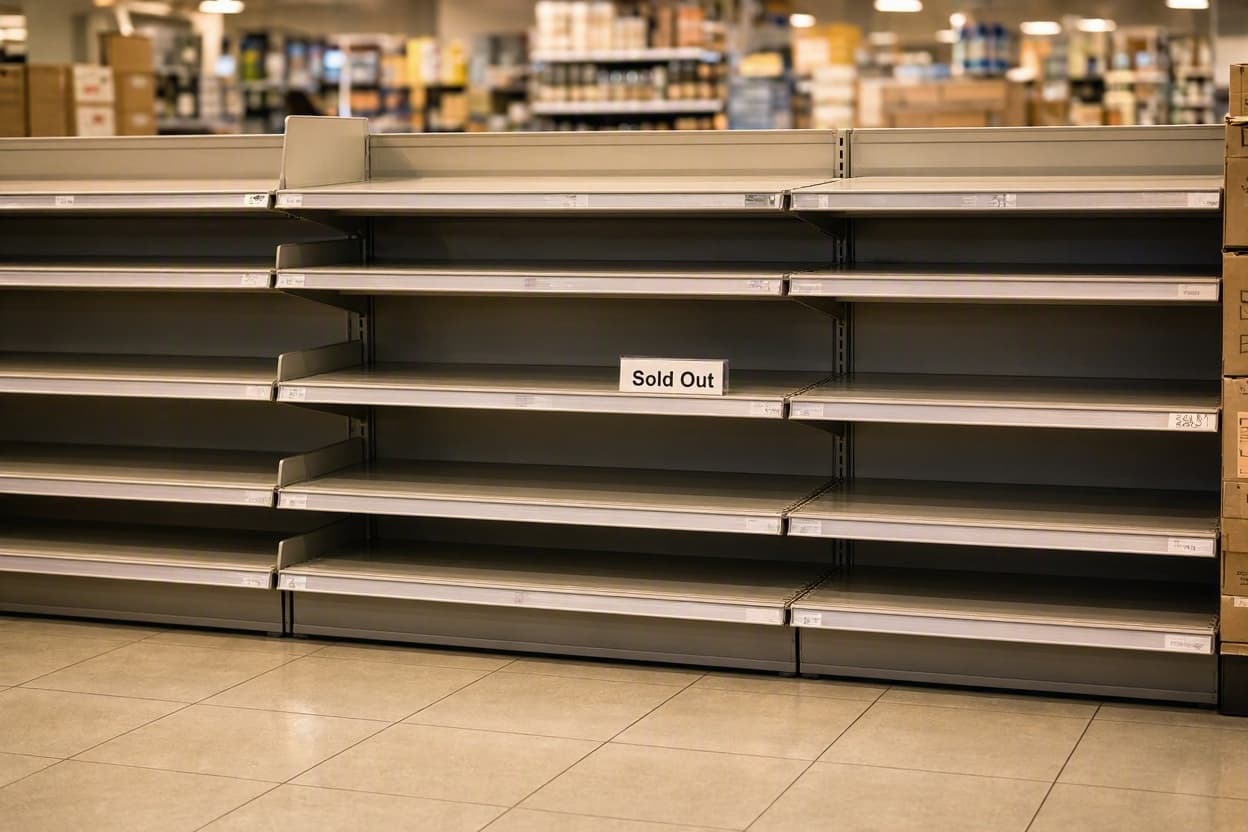
Trade negotiations between Canada and the U.S. are ongoing, with both sides seeking a resolution that benefits their respective economies. The alcohol ban remains a visible symbol of the current stalemate, representing B.C.’s unwillingness to accept unilateral penalties. As talks progress, the status of U.S. alcohol on shelves will likely be a key indicator of diplomatic thawing. Until then, the empty spaces in liquor stores serve as a silent protest.
Local producers have benefited from increased shelf space and consumer interest. Many B.C. brands have seen a surge in popularity, as residents actively choose domestic options. This trend supports the provincial government’s broader goals of promoting local industry and sustainability. It demonstrates how trade disputes can inadvertently foster innovation and growth in domestic sectors.
Premier David Eby’s steadfast refusal to return U.S. alcohol to B.C. shelves underscores the province’s commitment to fair trade practices. While the boycott imposes minor restrictions on consumers, it serves as a powerful message in ongoing negotiations. As the situation evolves, the presence or absence of American liquor will remain a barometer of Canada-U.S. trade relations.
AI Image Disclaimer: The images associated with this report are AI-generated visualizations created to provide context and should not be interpreted as documentary evidence.
Sources: CBC News British Columbia Vancouver Sun CTV News Vancouver Global News Business in Vancouver
Published by Banx Network. This article is part of the Banx decentralized media programme, powered by the BXE token on the XRP Ledger.