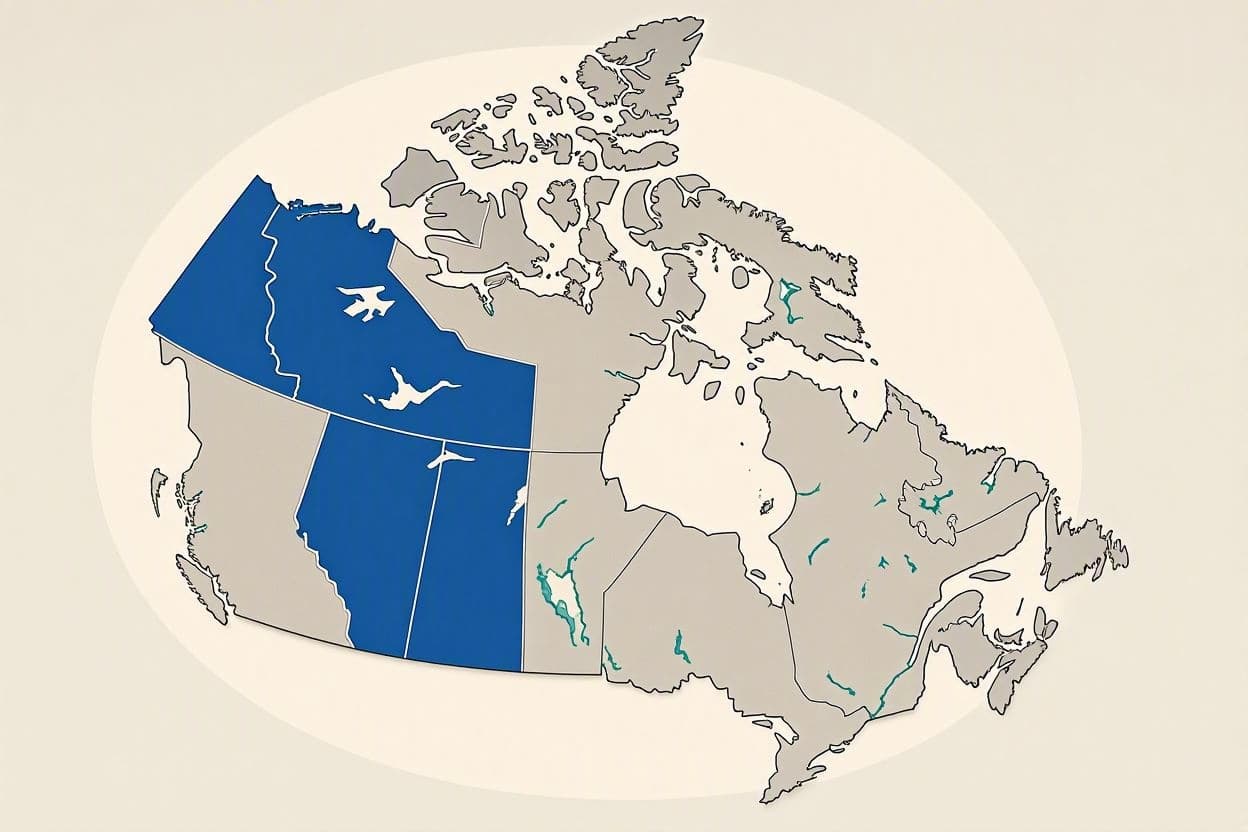
In the political landscape of Canada, few figures command as much attention as Prime Minister Mark Carney. With a background in global finance and a steady hand during crises, Carney represents a vision of unity and economic stability. However, for Alberta’s separatist movement, his presence poses a unique challenge. His pragmatic approach and emphasis on national cohesion clash with the rhetoric of division, creating a dynamic that complicates the push for independence. It is a contest of ideologies, played out on the stage of federal-provincial relations.
Carney’s experience with Brexit as head of the Bank of England informs his perspective on separation. He understands the economic complexities and uncertainties that accompany such moves, viewing them as risky ventures rather than viable solutions. For Albertans considering secession, his warnings carry weight, particularly when framed in terms of investment and global standing. He argues that stability attracts capital, while uncertainty repels it, a lesson drawn from international markets.
The separatist movement in Alberta, often referred to as "Wexit," has gained traction in recent years, fueled by grievances over energy policy and federal regulations. Leaders like Premier Danielle Smith have leveraged this sentiment to negotiate better terms for the province. However, Carney’s refusal to entertain the threat of separation as a bargaining chip weakens their leverage. By dismissing it as a "dangerous bluff," he removes the power of the ultimatum.
This stance has created tension between Ottawa and Edmonton, with separatists feeling marginalized. They argue that their concerns are valid and deserve serious consideration, not dismissal. Yet, Carney’s approach is to address the underlying issues through dialogue and policy adjustment, rather than conceding to demands for independence. This strategy aims to heal divisions by focusing on shared interests and mutual benefits.
For moderate conservatives in Alberta, Carney’s position presents a dilemma. Some support separatism as a tactical tool, hoping to force federal concessions. Others worry that pushing too hard could lead to unintended consequences, such as economic isolation. Carney’s calm demeanor and rational arguments appeal to this latter group, offering a path forward that preserves unity while addressing regional needs.
The media coverage of this dynamic often highlights the contrast between Carney’s technocratic style and the populist fervor of separatists. While the latter rely on emotional appeals and historical grievances, Carney focuses on data and long-term planning. This difference in communication styles influences public opinion, with many voters preferring stability over radical change. It is a battle of narratives, each vying for the hearts and minds of Albertans.
Looking ahead, the relationship between Alberta and the federal government will remain complex. Separatists will continue to advocate for their cause, while Carney will strive to maintain national unity. The outcome depends on the ability of both sides to find common ground and work toward solutions that benefit all Canadians. Dialogue, rather than confrontation, is key to resolving these deep-seated issues.
In the end, the "Mark Carney problem" for separatists is one of credibility and reality. His expertise and authority make it difficult to dismiss his warnings about the risks of separation. As the debate continues, let it be guided by reason and respect, ensuring that the future of Canada is built on collaboration rather than division. The strength of the nation lies in its unity.
Note: The accompanying images are AI-generated visualizations intended to reflect the political themes of unity and debate.
Sources: Politico Canada, The Hub, National Post, The Walrus
Published by Banx Network. This article is part of the Banx decentralized media programme, powered by the BXE token on the XRP Ledger.