
Key Highlights
- Investigation Launched:French courts are investigating two activists for alleged complicity in obstructing humanitarian aid to Gaza.
- Legal Precedent:The case marks a significant legal examination of humanitarian obstruction amid the ongoing Gaza conflict.
- Activists Targeted:Nili Kupfer-Naouri and Rachel Touitou face judicial summonses linked to their actions at key border points.
In a significant legal development, French courts have initiated an investigation into two activists accused of complicity in obstructing humanitarian aid destined for Gaza. This investigation, which began in the spring of 2025, has drawn international attention and raises profound questions about the intersection of humanitarian law and national jurisdiction. The judicial summonses, known as mandats d’amener, were issued against Nili Kupfer-Naouri and Rachel Touitou, both of whom are Franco-Israeli citizens residing in Israel.
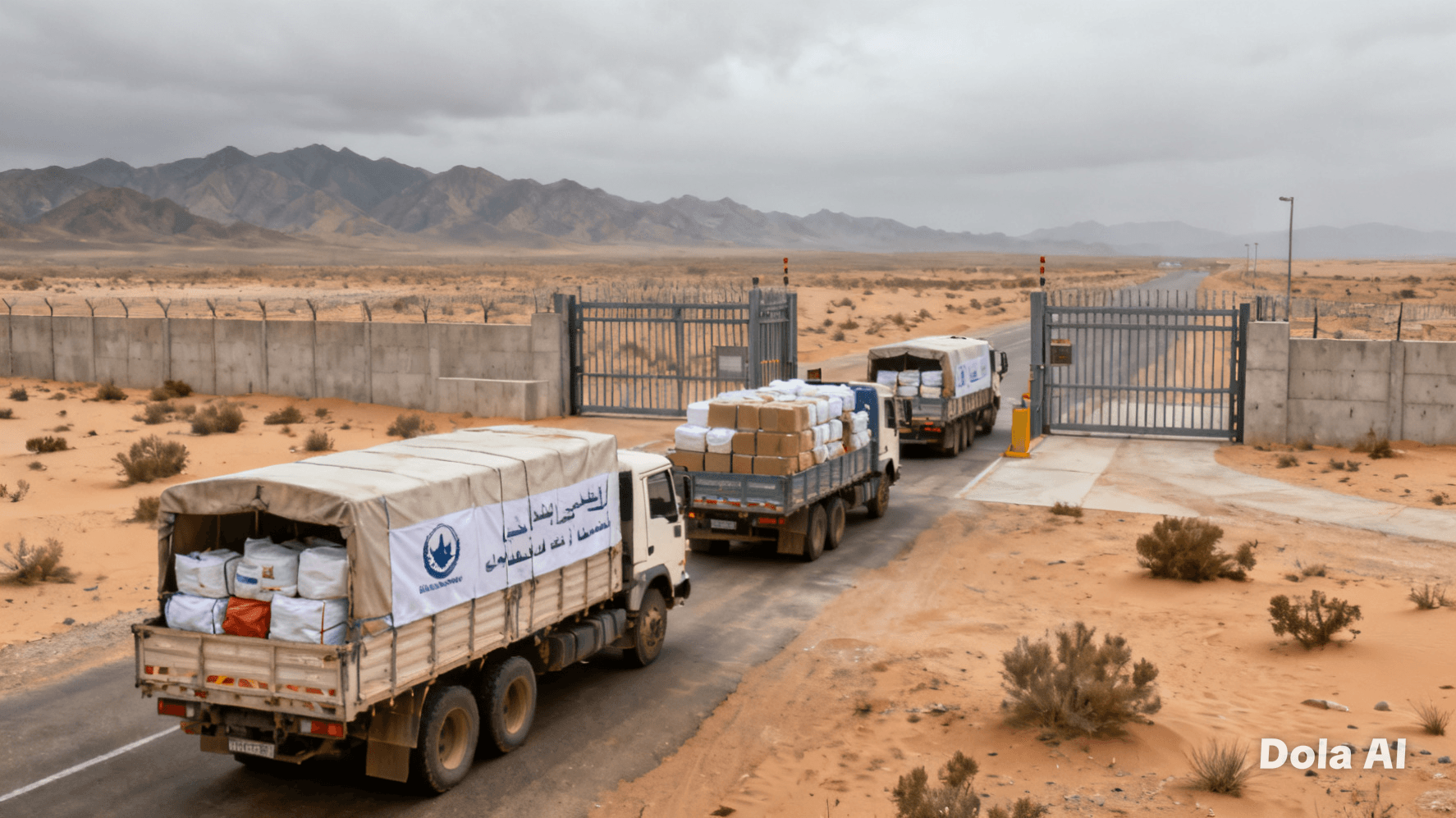
The allegations stem from actions taken by the activists at critical border points, including Nitzana and Kerem Shalom, during the years 2024 and 2025. French judicial sources indicate that the investigation was prompted by formal complaints from human rights organizations, which argue that the obstruction of aid could meet the legal threshold for complicity in genocide. This unprecedented legal inquiry is seen as a potential turning point in how humanitarian obstruction is treated under French law.
The mandats d’amener, while similar to arrest warrants, are distinct in that they compel individuals to appear before a magistrate without necessarily leading to detention. This legal mechanism allows investigative judges to act without prior approval from the national anti-terror prosecutor, highlighting the gravity of the situation.
Legal representatives for the plaintiffs, including those from Palestinian human rights organizations, have characterized this case as historically significant. They argue that it establishes a framework for judicial examination of humanitarian aid obstruction in the context of the Gaza conflict. Conversely, defense attorneys for Kupfer-Naouri and Touitou caution against the potential political ramifications of the case, suggesting that it could exacerbate tensions within communities.
As the legal proceedings unfold, the activists have expressed concerns about the implications of their summonses. They emphasize the delicate balance between activism and accountability during humanitarian crises. While some human rights advocates view the inquiry as an opportunity for increased international scrutiny, others fear that the legal interpretations could overshadow the intended humanitarian efforts.
The ongoing Gaza conflict has created a complex backdrop for this legal case, intertwining issues of grief, accusation, and the quest for justice. As the judiciary navigates these turbulent waters, it reflects broader dilemmas faced by nations grappling with the responsibilities of humanitarian law amidst ongoing violence.
As the situation develops, the world watches closely, interpreting the implications of this case for future humanitarian efforts and legal accountability in conflict zones. The outcome may set a precedent for how similar cases are handled in the future, potentially influencing international norms regarding humanitarian aid and legal responsibility.
Published by Banx Network. This article is part of the Banx decentralized media programme, powered by the BXE token on the XRP Ledger.



