
Key Highlights
- The Strait of Hormuz is a critical maritime chokepoint for global oil shipments.
- Mojtaba Khamenei's recent remarks challenge U.S. presence in the Gulf.
- Regional dynamics involve cooperation and competition among Gulf states.
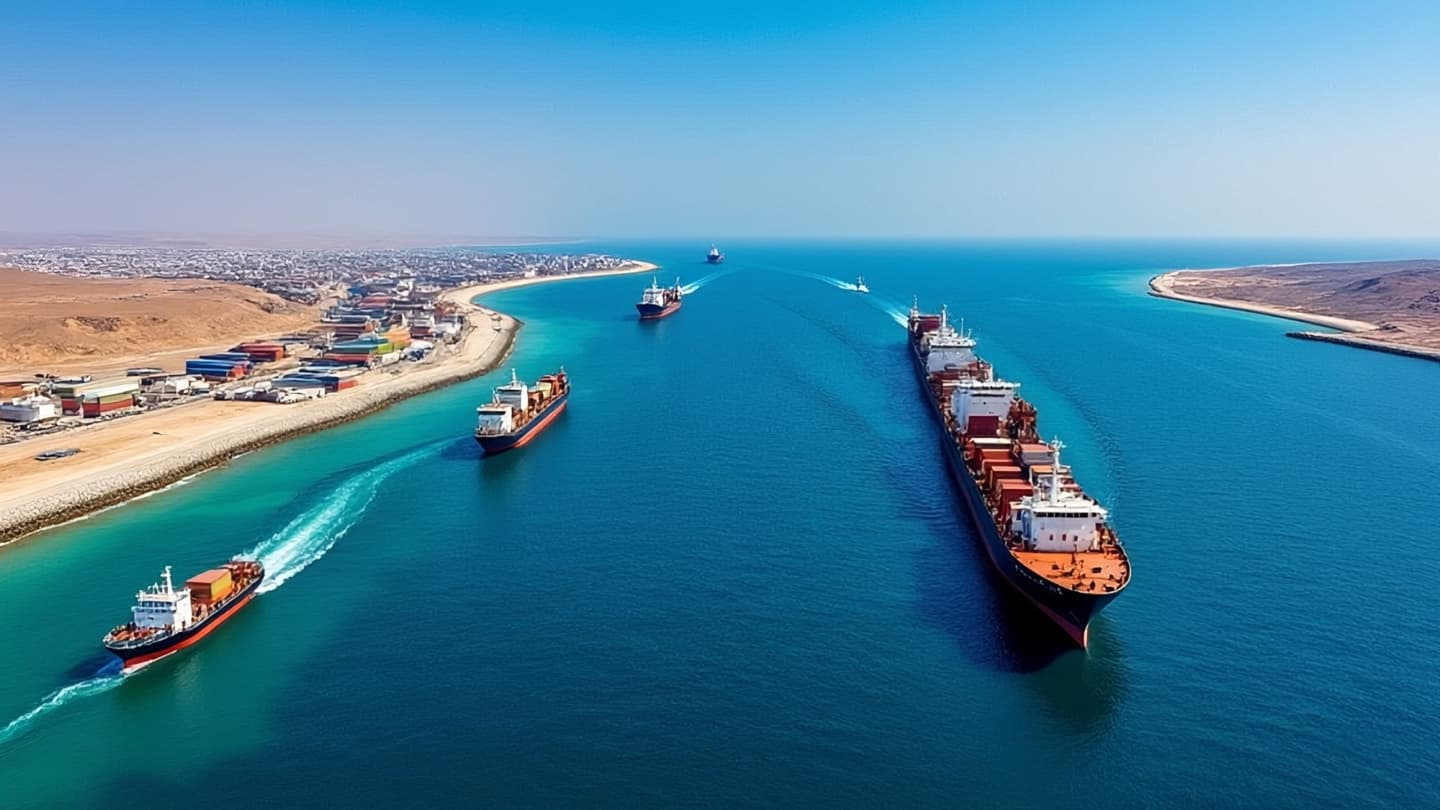
The Strait of Hormuz, a narrow passage that connects the Persian Gulf to the Arabian Sea, is one of the most vital maritime chokepoints in the world. Approximately 20% of the global oil supply transits through this corridor, making its security and management a focal point of international relations. Recent comments from Mojtaba Khamenei, a prominent Iranian figure, have reignited discussions about the role of the United States in the region and the potential for regional actors to take charge of their own security.
Khamenei's assertion that the U.S. should withdraw from the Gulf region reflects a broader narrative of sovereignty that resonates within Iran. This perspective is rooted in a long-standing belief that foreign military presence undermines regional stability and autonomy. The implications of such statements are significant, as they not only challenge U.S. influence but also signal a desire for greater control over the Strait of Hormuz by Iran and its allies.
The U.S. has maintained a military presence in the Gulf for decades, primarily to ensure freedom of navigation and protect vital trade routes. This presence has often been met with resistance from Iran, leading to heightened tensions and occasional confrontations at sea. The U.S. argues that its role is essential for maintaining global economic stability, particularly given the strategic importance of oil shipments that pass through the Strait.
Regional dynamics are complex, with Gulf states navigating a landscape of both cooperation and competition. Some nations have strengthened their ties with the U.S., viewing American support as crucial for their security. Others, however, advocate for regional solutions to shared challenges, emphasizing the need for collective management of the Strait of Hormuz. This divergence in approach highlights the intricate balance of power in the Middle East, where alliances can shift rapidly based on geopolitical developments.
International observers emphasize the importance of maintaining open and secure shipping lanes in the Strait of Hormuz. Any disruption in this vital corridor could have far-reaching consequences, not only for energy markets but also for global economic stability. The interconnected nature of today's economies means that instability in one region can trigger ripple effects worldwide.
As discussions about control and responsibility in the Strait of Hormuz continue, they raise fundamental questions about governance and security in the Middle East. The evolving balance of power, influenced by both internal and external factors, will shape the future of this critical maritime route. In a region where every statement carries weight, the implications of Khamenei's remarks extend far beyond immediate political discourse, inviting deeper reflection on what stability truly requires in a complex and often volatile landscape.
Published by Banx Network. This article is part of the Banx decentralized media programme, powered by the BXE token on the XRP Ledger.



