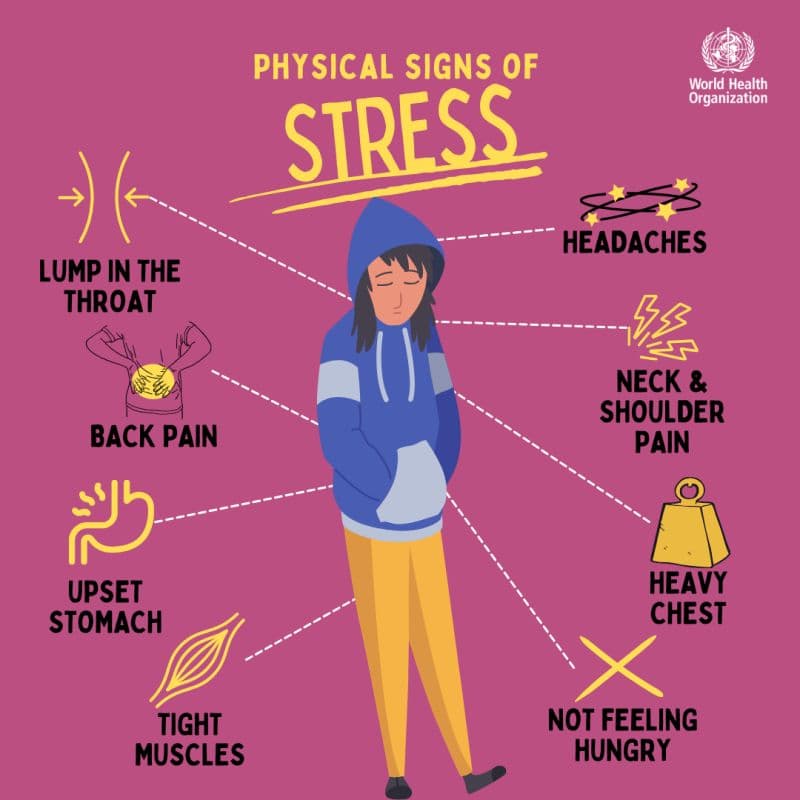
Health experts are encouraging individuals to recognize the physical symptoms of stress before they develop into more serious medical conditions. Public awareness campaigns supported by the World Health Organization emphasize that stress affects not only mental well-being but also multiple systems throughout the body. While occasional stress is a normal response to challenges, prolonged or chronic stress can contribute to headaches, muscle tension, neck and back pain, digestive problems, disrupted sleep, fatigue, reduced concentration, and changes in appetite. These symptoms may develop gradually, making them easy to overlook until they begin interfering with daily life. Stress triggers the release of hormones such as cortisol and adrenaline, preparing the body for short-term challenges. However, when these hormones remain elevated for extended periods, they can influence cardiovascular health, immune function, metabolism, and emotional well-being. Experts recommend identifying common stressors and adopting healthy coping strategies before symptoms worsen. Regular physical activity, consistent sleep schedules, balanced nutrition, mindfulness practices, social support, and time management can help reduce chronic stress while improving overall resilience. Employers are also increasingly recognizing the importance of workplace wellness. Flexible schedules, mental health resources, and supportive organizational cultures can reduce burnout while improving employee productivity and job satisfaction. Technology offers both opportunities and challenges. Digital health applications, meditation platforms, and wearable devices may help individuals monitor stress levels, but excessive screen time and constant connectivity can also contribute to emotional fatigue if left unmanaged. Healthcare professionals advise seeking medical evaluation if physical symptoms persist, become severe, or significantly disrupt normal activities. Early intervention may help prevent more serious complications and improve long-term health outcomes. Recognizing stress as both a mental and physical health issue encourages a more comprehensive approach to well-being, emphasizing prevention alongside treatment.
Published by Banx Network. This article is part of the Banx decentralized media programme, powered by the BXE token on the XRP Ledger.