

Key Highlights
- U.S. Pressure: White House advisor states the world awaits U.S. leadership in crypto regulation.
- Global Impact:U.S. decisions on digital assets will influence international regulatory frameworks.
- Industry Concerns:Crypto firms criticize the lack of clear guidelines, pushing for legislative action.
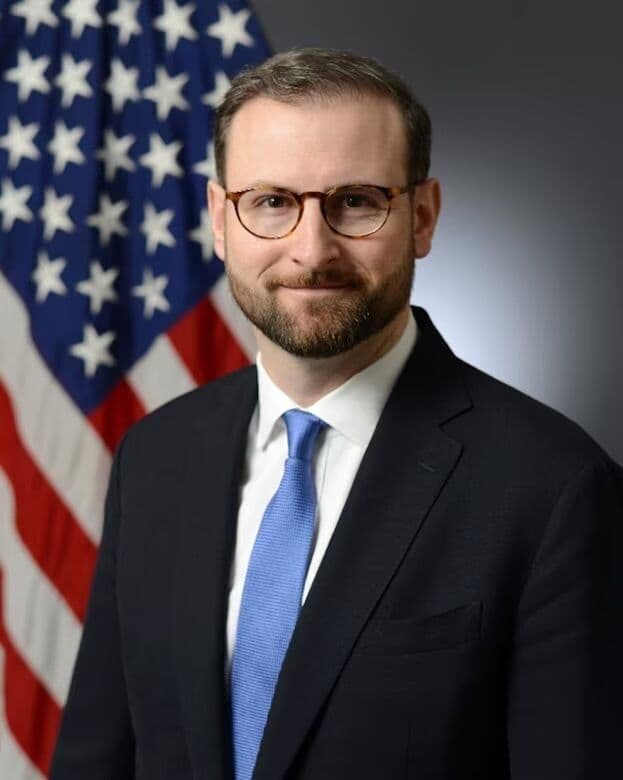
The global race to regulate cryptocurrency is entering a pivotal phase as a White House crypto advisor recently declared that "the entire world is waiting for the U.S. to lead the way on regulatory treatment of digital assets." This statement has resonated throughout financial and crypto media, highlighting the increasing recognition that decisions made in Washington could significantly shape the future of the global digital economy.
As governments, banks, technology firms, and institutional investors increasingly embrace blockchain technology, the United States faces mounting pressure to establish a clear regulatory framework. This framework must balance innovation, market stability, consumer protection, and geopolitical competitiveness. The timing of the advisor's remarks is particularly significant, given the rapid evolution of the cryptocurrency industry, which has moved beyond its early reputation as a speculative internet experiment.
Today, digital assets are central to discussions about payments, tokenized finance, stablecoins, artificial intelligence, global settlements, decentralized infrastructure, and the future architecture of the internet. However, despite this growth, regulatory uncertainty continues to loom over the market, creating challenges for crypto companies operating in the U.S. Many firms argue that the lack of clear guidelines and aggressive enforcement actions have fostered an unpredictable business environment, discouraging innovation and prompting companies to relocate offshore.
The urgency for lawmakers to act is palpable. The White House advisor's comments underscore a broader reality recognized in global financial circles: the regulatory framework adopted by the United States will likely set a precedent for other countries. Given the U.S. dollar's dominance in global finance and the influence of American capital markets, U.S. crypto policy decisions carry significant international implications. Countries, corporations, investors, and central banks are closely monitoring the U.S. approach to digital asset regulation as they finalize their own long-term strategies.
This moment also coincides with a period of rapid global financial transformation. Governments and institutions worldwide are exploring tokenized assets, central bank digital currencies (CBDCs), blockchain settlement systems, real-time payment infrastructure, and stablecoin integration. Major central banks, including the Federal Reserve, European Central Bank, Bank of England, and Bank of Japan, are engaged in critical policy discussions related to digital finance modernization and future monetary systems.
Moreover, upcoming global events such as G7 summits, G20 finance meetings, and NATO discussions are expected to include conversations about financial technology, digital currencies, cybersecurity, and economic infrastructure modernization. The crypto industry views this as a turning point, with supporters arguing that blockchain technology could enhance financial efficiency, reduce settlement friction, increase transparency, and broaden access to digital financial services.
However, critics continue to voice concerns regarding volatility, fraud, cybersecurity risks, money laundering, consumer protection, and financial stability. Regulators worldwide remain cautious about allowing rapid adoption without stronger safeguards and oversight mechanisms.
In the United States, the political battle surrounding crypto regulation has intensified. Congress is actively debating stablecoin legislation, decentralized finance oversight, exchange compliance requirements, taxation rules, and market structure reforms. Industry groups are lobbying for clearer regulations, while enforcement agencies pursue cases against firms accused of violating securities or financial laws. Despite the uncertainty, institutional interest in digital assets continues to grow, indicating a complex and evolving landscape for cryptocurrency regulation.
Published by Banx Network. This article is part of the Banx decentralized media programme, powered by the BXE token on the XRP Ledger.




