Key Highlights
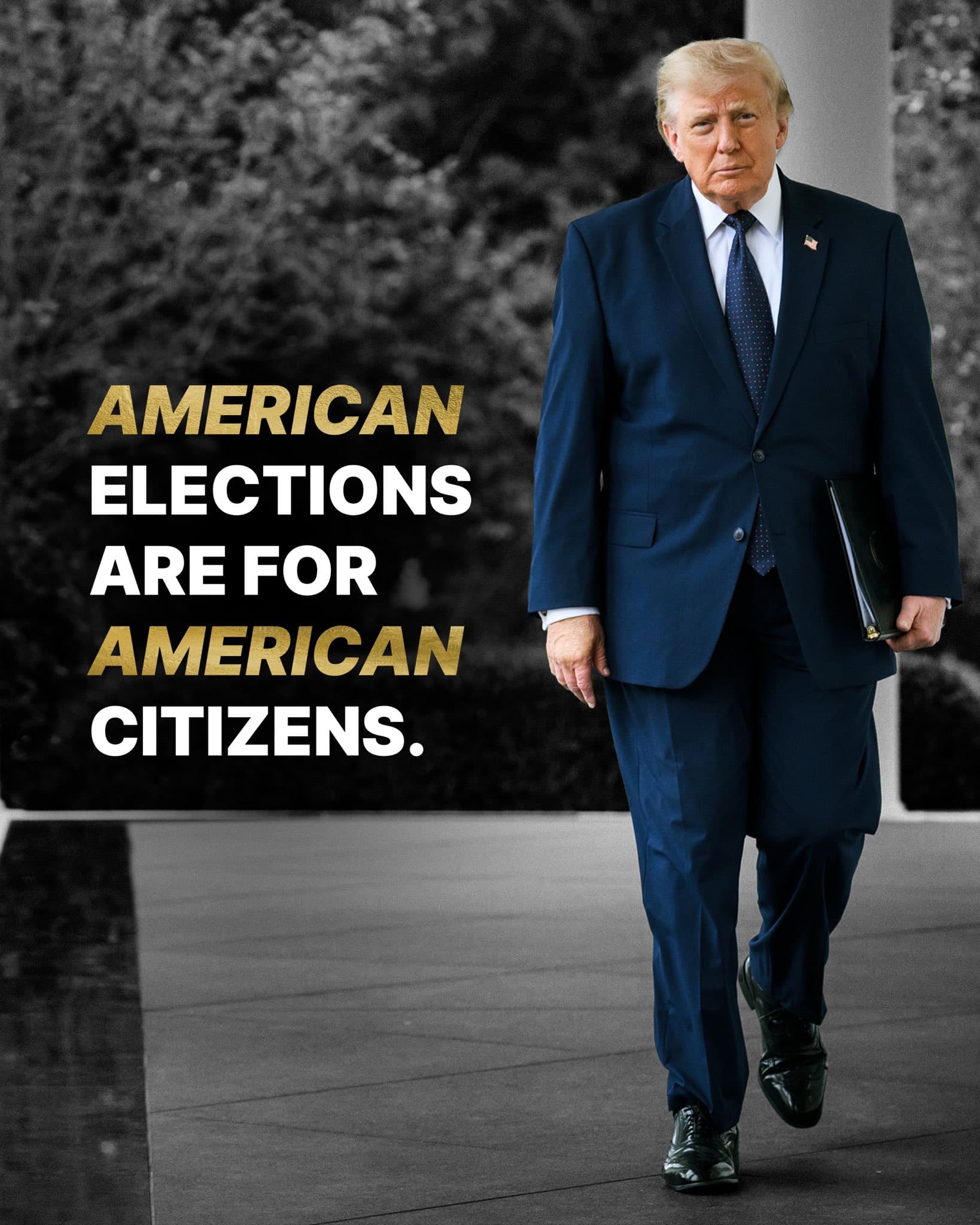
- White House Statement:The administration emphasizes that U.S. elections are for American citizens.
- Election Security:Ongoing efforts to enhance cybersecurity and monitor foreign interference.
- Public Confidence:Debate continues over balancing security measures with voter accessibility.
The White House recently issued a statement reaffirming that American elections are fundamentally for American citizens, a declaration that underscores the administration's commitment to election integrity and national sovereignty. The phrase "Full stop" was notably included, signaling a firm stance against any foreign interference in the electoral process. This statement comes at a time when election security remains a pivotal issue in U.S. politics, with the administration focusing on policies designed to protect the electoral process.
In recent years, the U.S. government has taken significant steps to bolster election security. Agencies have enhanced cybersecurity measures, improved collaboration with state election officials, and increased vigilance against potential foreign interference. This includes monitoring voting infrastructure and public opinion, particularly in the context of online campaigns that could sway voter sentiment. The administration's proactive approach aims to safeguard the integrity of elections and ensure that the democratic process remains free from external manipulation.
Supporters of stricter election security measures argue that maintaining public confidence in the electoral process necessitates robust protections against fraud, illegal voting, and foreign influence. They contend that clear enforcement of election laws is essential for preserving democratic legitimacy and fostering voter trust. This perspective has gained traction in light of past incidents where foreign entities attempted to disrupt the electoral process, raising alarms about the vulnerability of U.S. elections.
Conversely, critics of stringent election reforms caution that security measures must not come at the expense of accessibility. They argue that eligible citizens should be able to vote without facing unnecessary barriers. Ongoing debates focus on various aspects of election administration, including voter identification requirements, mail-in voting, and the appropriate balance of authority between federal and state governments. These discussions are crucial as they shape the future of voting in the United States.
The White House's recent statement reflects a broader narrative surrounding national sovereignty and the integrity of elections. As the nation approaches future elections, the dialogue surrounding voting security, technological advancements, and public confidence is expected to remain at the forefront of American political discourse. The administration's commitment to ensuring that elections are conducted fairly and securely will likely continue to influence policy decisions and public sentiment in the months ahead.
Published by Banx Network. This article is part of the Banx decentralized media programme, powered by the BXE token on the XRP Ledger.