

Key Highlights
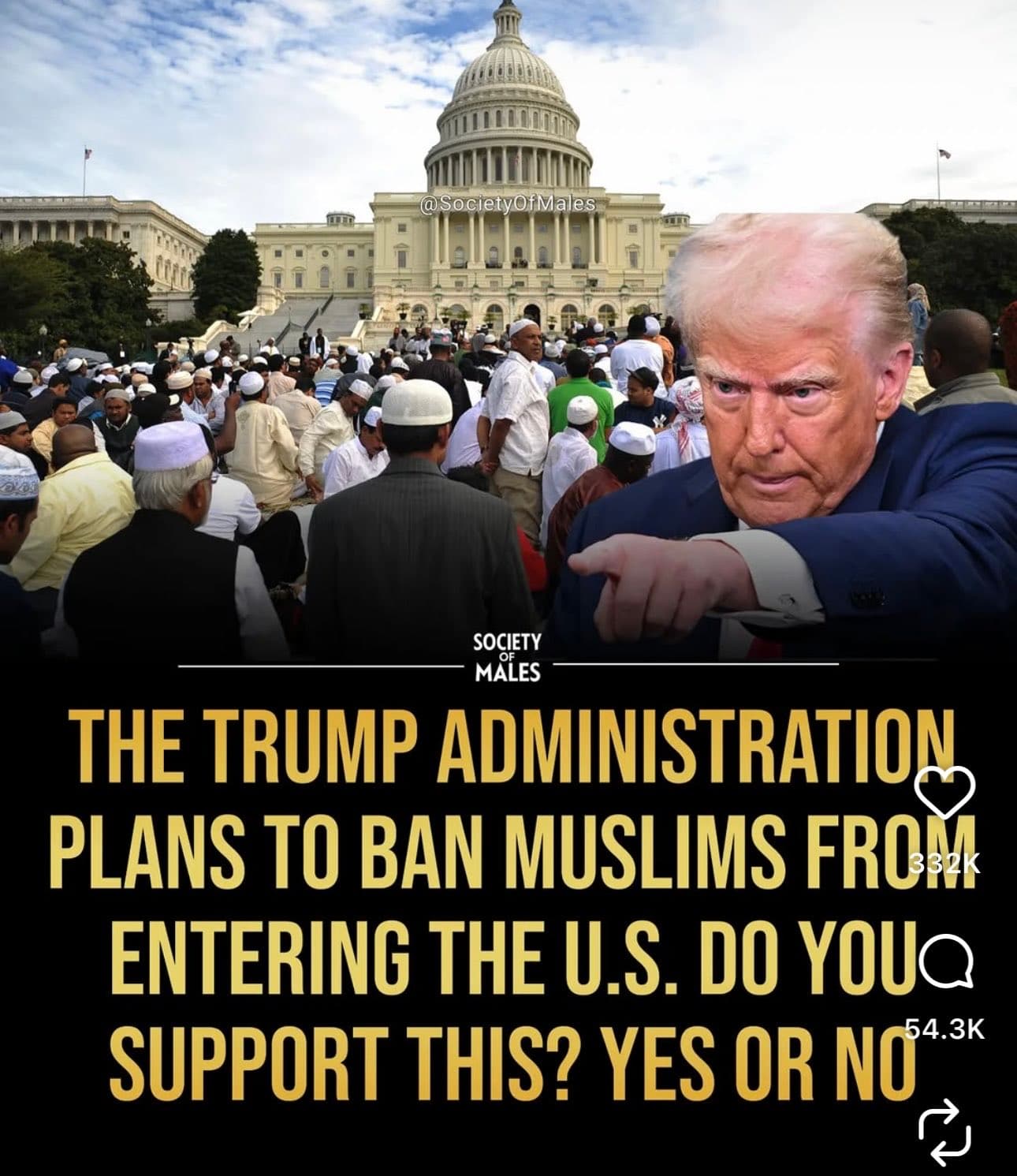
- Proposal:The Trump administration is reportedly crafting a plan to ban Muslims from entering the U.S.
- Public Reaction:The proposal has sparked immediate backlash from human rights organizations and political leaders.
- Legal Implications:Experts predict significant legal challenges against the proposed ban.
The Trump administration's potential plan to bar Muslims from entering the United States has ignited a firestorm of political and ethical debate. Framed by the administration as a necessary security measure, the proposal has faced immediate and fierce condemnation from a diverse coalition of critics. Many view it as a blatant act of religious discrimination that violates the foundational American principles of freedom and equality.
The core question surrounding this proposal has polarized public discourse: "Do you support this? YES OR NO." This binary framing reduces a complex issue of national security and religious freedom to a simplistic choice. Proponents of the ban argue that it is a decisive action aimed at protecting the homeland from potential threats, citing the ongoing global landscape of terrorism. They contend that such measures are necessary to ensure national safety, despite the controversy surrounding them.
Conversely, human rights organizations, religious leaders, and political opponents have vehemently decried the proposal as unconstitutional and morally reprehensible. Critics argue that the ban would collectively punish an entire global faith community of over 1.8 billion people, fundamentally contradicting the American value of religious freedom enshrined in the First Amendment. Legal experts anticipate immediate and protracted court battles, asserting that a religion-based ban would likely not withstand constitutional scrutiny.
The implications of this proposed policy extend beyond domestic concerns, as it risks alienating Muslim-majority nations that are critical allies of the United States. Such a ban could damage America's global standing as a beacon of liberty and exacerbate cultural divisions both at home and abroad. The controversy surrounding the proposal forces a stark national introspection, pitting fears over security against the nation's core identity as a nation of immigrants built on principles of religious tolerance.
As the debate continues, the Trump administration faces mounting pressure from various sectors of society to reconsider the implications of such a policy. The outcome of this proposal could have lasting effects on U.S. immigration policy and the nation's relationship with the global Muslim community, making it a pivotal moment in American political history.
Published by Banx Network. This article is part of the Banx decentralized media programme, powered by the BXE token on the XRP Ledger.




