The city of Port-au-Prince holds a complex, layered history, where the vibrancy of daily life often exists in a delicate tension with the volatility of its surroundings. To observe the capital is to witness a place defined by its resilience, yet frequently marked by the abrupt and jarring intrusion of armed violence. When the rhythm of the streets is shattered, the impact resonates far beyond the immediate site of the incident, rippling through the consciousness of a population that has learned to navigate existence amidst profound uncertainty.
There is a somber atmosphere that settles over a neighborhood following such an event—a heavy stillness that replaces the usual cacophony of commerce and human interaction. In these moments, the physical landscape of the city, with its dense sprawl and historical architecture, seems to reflect the internal struggle of its inhabitants. It is a quiet, contemplative observation of how quickly the mundane—the simple act of walking to a market or traveling to work—can be transformed into a site of profound personal tragedy.
The occurrence of armed violence is not merely a matter of security statistics; it is an intimate unfolding of human suffering that defies easy categorization. When individuals are caught in the crossfire of escalating tensions, the collective fabric of the community is tested in ways that are deeply felt yet difficult to articulate. The silence that follows is not a lack of sound, but an accumulation of unspoken grief, a quiet testament to the loss of those who were simply living their lives within the shadow of larger, unresolved conflicts.
Reflecting on these cycles of violence requires an emotional distance, a way to witness the gravity of the situation without succumbing to the overwhelming nature of the despair. It is a process of acknowledging the humanity of those affected, recognizing that every individual story is a thread in a much larger, frayed tapestry. To look at Port-au-Prince today is to see a city in constant negotiation with its own survival, where the pursuit of peace remains a persistent, albeit elusive, aspiration for its citizens.
The response from official channels often speaks in the language of stability, control, and the implementation of security measures, yet the lived experience remains far more nuanced. As authorities attempt to address the root causes of the instability, the focus for many remains on the day-to-day navigation of a precarious reality. It is a testament to the endurance of the human spirit that, even in the face of such persistent turmoil, the daily life of the city continues to assert itself, albeit with a cautious and wary cadence.
In this context, the role of observation becomes one of witness. It is not about casting judgment on the complexities of the political or social landscape, but about honoring the reality of the experience. The streets, the buildings, and the people of Port-au-Prince carry the weight of these repeated challenges, yet they persist. There is a profound, quiet dignity in the way the city tries to move forward, even as the echoes of the most recent incidents linger in the air.
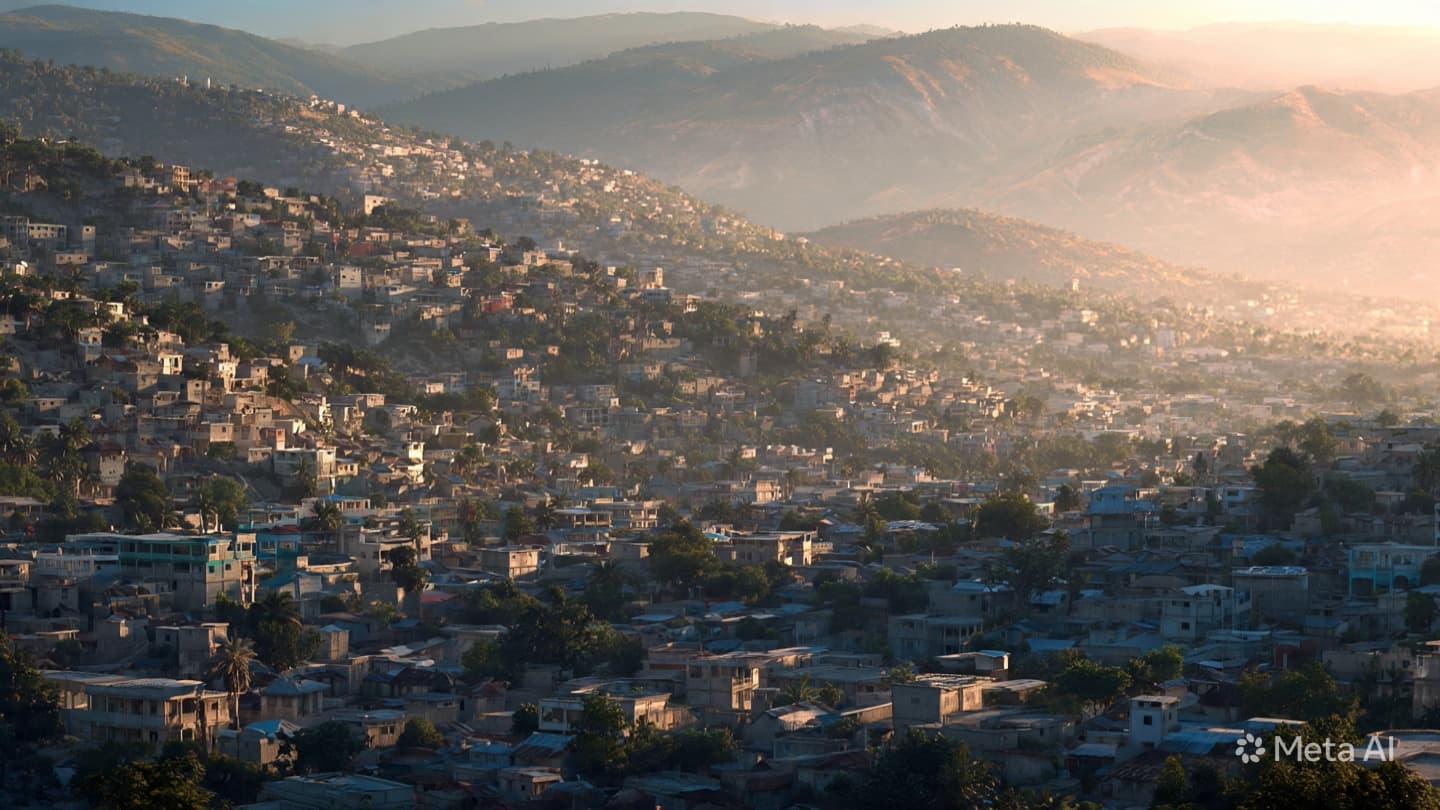
Ultimately, these moments of tragedy serve as a sobering reminder of the fragility of the peace we often take for granted. As the sun sets over the capital, the silhouettes of the hills and the density of the urban landscape stand as silent witnesses to the passage of time and the trials of those who call this city home. It is an environment of immense pressure, yet one that continues to hold the hope for a future defined by something other than the next shadow of violence.
The National Police of Haiti have initiated investigations following reports of armed clashes that resulted in civilian casualties within parts of the capital. Authorities confirmed that multiple individuals lost their lives during the confrontations, though specifics regarding the exact sequence of events remain under assessment. Security forces are currently working to secure the affected zones as humanitarian concerns continue to be evaluated by local and international observers.
Published by Banx Network. This article is part of the Banx decentralized media programme, powered by the BXE token on the XRP Ledger.