
Key Highlights
- Recent armed clashes in Port-au-Prince have resulted in civilian casualties.
- The National Police of Haiti are investigating the incidents and securing affected areas.
- Local and international observers are assessing humanitarian concerns.
Port-au-Prince, the capital of Haiti, is a city marked by a complex history and a vibrant culture that often exists in stark contrast to the violence that disrupts daily life. The recent surge in armed clashes has left many residents grappling with the fragility of peace in their neighborhoods. As the echoes of gunfire fade, the impact of these events resonates deeply within the community, highlighting the resilience of its people amid ongoing uncertainty.
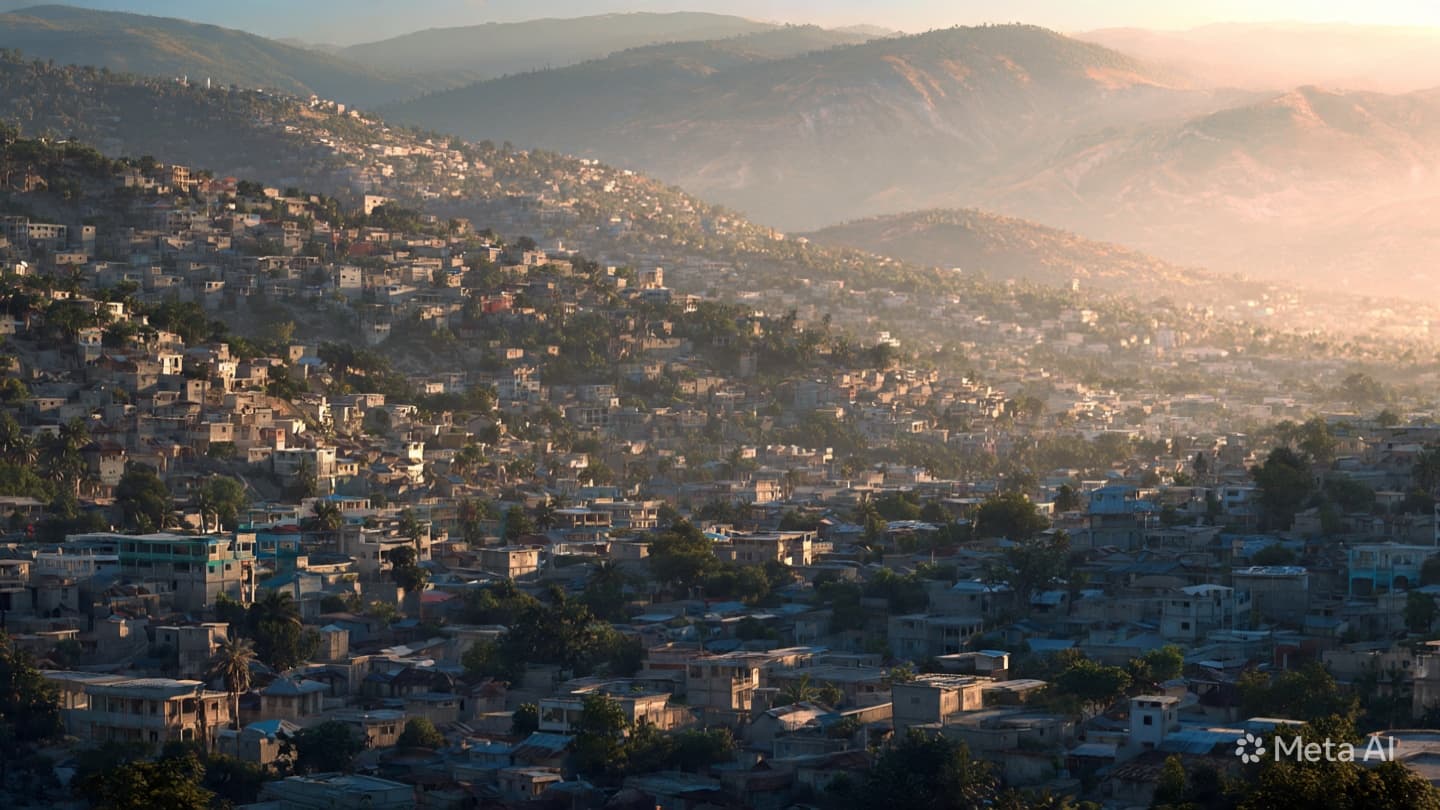
In the aftermath of violence, a heavy silence descends over affected neighborhoods. The usual sounds of commerce and social interaction are replaced by an eerie stillness, a poignant reminder of the lives disrupted by conflict. The physical landscape of Port-au-Prince, characterized by its dense urban sprawl and rich historical architecture, mirrors the internal struggles of its inhabitants. The simple act of walking to the market or commuting to work can quickly transform into a moment of profound tragedy, underscoring the precariousness of everyday life.
The consequences of armed violence extend beyond mere statistics; they represent a deeply personal unfolding of human suffering. Each incident leaves behind a tapestry of grief, woven from the stories of those caught in the crossfire. The silence that follows such events is not merely an absence of sound but a collective mourning for lives lost and futures altered. It serves as a stark reminder of the ongoing conflict that looms over the city, challenging the community's resilience.
Reflecting on the cycles of violence requires a careful balance of emotional distance and empathy. It is essential to acknowledge the humanity of those affected, recognizing that each individual story contributes to a larger narrative of survival and struggle. Port-au-Prince today is a city in constant negotiation with its own existence, where the pursuit of peace remains a distant yet persistent aspiration for its citizens.
Official responses to the violence often emphasize stability and security measures, yet the lived experiences of residents reveal a more nuanced reality. As authorities work to address the root causes of instability, many individuals focus on navigating their daily lives amidst the chaos. The endurance of the human spirit is evident in the way residents continue to assert their presence in the city, moving cautiously through their routines while remaining acutely aware of the dangers that surround them.
In this context, the role of observation becomes crucial. It is not about passing judgment on the complexities of the political or social landscape but rather about honoring the lived experiences of those in Port-au-Prince. The streets, buildings, and people carry the weight of repeated challenges, yet they persist with a quiet dignity. The city’s struggle for peace is palpable, as is the hope that one day, it will be defined by something other than the specter of violence.
As the sun sets over Port-au-Prince, the silhouettes of the hills and the urban landscape stand as silent witnesses to the trials faced by its residents. The environment is fraught with pressure, yet it continues to hold the promise of a future where peace is not just an aspiration but a reality. The National Police of Haiti have initiated investigations into the recent armed clashes, confirming multiple civilian casualties. As security forces work to secure affected areas, humanitarian concerns remain a priority for local and international observers, emphasizing the urgent need for stability in this beleaguered city.
Published by Banx Network. This article is part of the Banx decentralized media programme, powered by the BXE token on the XRP Ledger.



