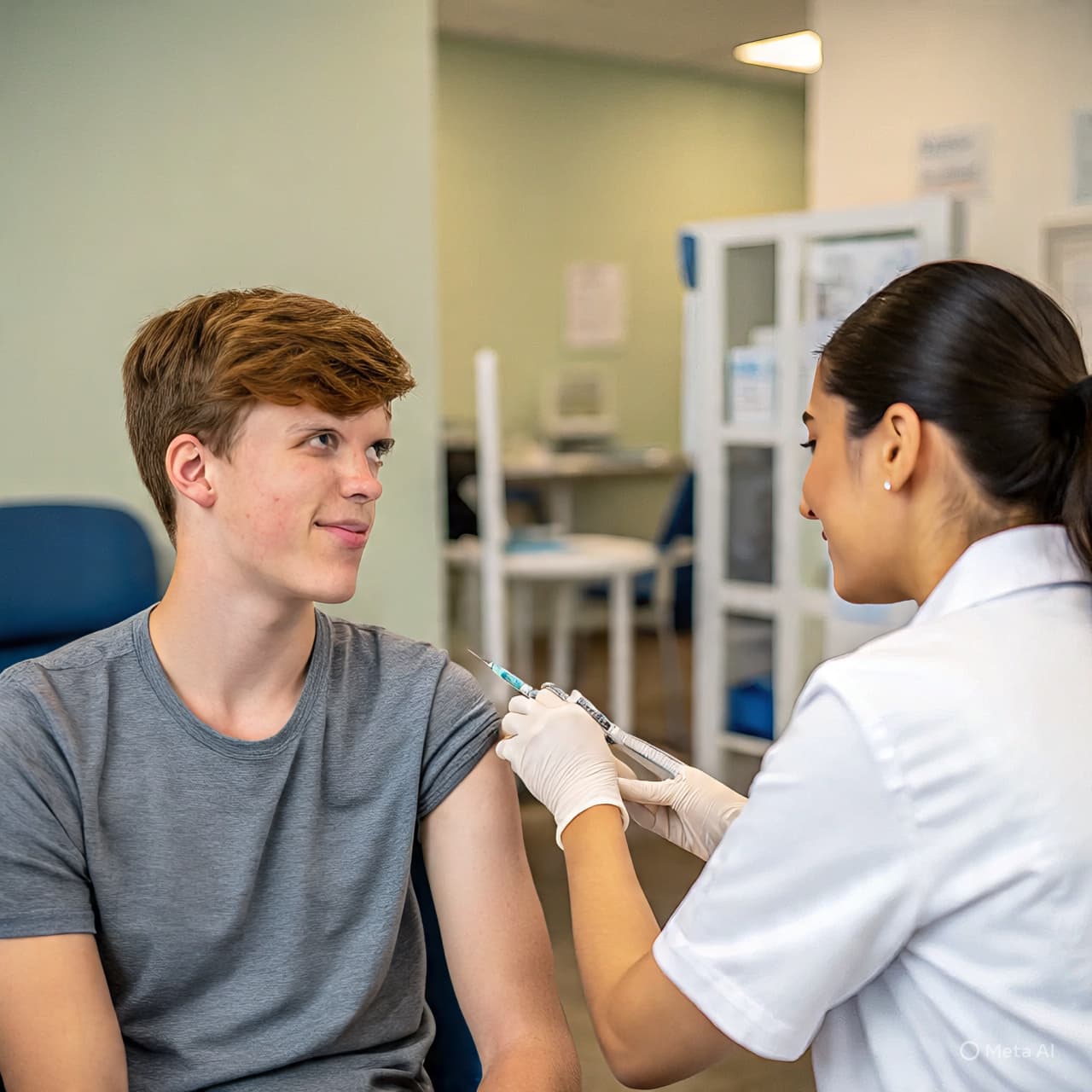
In the soft gray between childhood and adulthood, the body learns its rhythms, and the world opens its doors. For many, the teenage years are a time of imagination and change a period when decisions seem far away from consequence. Yet, in health as in life, the choices we make now can ripple outward like sunlight through water, coloring years yet to unfold.
Cervical cancer a disease rooted in persistent infection with certain types of human papillomavirus (HPV) is not a specter teenagers typically confront. But the path to prevention begins early. The World Health Organization highlights that most cervical cancer cases are linked to high-risk HPV types and that vaccination given in early adolescence, before exposure, can be highly effective in reducing infection rates. The Centers for Disease Control and Prevention also recommends HPV vaccination for preteens, usually around ages 11 or 12, though it can be given as early as 9 and up through age 26 if needed.
This gentle intervention a series of shots rather than a vow supports the immune system in recognizing and clearing infections that might otherwise linger unnoticed. Beyond vaccination, understanding how infections spread and adopting safe sexual practices can further lower risk. While condoms do not provide complete protection against HPV, they are part of a mindful approach to intimacy that values communication and mutual well-being.
Equally important is lifestyle. Choices like avoiding tobacco and nurturing overall health through balanced nutrition and regular activity can strengthen the body’s own defenses against infections. When the mind and body are cared for, they are better equipped to face challenges.
As teens grow into adults, the idea of regular health care even screenings such as Pap smears once sexually active becomes a familiar part of self-care, not something to be feared. These check-ups are not punishments but gentle conversations between a person and their body, helping detect early cell changes before they become more serious.
In the quiet choices of youth, then, lies a powerful promise: that with knowledge, care, and compassion for one’s own health, the risks that once seemed distant can be softened and reduced.
In the gentle unfolding of years, early awareness and preventive steps can help build a future where cervical cancer is increasingly rare and lives are lived with fuller health and hope.
AI Image Disclaimer “Illustrations were produced with AI and serve as conceptual depictions.”
Sources
World Health Organization (WHO) Centers for Disease Control & Prevention (CDC) American Cancer Society RSUD/health clinic NDTV Women’s Health
Published by Banx Network. This article is part of the Banx decentralized media programme, powered by the BXE token on the XRP Ledger.