The sea has always been a place of quiet transition, a boundary where the pulse of the islands meets the infinite reach of the Atlantic. In the fishing villages that dot the coastline of Belize, the boats rest like sleeping creatures, their presence usually synonymous with the stillness of livelihood and the gentle rocking of the tide. Yet, there is a vulnerability inherent in this way of life, a sense that even here, shielded by the vastness of the water and the rhythms of the seasons, the outside world can intrude. When a fisherman goes missing following reports of a pirate attack, it is not merely a tragedy; it is an interruption of the peace that defines the coastal experience.
The act itself—a sudden, sharp escalation of tension—leaves behind an atmosphere of lingering uncertainty. For those who live and work near the docks, the news of such an encounter serves as a reminder that the ocean, while a source of sustenance, can also be a site of profound danger. The vessels, which symbolize both freedom and survival, briefly become the centers of a static, painful inquiry, their histories transformed from sites of daily work into scenes of search and rescue. It is a transformation that speaks to the fragility of the safety we construct for ourselves, even in the most serene surroundings.
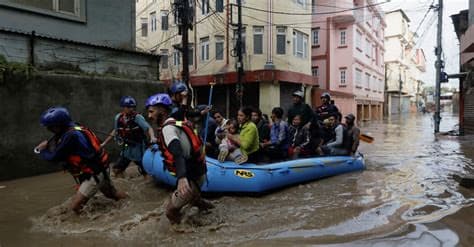
The official response, characterized by a methodical, rhythmic urgency, seeks to impose order upon this chaos. Officers and local volunteers move with a deliberate, searching intent, their presence a contrast to the idle calm that usually permeates the wharf. They look for the threads of intent in the reports, attempting to piece together the moments when the situation on the water shifted from routine to peril. It is a process of gathering fragments, of listening to the silence of the sea, and of searching for the path that leads back to those who have been lost.
As the search moves forward, the focus remains on the identification of any clues and the persistent effort to locate the missing individual. The actions taken by the authorities represent a pivot point, a moment where the anxiety caused by the incident begins to settle into the structured, slow-moving machinery of the search-and-rescue process. Each step of the law is a statement, a necessary assertion that the waters of Belize will not be allowed to become a place where such violations occur without consequence. It is a collective effort to restore the quiet, to ensure that the coastal villages remain places of livelihood rather than sites of recurring fear.
Authorities in Belize are currently conducting an intensive search operation following the disappearance of a fisherman amidst reports of a suspected pirate attack near the coast. The Belize Coast Guard, in coordination with local maritime partners, has deployed search units to sweep the area where the vessel was last reported. Initial investigations suggest that the fisherman may have been targeted by illicit groups operating in the region. The search remains active, and authorities are calling on the maritime community to provide any information that could assist in the recovery effort.
Published by Banx Network. This article is part of the Banx decentralized media programme, powered by the BXE token on the XRP Ledger.